African Mango for Blood Sugar and Metabolism: How Irvingia Works
| What it is | African mango is the seed of Irvingia gabonensis, a West African tree — a traditional food, not the sweet fruit mango. |
| How it works | The seed is rich in soluble fiber, which can slow stomach emptying and support a gentler, steadier release of glucose from a meal. |
| Best known for | Its role in metabolic and weight-management formulas, where fiber and satiety are the throughline. |
| Label check | Look for the species Irvingia gabonensis, the seed, any standardization, and GMP manufacturing. |
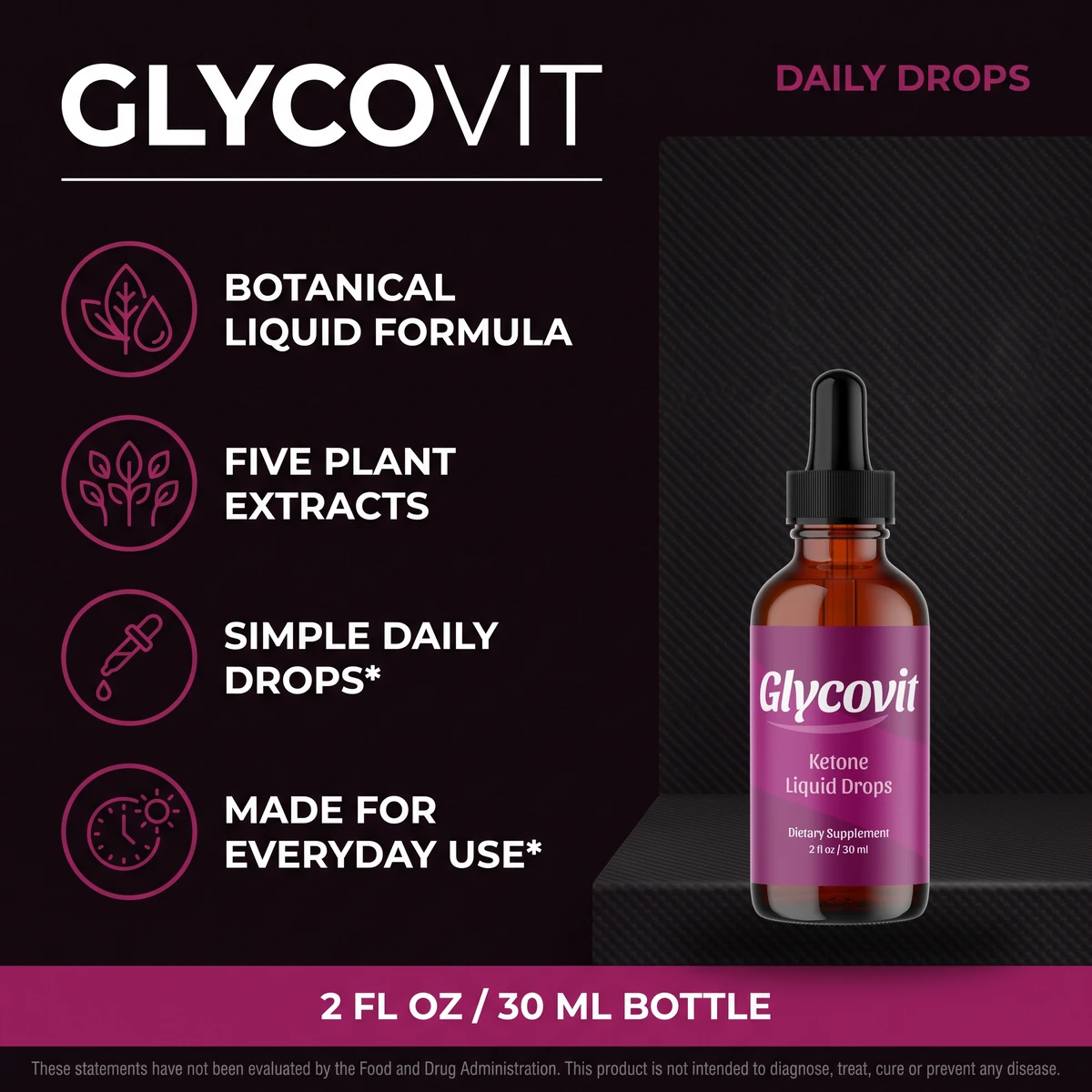
If you have browsed metabolism or weight-management shelves in the last decade, you have almost certainly seen African mango on a label. But the name is doubly misleading: it is not the sweet mango you slice for breakfast, and its story has less to do with exotic fruit than with something far more ordinary and useful — soluble fiber. Understanding African mango for blood sugar and metabolism means understanding what the seed of Irvingia gabonensis actually is, why fiber matters to the way a meal releases glucose, and how to read the ingredient honestly on a label. It is one of the botanicals inside the Glycovit blend, and this guide walks through the science in plain English.
What African mango actually is
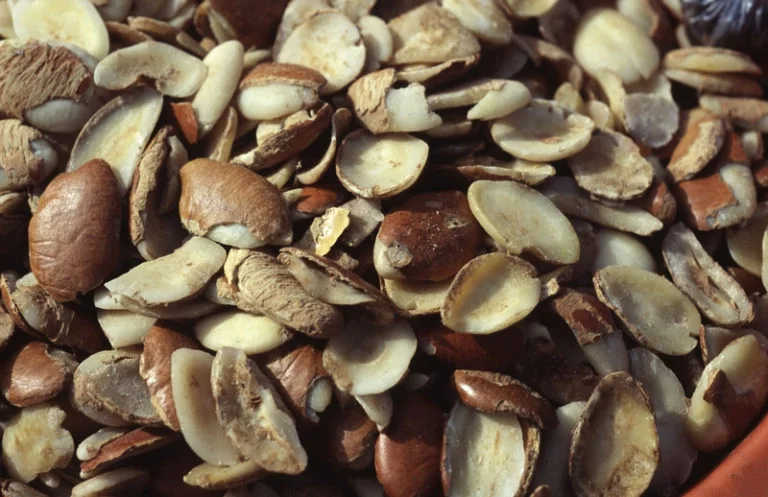
African mango is the seed of Irvingia gabonensis, a tree native to the tropical forests of West and Central Africa. The seed — often called the dika nut — has been used for generations as a food, a thickening agent for soups and stews, and a source of nourishing fat and fiber. That culinary history is the honest anchor for the supplement: it is a traditional food ingredient concentrated into an extract, not a laboratory novelty.
Crucially, Irvingia gabonensis is a completely different species from the common sweet mango (Mangifera indica). The supplement is made from the seed of the African mango tree, not the fleshy fruit of the familiar mango. A quality label names the species precisely and confirms it is the seed extract — the same specificity we look for with every ingredient, whether it is a root, a leaf or a mineral.
How African mango works for blood sugar and metabolism
The most credible and well-understood mechanism for African mango is not exotic at all: it is soluble fiber. Soluble fiber forms a gel-like texture in the digestive tract, and that gel does two useful things. First, it can slow the rate at which the stomach empties, which supports a gentler, more gradual arrival of nutrients into the small intestine. Second, by slowing digestion of a mixed meal, it supports a steadier release of glucose rather than a sharp spike-and-crash. This is the same principle behind why nutritionists recommend fiber-rich whole foods for balanced energy — and it is a mechanism you can lean on regardless of any single ingredient, as we cover in our guide to supporting healthy blood sugar naturally.
African mango has also been studied in the context of broader metabolic markers — the general chemistry of how the body handles fats and sugars — and for its role in satiety, the feeling of fullness that fiber can promote. The compliant, accurate way to describe all of this is that African mango is studied for a supporting role in normal metabolism as part of a healthy diet. It is not a fat-burner, not a blood-sugar treatment, and not a shortcut around good eating habits.
Why fiber is the honest headline
It is worth being candid about the marketing around African mango, which has at times outrun the evidence. Stripped of the hype, the enduring reason it appears in metabolic formulas is its fiber content and the physiology of a slower meal. Fiber is one of the least glamorous and most reliable tools in nutrition: it supports fullness, feeds a healthy gut, and blunts the sharpness of the post-meal glucose curve. Framing African mango as “a concentrated fiber-rich seed extract” is both more accurate and more useful than any dramatic claim.
This is also why African mango pairs naturally with other fiber-and-polyphenol ingredients rather than standing alone. In a blend, it sits alongside actives that work through different routes — for instance the sweet-taste story of gymnema sylvestre for sugar cravings or the antioxidant proanthocyanidins in grape seed extract — so several complementary mechanisms contribute a little each.
Dosing context: seed, extract and blend
As with most botanicals, the honest answer to “how much?” depends entirely on the format:
- Whole ground seed. As a food, the dika nut is used in gram quantities, the way any fiber-rich food would be.
- Concentrated extract. Standardized African mango seed extracts are used at much smaller amounts, and the extract ratio or standardization tells you how concentrated it is.
- Blended formula. In a multi-ingredient product like Glycovit, African mango contributes a modest, complementary share alongside other botanicals rather than a stand-alone dose.
Because African mango works largely through fiber, the sensible expectation is a gentle, supportive contribution — and, as with any fiber source, drinking enough water alongside it is simply good practice. More is not automatically better; consistency over time is what makes a supportive ingredient worthwhile.
What to look for on an African mango label
A short checklist keeps you honest when reading the panel:
- The exact species. “Irvingia gabonensis” spelled out tells you it is genuine African mango, not the common fruit mango.
- The plant part. It should say seed (or seed extract) — the seed is the part that matters.
- Standardization or extract ratio. This anchors how concentrated the extract is and keeps servings consistent.
- Manufacturing signals. GMP certification, a registered facility and third-party testing point to real quality control.
The same logic applies to every active in a blend. Our guide to chromium for blood sugar walks through the identical checklist for a trace mineral, so you can see how the approach carries across very different ingredients.
What the human trials on Irvingia gabonensis actually measured
African mango is one of the few botanicals on this label with controlled human data behind it, and the honest summary is that the picture is mixed. A 2020 systematic review and meta-analysis in the Journal of the American College of Nutrition pooled the controlled trials of Irvingia gabonensis seed extract on anthropometric and cardiovascular outcomes and reported reductions in body weight and waist circumference — while stating plainly that the underlying studies were small and uneven in quality.
That caveat is the substance, not a footnote. A systematic review of randomised controlled trials in the Journal of Dietary Supplements reached the same verdict back in 2013: the evidence for Irvingia gabonensis supplementation in the management of overweight and obesity was suggestive but too limited in size and methodological rigour to justify firm recommendations.
Newer work has widened the lens past weight alone. A 2022 study in Nutrients examined the effects of Irvingia gabonensis extract on metabolism, antioxidants, adipocytokines, telomere length and aerobic capacity in overweight and obese individuals, a broader panel than the early trials used. None of it tells you what a share of a 200 mg proprietary blend will do, because no trial has ever tested one.
A fiber-rich seed, folded into a daily drop
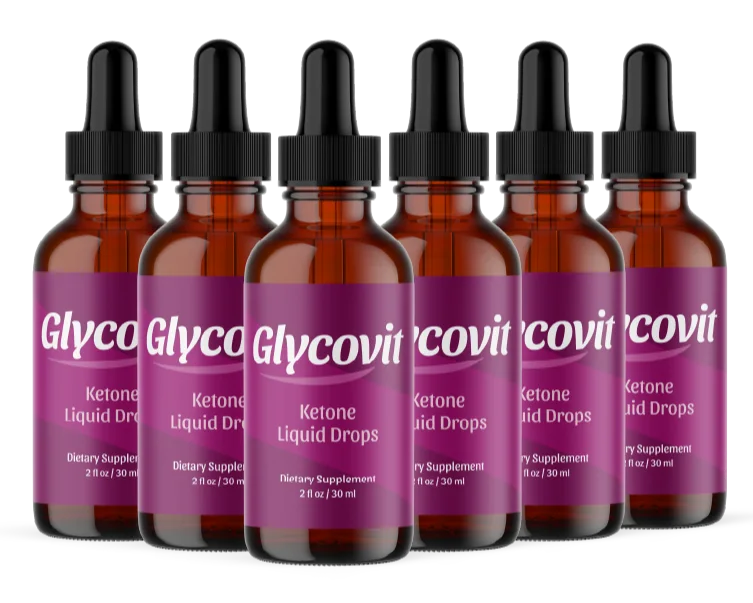
Glycovit™ brings African mango together with green tea, grape seed, astragalus, chromium and more in a single once-daily liquid — a simple way to keep a sensible everyday amount consistent. Backed by a 60-day money-back guarantee.
Order Glycovit TodayWhere African mango fits in the bigger picture
African mango is a helpful example of a broader truth: the most reliable metabolic tools are often the least exciting. Fiber, whether from vegetables, whole grains, legumes or a concentrated seed extract, supports fullness and a steadier post-meal glucose curve — and no single supplement replaces the value of a genuinely fiber-rich plate. The largest levers over your day-to-day glucose rhythm remain your food, your movement, your sleep and your stress.
Treated sensibly, African mango is a convenient way to add a little supportive fiber and metabolic backing to a routine you are already building on good habits. That is exactly why it belongs in a blend rather than on a pedestal: a modest, complementary role alongside other well-chosen ingredients.
Who should be cautious
African mango seed extract is generally well tolerated as a food-derived ingredient, but a few groups should take extra care. Because fiber can affect digestion and the absorption of some medicines, anyone taking medication — especially anything that affects blood sugar — should speak with a clinician first and separate the timing if advised. Anyone who is pregnant or nursing, anyone under 18, and anyone managing a diagnosed condition should also consult their physician before use. As with any fiber, introduce it gradually and drink plenty of water.
Steadier meals, one simple habit
Glycovit™ folds African mango into a botanical blend you take once a day — no measuring, just a steady daily drop. Protected by a 60-day money-back guarantee.
See Glycovit PackagesBefore you make African mango part of a daily routine
African mango is a food-derived seed extract, not a medicine, and it is not a treatment for diabetes or prediabetes. If you take glucose-lowering medication, do not stop it, reduce it or move its timing because you have added a botanical. Tell the prescriber first and let them decide what, if anything, needs watching. The fibre in Irvingia can also slow how quickly other things leave the stomach, which is a reason to mention it rather than a reason to keep quiet.
If you are weighing this extract against the other metabolic botanicals that turn up in the same blends, our guides to raspberry ketones for metabolism and blood sugar and guarana for blood sugar and energy apply the same evidence test to each of them, capsicum and cayenne for blood sugar and metabolism covers the thermogenic ingredient that sits beside it on most panels, and the supplement label guide shows how to check what a bottle really contains before you pay for it. The full ingredient panel for the product this site covers is set out on the Glycovit Official Site page.
Frequently asked questions
How does African mango work for blood sugar and metabolism?
African mango seed extract (Irvingia gabonensis) is a rich source of soluble fiber. Soluble fiber can slow the rate at which the stomach empties and support a gentler, steadier release of glucose from a meal. It is studied for a supporting role in normal metabolism and is not a treatment for any condition.
What is Irvingia gabonensis?
Irvingia gabonensis is a West and Central African tree whose seed, sometimes called the dika nut, has long been used as a food and thickener. The seed extract used in supplements is prized for its soluble fiber and is often labelled simply as African mango seed extract.
Is African mango the same as regular mango?
No. Despite the name, African mango (Irvingia gabonensis) is a different species from the common sweet mango you eat as fruit. The supplement is made from the seed of the African mango tree, not the fleshy fruit of the familiar mango.
How much African mango seed extract do people take?
Amounts vary widely by product, and standardized extracts are used at much smaller amounts than whole ground seed. In a blended formula, African mango contributes a modest share alongside other botanicals. Follow the label and speak with a clinician if you take medication.
Does African mango have side effects?
As a fiber-rich seed extract, the most common considerations are digestive, such as mild bloating or gas when introduced too quickly. Introduce it gradually, drink enough water, and separate the timing from medications if your clinician advises. Speak with a physician if you have questions.
Is African mango a substitute for medical care?
No. This article is general information only. If you are pregnant, nursing, under 18, taking medication or managing a diagnosed condition, speak with your physician before adding African mango or any supplement.
References
- The Effects of Irvingia gabonensis Seed Extract Supplementation on Anthropometric and Cardiovascular Outcomes: A Systematic Review and Meta-Analysis. J Am Coll Nutr, 2020. PMID 31855111.
- The efficacy of Irvingia gabonensis supplementation in the management of overweight and obesity: a systematic review of randomized controlled trials. J Diet Suppl, 2013. PMID 23419021.
- Effects of Irvingia gabonensis Extract on Metabolism, Antioxidants, Adipocytokines, Telomere Length, and Aerobic Capacity in Overweight/Obese Individuals. Nutrients, 2022. PMID 36364907.
- National Center for Complementary and Integrative Health (NCCIH). “Dietary and Herbal Supplements.” National Institutes of Health.
- Harvard T.H. Chan School of Public Health, The Nutrition Source. “Fiber” and “Carbohydrates and Blood Sugar.”
- Office of Dietary Supplements, National Institutes of Health. “Botanical Dietary Supplements: Background Information.”
- U.S. Department of Agriculture. “Dietary Guidelines for Americans” — Fiber and whole foods.
- U.S. Food & Drug Administration. “Dietary Supplement Labeling Guide.”
- Diabetes and Dietary Supplements: What the Science Says. National Center for Complementary and Integrative Health, National Institutes of Health.
- Preventing Type 2 Diabetes. National Institute of Diabetes and Digestive and Kidney Diseases, National Institutes of Health.
Every PubMed identifier above was re-checked against the NCBI record on 3 September 2026; each linked title is the paper the citation names.
† These statements have not been evaluated by the Food and Drug Administration. This product is not intended to diagnose, treat, cure or prevent any disease. This article is for general information only and is not medical advice. Statements about ingredients describe their traditional or general use. Individual results vary.
Affiliate disclosure: this is an independent guide, not the manufacturer or the seller. Some links on this page go to a retailer that pays us a commission if you buy, at no extra cost to you. It never changes the price you pay or what we write here.