Gymnema Sylvestre for Sugar Cravings: How the “Sugar Destroyer” Works
| What it is | A climbing plant whose leaf is nicknamed the “sugar destroyer” in traditional wellness. |
| How it works | Gymnemic acids can temporarily blunt sweet taste on the tongue, dulling the appeal of sugar. |
| Why people use it | As a supportive habit for managing sugar cravings and everyday healthy metabolism. |
| Label check | Leaf, a % of gymnemic acids, amount per serving, GMP manufacturing. |
Of all the blood-sugar botanicals, gymnema sylvestre has the most memorable nickname: the “sugar destroyer.” It earned that name honestly. Chew a gymnema leaf and, for a little while afterward, sweet things taste strangely flat — a spoonful of sugar can register as little more than sand. That party-trick effect points to a genuinely interesting mechanism, and it is why gymnema has become a favourite ingredient for anyone looking to get a handle on sugar cravings. This guide explains what gymnema sylvestre is, how its gymnemic acids work on the sense of taste, how it has been used traditionally, how it is dosed, and what to look for on a label. As always, the honest frame is that gymnema is a supportive wellness habit — not a treatment or cure for anything.
What gymnema sylvestre is
Gymnema sylvestre is a woody climbing plant native to the tropical forests of India, Africa and Australia. It is the leaf that matters: for centuries, gymnema leaf has held a respected place in traditional Ayurvedic wellness, where its Hindi name, gurmar, translates roughly as “sugar destroyer.” That traditional reputation — built around sweet taste and healthy metabolism — is exactly what modern formulators are nodding to when they include a standardized gymnema leaf extract in a blood-sugar formula.
Today you will find gymnema as capsules, powders, teas and liquids. The most useful products are standardized to a percentage of the leaf’s active compounds, which brings us to the heart of the story.
How the “sugar destroyer” works: gymnemic acids and sweet taste
The active compounds in gymnema leaf are a group called gymnemic acids. Their most striking, best-documented effect is on the sense of taste. Gymnemic acids are thought to interact with the sweet-taste receptors on your tongue, temporarily occupying them so that, for a period afterward, sweet foods taste much less sweet. It is a direct, physical explanation for the “sugar destroyer” nickname — and it is one of the few botanical effects you can actually feel within minutes.
Why does that matter for cravings? A great deal of our pull toward sweet foods is about reward: the hit of sweetness is what makes dessert feel worth it. If that sweetness is dialled down, the reward is dialled down too, and a sweet food becomes easier to leave on the plate. Many people use gymnema for exactly this reason — as a small, deliberate nudge that makes the sweet stuff feel less tempting in the moment. Traditional use also connects gymnema more broadly to healthy metabolism, though the sweet-taste effect is the mechanism that is easiest to observe and describe.
It is worth being precise here: gymnema’s well-known effect is on taste and craving, a behavioural lever, rather than a claim to alter any medical outcome. That framing is both the accurate one and the compliant one. Cravings are one of the most relatable obstacles to steady eating, and our broader guide on supporting healthy blood sugar naturally covers the meal-building and sleep habits that make cravings easier to manage in the first place.
Dosing context and how people use it
Gymnema is measured in milligrams, and quality extracts are standardized to a percentage of gymnemic acids — that percentage is the number that tells you how concentrated the active fraction is. There is no single universal dose, and reputable sources describe ranges rather than a fixed figure, so the sensible approach is the one we recommend for every ingredient: favour a modest, consistent daily amount and follow the product label.
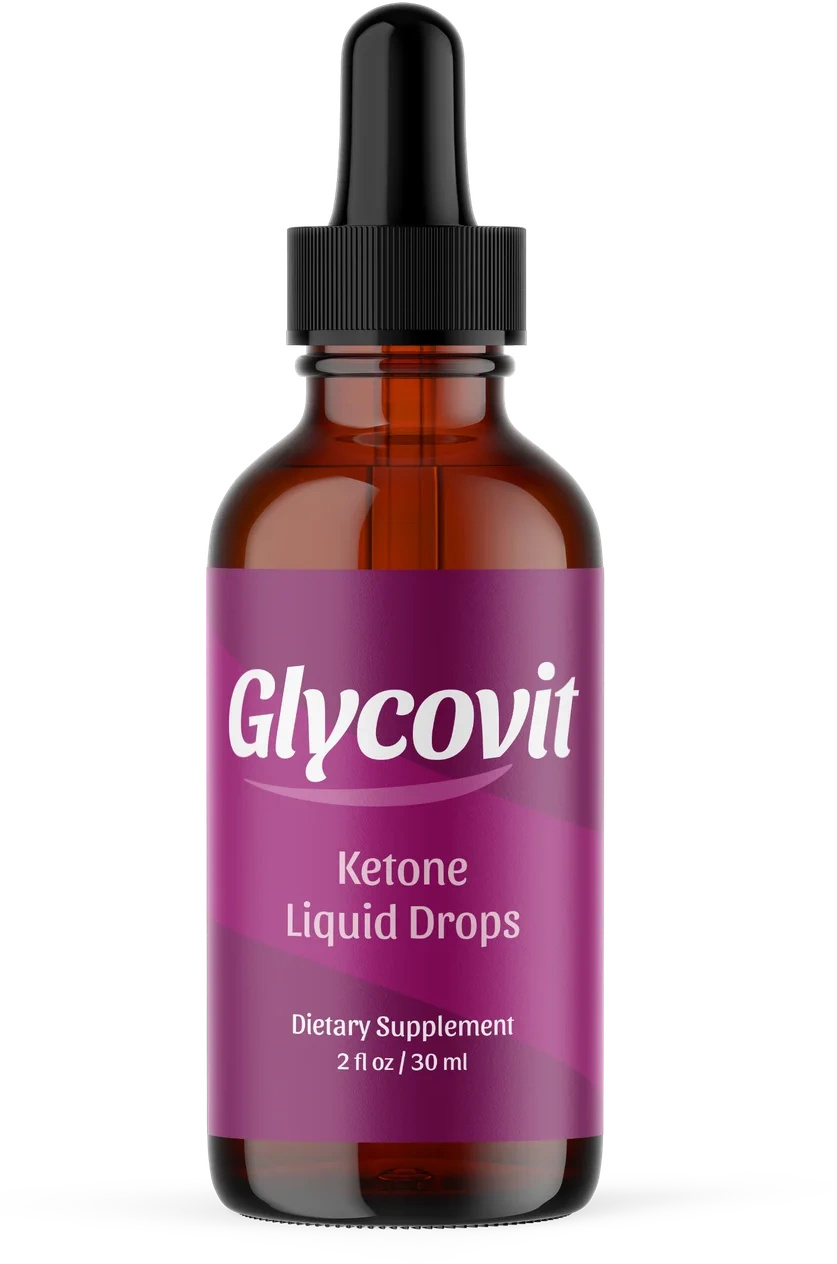
Timing is where gymnema is a little different from other botanicals. Because its signature effect is on taste, some people take it shortly before a meal or a moment when they expect to be tempted by something sweet, so the taste-dulling effect lines up with the craving. Others simply take it as part of a steady daily routine and value the general metabolic-wellness association. In a blended, once-daily formula like Glycovit, gymnema is delivered alongside other extracts as part of an everyday habit rather than a spot treatment before dessert — a reminder that different formats suit different goals.
What to look for on a gymnema label
- The plant part. You want gymnema leaf, since that is the traditional and active part of the plant.
- A standardization figure. Look for a stated percentage of gymnemic acids (for example, “standardized to 25% gymnemic acids”). This is your best signal of a controlled, potent extract.
- The amount per serving. A milligram figure tied to a clear serving size.
- Manufacturing signals. GMP certification, a registered facility and third-party testing indicate real quality control.
- Honest positioning. A trustworthy label describes traditional or general use — sweet taste, cravings, healthy metabolism — and steers clear of disease claims.
The same checklist applies to every active in a formula. For two more worked examples, see our guides on how chromium works for blood sugar and, for a look at two of the most-searched ingredients online, berberine vs cinnamon for blood sugar.
The taste effect is real; the glycemic effect is a smaller literature
Gymnema is unusual because its most famous property can be demonstrated in about thirty seconds: chew the leaf and sugar briefly stops tasting sweet. The comprehensive review in Frontiers in Pharmacology on the phytochemicals, pharmacological and clinical potential of Gymnema sylvestre sets out the gymnemic acids behind that effect and the wider traditional record.
Whether blunting sweetness changes anything downstream has been tested directly. A 2020 study in Nutrients on the suppression of oral sweet sensations during consumption of sweet food in humans, and its effects on gastric emptying rate, glycemic response, appetite and food intake is the most relevant experiment for anyone hoping a taste effect translates into eating less.
On glucose itself, a trial in the Journal of Medicinal Food examined the effect of Gymnema sylvestre administration on glycemic control, insulin secretion and insulin sensitivity in patients with impaired glucose tolerance. That is a supervised clinical population, and a small one — useful, but not a promise about a healthy adult taking a share of a proprietary blend.
Botanical support for the daily craving battle
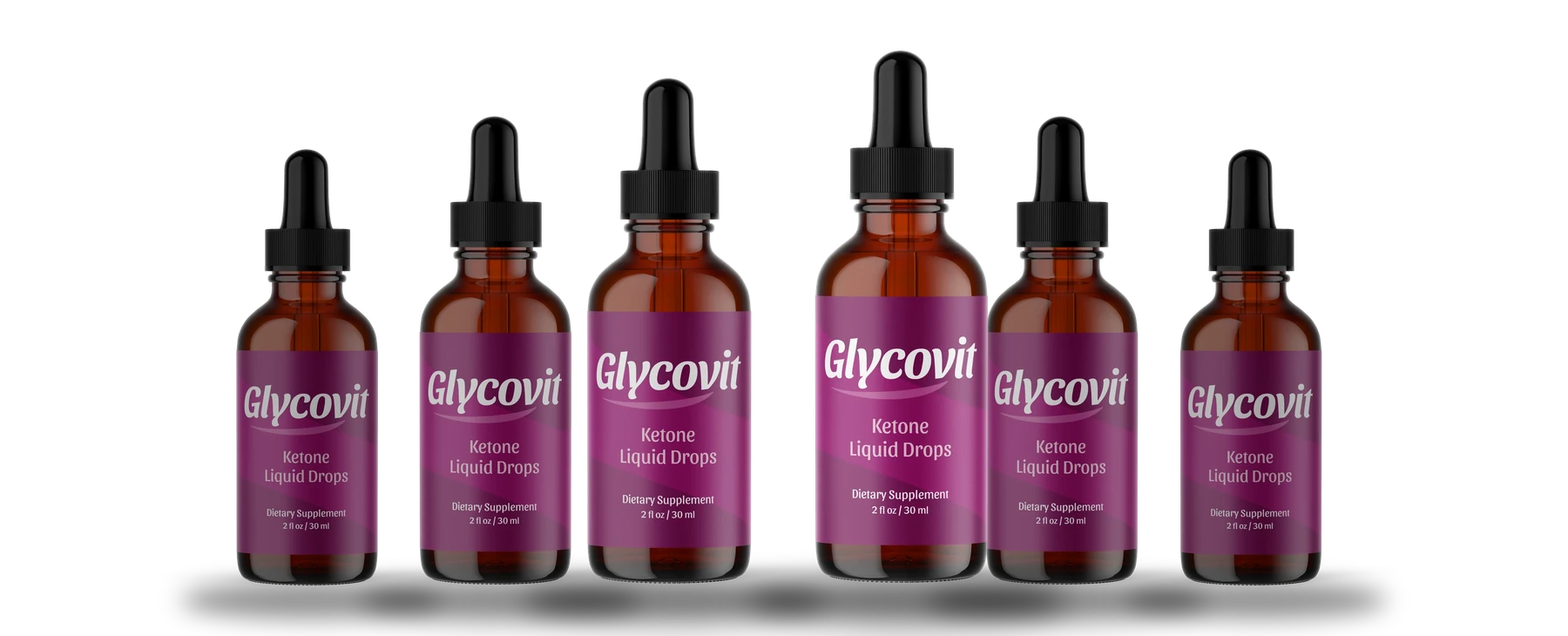
Glycovit™ brings together a blend of metabolism-friendly botanicals in a single once-daily liquid — an easy habit to anchor to your morning routine. Backed by a 60-day money-back guarantee.
Order Glycovit TodayCravings are a habit problem, too
It is worth remembering that cravings are not only a taste phenomenon — they are also shaped by sleep, stress and the shape of your meals. A short night makes sweet foods more tempting the next day. A meal built mostly of refined carbohydrates leaves you hungry again sooner. Chronic stress nudges you toward quick rewards. Gymnema can be a genuinely useful tool for the taste side of the equation, but it works best when the rest of the picture is not fighting against you.
So treat gymnema the way you would any supportive botanical: as one small lever among several. Build meals around fibre and protein so you are less hungry to begin with, protect your sleep so cravings stay manageable, and use gymnema as the extra nudge that tips a close decision in the right direction. That combination — better habits plus a well-chosen botanical — is far more powerful than any single ingredient on its own.
Who should be cautious
Gymnema is well tolerated by most healthy adults, but a few groups should take extra care. Because it is associated with metabolism and sweet taste, anyone taking medication that affects blood sugar should speak with a clinician before using it. The same goes for anyone who is pregnant or nursing, under 18, or managing a diagnosed condition. This is standard, sensible practice with any supplement, and a good clinician will welcome the question.
One small daily habit for the craving battle
Glycovit™ delivers a blend of metabolism-friendly botanicals in a single once-daily dropper — easy to anchor to your morning routine. Protected by a 60-day money-back guarantee.
See Glycovit PackagesWhere gymnema needs a clinician in the loop
Gymnema is the ingredient on this list most often studied for a direct glucose effect, which makes it the one most worth declaring. If you take insulin, a sulfonylurea or any other glucose-lowering medicine, speak to your prescriber before adding gymnema and never adjust your dose yourself. Stacking a glucose-active botanical on top of a glucose-lowering drug is how readings go too low, and low is the direction that causes trouble quickly. Gymnema is not a treatment for diabetes or prediabetes, and this page does not present it as one.
If cravings rather than numbers are what brought you here, supporting healthy blood sugar naturally covers the food, sleep and movement levers that do most of the work, berberine versus cinnamon compares the two most-hyped alternatives, and our label-reading guide shows how to check the gymnema content of a blend. The panel for the product this site documents is on the Glycovit Official Site page.
Frequently asked questions
Does gymnema sylvestre help with sugar cravings?
Gymnema is traditionally nicknamed the “sugar destroyer” because its gymnemic acids can temporarily dull the taste of sweetness on the tongue. Many people use it as a supportive habit to make sweet foods feel less rewarding. It is a general wellness habit, not a treatment for any condition.
What are gymnemic acids?
Gymnemic acids are the active compounds in gymnema leaf. They are thought to interact with sweet-taste receptors on the tongue, which is why chewing the leaf or taking it before a sweet food can briefly blunt how sweet it tastes.
How is gymnema traditionally used?
Gymnema has a long history in traditional Ayurvedic wellness, where it has been valued for centuries in the context of healthy metabolism and sweet-taste. Modern supplements deliver it as a standardized leaf extract in capsules, powders or liquids.
What should I look for on a gymnema label?
Look for the plant part (leaf), a standardization figure such as a percentage of gymnemic acids, the amount per serving, and GMP manufacturing signals. A standardized leaf extract is a sign of a considered formula.
Is gymnema a substitute for medical care?
No. This article is general information only. If you are pregnant, nursing, under 18, taking medication or managing a diagnosed condition, speak with your physician before adding gymnema or any supplement.
References
- Effect of Gymnema sylvestre Administration on Glycemic Control, Insulin Secretion, and Insulin Sensitivity in Patients with Impaired Glucose Tolerance. J Med Food, 2021. PMID 32460589.
- Comprehensive Review on Phytochemicals, Pharmacological and Clinical Potentials of Gymnema sylvestre. Front Pharmacol, 2019. PMID 31736747.
- Suppression of Oral Sweet Sensations during Consumption of Sweet Food in Humans: Effects on Gastric Emptying Rate, Glycemic Response, Appetite, Food Satisfaction and Desire for Basic Tastes. Nutrients, 2020. PMID 32353974.
- National Center for Complementary and Integrative Health (NCCIH). “Ayurvedic Medicine: In Depth” and “Dietary and Herbal Supplements.” National Institutes of Health.
- Office of Dietary Supplements, National Institutes of Health. “Botanical Dietary Supplements: Background Information.”
- Harvard T.H. Chan School of Public Health, The Nutrition Source. “Carbohydrates and Blood Sugar” and “Added Sugar in the Diet.”
- U.S. Food & Drug Administration. “Dietary Supplement Labeling Guide.”
- National Institute of Diabetes and Digestive and Kidney Diseases (NIDDK). “Blood Glucose & Healthy Eating.” National Institutes of Health.
- Diabetes and Dietary Supplements: What the Science Says. National Center for Complementary and Integrative Health, National Institutes of Health.
- Preventing Type 2 Diabetes. National Institute of Diabetes and Digestive and Kidney Diseases, National Institutes of Health.
Every PubMed identifier above was re-checked against the NCBI record on 3 September 2026; each linked title is the paper the citation names.
† These statements have not been evaluated by the Food and Drug Administration. This product is not intended to diagnose, treat, cure or prevent any disease. This article is for general information only and is not medical advice. Statements about ingredients describe their traditional or general use. Individual results vary.
Affiliate disclosure: this is an independent guide, not the manufacturer or the seller. Some links on this page go to a retailer that pays us a commission if you buy, at no extra cost to you. It never changes the price you pay or what we write here.