Berberine vs Cinnamon for Blood Sugar: How Each Works and What to Know
| Berberine | A concentrated plant alkaloid, taken in gram-level doses, studied around the cellular energy enzyme AMPK. |
| Cinnamon | A culinary spice used in smaller amounts, valued for polyphenols and a gentle everyday role. |
| Key difference | Potency and dose: berberine is intense and medication-interacting; cinnamon is mild and food-like. |
| Both are | Supportive habits for blood sugar already in the normal range — not treatments. Ask your clinician. |
Berberine vs cinnamon is one of the most common face-offs in the blood-sugar world — two of the most-searched ingredients online, endlessly compared, and frequently misunderstood. They are genuinely different tools: one is a potent, concentrated plant alkaloid taken in large daily doses; the other is a gentle culinary spice you might already have in your cupboard. This guide compares them the way it should be done — by mechanism, form and dosing context — and finishes with what to look for on a label. As with every ingredient we cover, the honest frame is that both are supportive habits for blood sugar already in the normal range, not treatments or cures, and berberine in particular deserves a conversation with your clinician.
Berberine: the concentrated alkaloid
Berberine is an alkaloid — a bitter, brightly yellow plant compound — found in botanicals such as goldenseal, barberry, Oregon grape and tree turmeric. Unlike a mild spice, berberine is a concentrated, potent compound, and that potency is the single most important thing to understand about it.
Mechanistically, berberine is most often discussed in the context of AMPK, an enzyme sometimes described as a “cellular energy sensor.” AMPK helps regulate how cells produce and use energy, and it plays a role in normal metabolism. Berberine’s association with this pathway is why it has attracted so much attention and so much research interest. It is worth stressing that this is an area of ongoing study, and that berberine’s potency cuts both ways: the same intensity that draws interest also means it can interact with medications and is not a casual, sprinkle-it-on ingredient.
Dosing reflects that potency in a surprising way. Berberine is taken in gram-level daily amounts — often split into several doses across meals, precisely because it is not well absorbed and can be hard on the stomach in a single large dose. That dosing pattern, and the medication-interaction concern, are why berberine is the ingredient on this page that most clearly calls for professional guidance before use.
Cinnamon: the everyday spice
Cinnamon could hardly be more different. It is a culinary spice, made from the inner bark of trees in the Cinnamomum family, and people have flavoured food with it for thousands of years. Its relevance to metabolism comes chiefly from its polyphenols — antioxidant plant compounds — and it is generally used in small, food-like amounts rather than the gram-level doses of berberine.
That gentleness is the appeal. A little cinnamon on oatmeal or in coffee is a pleasant, low-stakes way to lean into a metabolism-friendly habit, and it doubles as a way to make naturally sweet foods feel indulgent without added sugar. Cinnamon is the mild, everyday member of this pair — more kitchen than clinic.
Ceylon vs cassia: a cinnamon detail worth knowing
Not all cinnamon is the same. There are two main types. Cassia cinnamon is the common, inexpensive kind found in most supermarkets; it contains more of a compound called coumarin, which is best limited in large daily amounts. Ceylon cinnamon — sometimes called “true cinnamon” — is lower in coumarin and is often preferred for regular supplemental use for exactly that reason. If you plan to use cinnamon more deliberately than the occasional pinch, this distinction is worth knowing and worth checking on a label.
Berberine vs cinnamon: the honest comparison
Put side by side, the two are not really competing for the same job:
- Potency: berberine is intense and concentrated; cinnamon is mild and food-like.
- Dose: berberine is taken in grams, split across meals; cinnamon is used in small, culinary amounts.
- Mechanism story: berberine is discussed around the AMPK energy pathway; cinnamon around antioxidant polyphenols.
- Caution level: berberine can interact with medications and warrants clinician input; cinnamon is gentler, though cassia’s coumarin is worth limiting.
- Vibe: berberine feels like a supplement-shelf commitment; cinnamon feels like a kitchen habit.
The upshot is that “which is better” is the wrong question. The better question is which fits your goals, your tolerance for potency, and — especially for berberine — what your clinician advises. For the habits that matter more than any single ingredient, our guide on supporting healthy blood sugar naturally is the place to start.
Where Glycovit’s approach fits
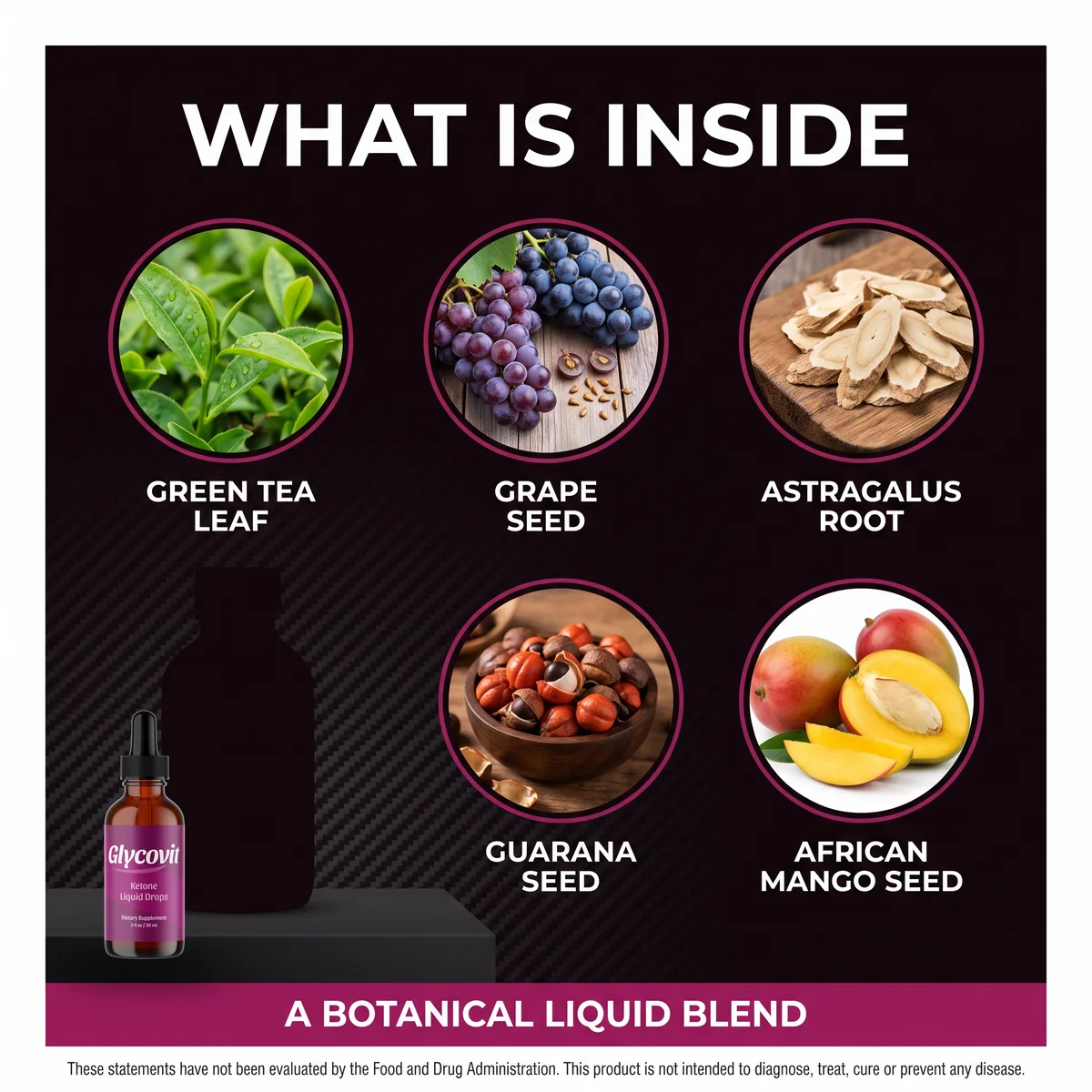
Glycovit does not chase the berberine-versus-cinnamon debate. Instead, it takes a blended botanical approach, combining green tea, grape seed, astragalus, guarana and African mango in a single once-daily liquid. The logic is the one that runs through all of our ingredient guides: rather than leaning on one intense compound, a well-designed blend delivers several complementary, modest-dose botanicals in a format that is easy to keep consistent. If you want to see how the individual actives in that blend work, our deep dives on green tea for blood sugar and grape seed extract for blood sugar break them down one at a time.
What the meta-analyses say when you put the two side by side
Berberine and cinnamon are the two ingredients readers ask us to compare most, and they sit at different points on the evidence curve. For berberine, a 2021 systematic review and meta-analysis of randomised controlled trials in Oxidative Medicine and Cellular Longevity examined the effect of berberine on metabolic profiles in patients with type 2 diabetes, reporting changes across several metabolic markers in people who already had a diagnosis.
Cinnamon has been pooled repeatedly and the results have moved around. An updated dose-response meta-analysis in Phytotherapy Research in 2024 assessed the effect of cinnamon supplementation on glycemic control in patients with type 2 diabetes mellitus, while a well-cited earlier meta-analysis in Annals of Family Medicine looking at cinnamon use in type 2 diabetes found effects on fasting glucose but flagged heterogeneity between trials as a serious limitation.
Two things follow. First, almost all of this research was done in people with diagnosed type 2 diabetes, not in healthy adults maintaining a normal range. Second, neither ingredient has been tested as part of a multi-botanical blend, so a comparison of single-ingredient trials cannot be transferred to a bottle that contains a dozen extracts.
A blended botanical, in one daily drop
Instead of a single intense compound, Glycovit™ delivers five complementary plant extracts in a simple once-daily liquid — easy to keep consistent, and backed by a 60-day money-back guarantee.
See Glycovit PackagesWhat to look for on a label — either way
Whether you are eyeing berberine, cinnamon or a blend, the same label literacy protects you:
- The specific ingredient and form. For berberine, the source and the amount per serving. For cinnamon, whether it is Ceylon or cassia, and the amount.
- A standardization figure where relevant, so you know how concentrated the active fraction is.
- The amount per serving tied to a clear serving size — especially important for berberine’s gram-level, split-dose pattern.
- Manufacturing signals: GMP certification, a registered facility and third-party testing.
- Honest positioning: traditional or general-use language, never disease claims.
This is the same checklist we apply to every active on this site. To see it worked through for a trace mineral and a taste-focused botanical, read how chromium works for blood sugar and gymnema sylvestre for sugar cravings.
Who should be cautious
Cinnamon as a spice is safe for most people in culinary amounts, with the coumarin caveat for large, daily cassia use. Berberine is the ingredient that most clearly demands caution: because it can interact with a range of medications, anyone taking medication — and anyone who is pregnant, nursing, under 18, or managing a diagnosed condition — should speak with a clinician before using it. When in doubt, ask first. That single habit is the most valuable one on this entire page.
Prefer a blend to a single compound?
Glycovit™ delivers five complementary plant extracts in one once-daily liquid — a gentle, easy-to-keep alternative to gram-level single ingredients. Protected by a 60-day money-back guarantee.
Order Glycovit TodayThe interaction question you should not skip
This is the comparison where the medical caution matters most, because both ingredients are studied precisely for their effect on glucose. Neither berberine nor cinnamon is a substitute for prescribed diabetes medication, and neither is a reason to reduce a dose, skip one or change when you take it. Adding a glucose-active botanical on top of a glucose-lowering drug can push a reading lower than intended, so the conversation to have is with the prescriber, before the first dose rather than after a bad afternoon. Berberine in particular is documented as interacting with a number of medicines through the liver enzymes that clear them.
If you are building a shortlist, the same evidence test applied to gymnema sylvestre and sugar cravings and to chromium for blood sugar is worth reading next, and when to take a blood sugar supplement covers the timing question both ingredients raise. Neither berberine nor cinnamon appears on the label of the product covered on the Glycovit Official Site page — a useful reminder to check a panel rather than assume it.
Frequently asked questions
Is berberine or cinnamon better for blood sugar?
They work differently. Berberine is a concentrated plant alkaloid taken in gram-level doses and studied for its effects on cellular energy pathways. Cinnamon is a culinary spice used in smaller amounts, valued for polyphenols and a gentle everyday role. Neither is a treatment; both are supportive habits, and the right choice depends on your goals and your clinician’s advice.
How does berberine work?
Berberine is an alkaloid found in plants such as goldenseal and barberry. It is most often discussed in the context of AMPK, an enzyme sometimes called a cellular energy sensor that plays a role in normal metabolism. It is taken in relatively large, gram-level daily amounts, usually split across meals.
What is the difference between Ceylon and cassia cinnamon?
Ceylon (true cinnamon) and cassia are two different types. Cassia is more common and contains more coumarin, a compound best limited in large daily amounts. Ceylon is lower in coumarin and often preferred for regular supplemental use.
Can you take berberine and cinnamon together?
Some formulas combine botanicals, but because berberine in particular can interact with medications, anyone considering it — alone or with cinnamon — should speak with a clinician first. This is general information, not medical advice.
Are berberine and cinnamon a substitute for medical care?
No. This article is general information only. If you are pregnant, nursing, under 18, taking medication or managing a diagnosed condition, speak with your physician before adding any supplement.
References
- The Effect of Berberine on Metabolic Profiles in Type 2 Diabetic Patients: A Systematic Review and Meta-Analysis of Randomized Controlled Trials. Oxid Med Cell Longev, 2021. PMID 34956436.
- The effect of cinnamon supplementation on glycemic control in patients with type 2 diabetes mellitus: An updated systematic review and dose-response meta-analysis of randomized controlled trials. Phytother Res, 2024. PMID 37818728.
- Cinnamon use in type 2 diabetes: an updated systematic review and meta-analysis. Ann Fam Med, 2013. PMID 24019277.
- National Center for Complementary and Integrative Health (NCCIH). “Cinnamon” and “Goldenseal.” National Institutes of Health.
- Office of Dietary Supplements, National Institutes of Health. “Botanical Dietary Supplements: Background Information.”
- Harvard T.H. Chan School of Public Health, The Nutrition Source. “Spices” and “Carbohydrates and Blood Sugar.”
- U.S. Food & Drug Administration. “Dietary Supplement Labeling Guide” and “Dietary Supplements.”
- National Institute of Diabetes and Digestive and Kidney Diseases (NIDDK). “Blood Glucose & Healthy Eating.” National Institutes of Health.
- Diabetes and Dietary Supplements: What the Science Says. National Center for Complementary and Integrative Health, National Institutes of Health.
- Preventing Type 2 Diabetes. National Institute of Diabetes and Digestive and Kidney Diseases, National Institutes of Health.
Every PubMed identifier above was re-checked against the NCBI record on 3 September 2026; each linked title is the paper the citation names.
† These statements have not been evaluated by the Food and Drug Administration. This product is not intended to diagnose, treat, cure or prevent any disease. This article is for general information only and is not medical advice. Statements about ingredients describe their traditional or general use. Individual results vary.
Affiliate disclosure: this is an independent guide, not the manufacturer or the seller. Some links on this page go to a retailer that pays us a commission if you buy, at no extra cost to you. It never changes the price you pay or what we write here.