Grape Seed Extract Benefits for Blood Sugar: Proanthocyanidins Explained
| What it is | A concentrated extract from grape seeds, rich in antioxidant proanthocyanidins (OPCs). |
| Why it’s used | Traditionally valued for supporting healthy circulation and countering oxidative stress. |
| Typical form | Milligram doses standardized to a percentage of proanthocyanidins or polyphenols. |
| Label check | Plant part (seed), standardization figure, mg per serving, GMP manufacturing. |
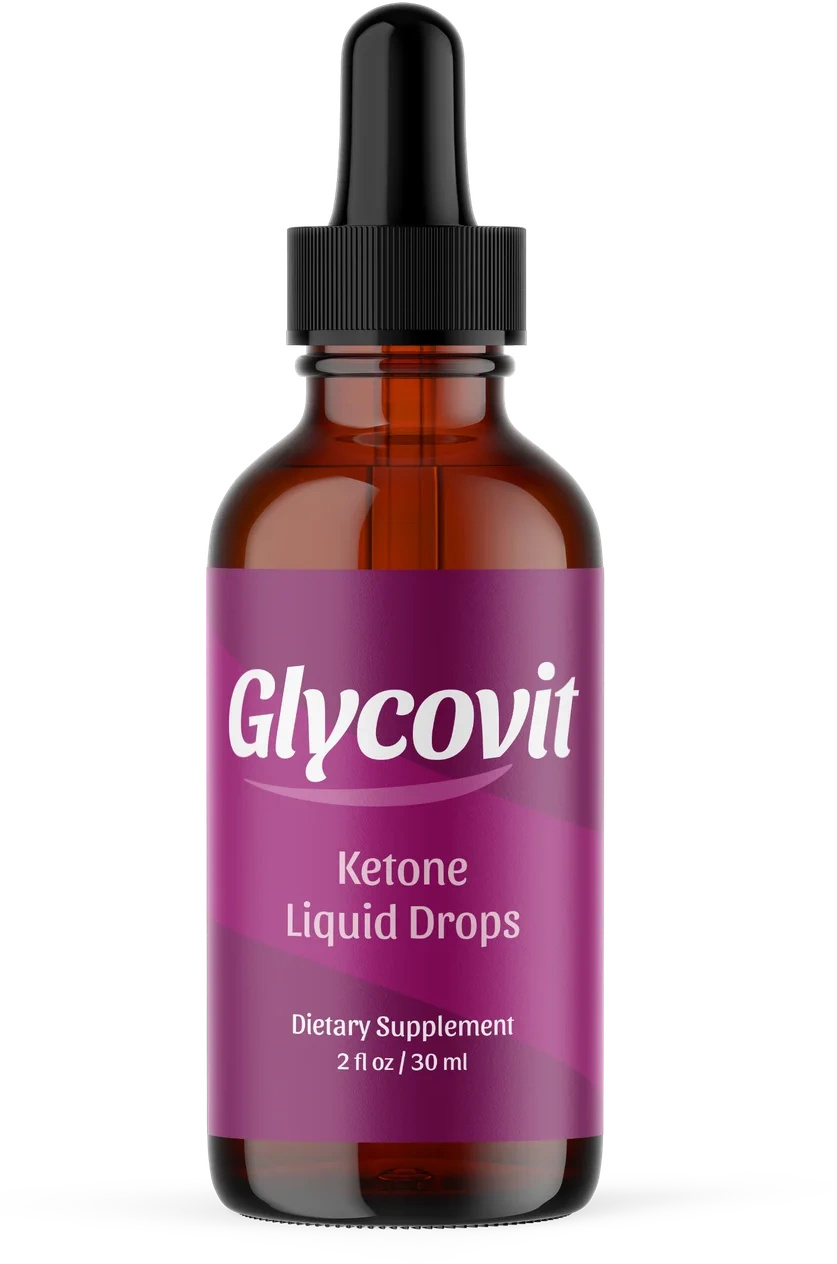
When people ask about the benefits of grape seed extract for blood sugar, they are really asking about a family of powerful plant antioxidants called proanthocyanidins. Grape seeds happen to be one of nature’s richest sources of them. This guide explains what grape seed extract actually is, what proanthocyanidins (often abbreviated OPCs) do, why the extract is so often paired with the ideas of circulation and antioxidant support, how it is dosed and standardized, and how to read it on a label. As always, the honest frame is that grape seed extract is a supportive daily habit for blood sugar that is already in the normal range — not a treatment or cure for anything.
What grape seed extract is
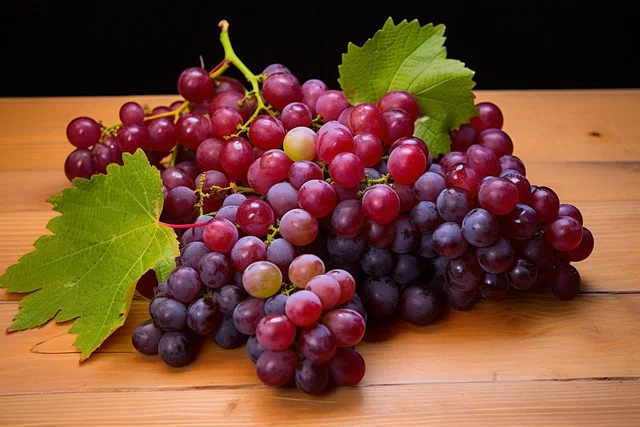
Grape seed extract is made from the small seeds left over from winemaking and grape processing. Those seeds are pressed and concentrated into a powder or liquid extract. What makes them valuable is their extraordinary density of polyphenols — especially proanthocyanidins, a group of antioxidant compounds also found in smaller amounts in foods like berries, apples and cocoa. Grape seeds simply pack a lot of them into a small package, which is why the extract has become a staple of antioxidant and circulatory-support formulas.
It is worth separating grape seed extract from a glass of red wine or from grape-skin resveratrol, two things it is often confused with. The seed extract is its own ingredient with its own compound profile, dominated by proanthocyanidins rather than the resveratrol found mainly in grape skins.
Proanthocyanidins (OPCs): the active compounds
Proanthocyanidins — you will also see them written as OPCs, for oligomeric proanthocyanidins — are the reason grape seed extract keeps appearing in wellness formulas. They are potent dietary antioxidants, meaning they help neutralise the reactive molecules that drive oxidative stress. Because oxidative stress is a normal by-product of everyday metabolism, a steady dietary supply of antioxidants is part of a balanced diet, and grape seed OPCs are among the more concentrated sources available in supplement form.
The other quality OPCs are traditionally associated with is healthy circulation. Grape seed extract has a long history of use for supporting the health of blood vessels and normal blood flow — a connection that makes it a natural companion in formulas concerned with metabolic wellness, since healthy circulation and steady metabolism are closely related parts of the same overall picture.
Grape seed extract and blood sugar: how it’s thought to fit
Grape seed extract is not a glucose lever in the way people sometimes imagine ingredients to be. Its relevance to blood-sugar formulas is more about the terrain glucose travels through. Two ideas capture it well.
First, antioxidant support. Metabolising the food you eat generates reactive molecules, and a diet rich in antioxidants helps keep that in balance. Grape seed OPCs contribute to that antioxidant supply, which is why the extract is so often described in the language of oxidative balance and everyday cellular protection.
Second, circulatory support. The traditional association between grape seed extract and healthy blood vessels dovetails with metabolic wellness, because efficient circulation is part of how nutrients and glucose move around the body. None of this makes grape seed extract a treatment; it makes it a sensible, complementary member of a blend. For the everyday habits that most directly shape your glucose rhythm, see our guide on supporting healthy blood sugar naturally.
Dosing context and standardization
Unlike chromium, which is measured in micrograms, grape seed extract is dosed in milligrams, and the number that really matters is the standardization. A good extract is standardized to a stated percentage of proanthocyanidins or total polyphenols — for example, “standardized to 95% polyphenols.” That percentage tells you how concentrated the active fraction is, and it is what lets a manufacturer promise a consistent amount of OPCs in every serving.
There is no single universal dose, and reputable sources describe ranges rather than a magic number. The sensible approach for general wellness is the same one we recommend across every ingredient on this site: favour a modest, consistent daily amount over an occasional large one, and follow the product label. In a blended formula like Glycovit, grape seed extract is delivered by a daily dropper alongside other botanicals, so it contributes a reasonable everyday amount within the wider blend rather than a standalone mega-dose.
What to look for on a grape seed extract label
- The plant part. You want grape seed specifically — not skin, not a generic “grape” entry — because the seed is where the proanthocyanidins are concentrated.
- A standardization figure. Look for a percentage of proanthocyanidins (OPCs) or total polyphenols. This is the single best indicator of a controlled, potent extract.
- The amount per serving. A milligram figure tied to a clear serving size, so a day’s intake is transparent.
- Manufacturing signals. GMP certification, a registered facility and third-party testing point to genuine quality control.
This is the same checklist we use for every active. To see it applied to a trace mineral and another polyphenol, read our companion guides on how chromium works for blood sugar and, for a comparison of two of the internet’s most-searched ingredients, berberine vs cinnamon for blood sugar.
What the grape seed trials actually tested
Grape seed extract has a small but real human evidence base, and it is more cardiovascular than glycemic. A double-blind randomised placebo-controlled trial in Diabetic Medicine studied the effects of grape seed extract in type 2 diabetic subjects at high cardiovascular risk, examining metabolic markers, vascular tone, inflammation, oxidative stress and insulin sensitivity — note how much of that outcome list sits outside blood glucose itself.
A smaller pilot in Pharmacognosy Magazine looked directly at the postprandial blood glucose response to grape seed extract in healthy participants, which is the closest match to the everyday question, but it was explicitly a pilot and not a definitive answer.
More recent work has stayed on the vascular side: the 2023 PRECISE study in Frontiers in Nutrition reported that a grape seed and bilberry extract reduced blood pressure in individuals at risk of developing type 2 diabetes. Read together, these support antioxidant and vascular framing far better than they support a glucose claim, and this page will not stretch them further than that.
Grape seed antioxidants, in a daily dropper
Glycovit™ combines grape seed extract with green tea, astragalus, guarana and African mango in one once-daily liquid — a simple way to keep antioxidant support consistent. Backed by a 60-day money-back guarantee.
See Glycovit PackagesHow grape seed extract fits a bigger routine
Antioxidants are one of those areas where the sum matters more than any single source. Grape seed extract is a concentrated contribution, but it works best on top of a colourful, plant-rich diet that supplies antioxidants from many directions at once — berries, leafy greens, herbs, tea and more. Think of the extract as a reliable daily anchor, not a substitute for eating the rainbow.
Because the benefit of any supportive botanical comes from doing it consistently, a once-daily format is genuinely useful here. It removes the friction of remembering, and it keeps the amount steady from day to day. Pair that with the fundamentals — balanced meals, a post-meal walk, decent sleep — and grape seed extract becomes one small, sensible thread in a larger, healthier pattern.
Who should be cautious
Grape seed extract is well tolerated by most healthy adults, but a few groups should take extra care. Because OPCs can theoretically affect blood flow, anyone taking blood-thinning medication should speak with a clinician first. The same goes for anyone who is pregnant or nursing, under 18, managing a diagnosed condition, or scheduled for surgery. This is standard, sensible practice with any supplement, and it is exactly the kind of question a good clinician is happy to answer.
Antioxidant support, kept consistent
Glycovit™ brings grape seed extract together with green tea and more in a single once-daily liquid — the easy way to keep the habit going. Protected by a 60-day money-back guarantee.
Order Glycovit TodayCautions, and what to check on the panel
Grape seed extract is a dietary ingredient and not a treatment for diabetes, prediabetes or high blood pressure. Do not stop or change any prescribed medicine because you have started it. Because the trial evidence points at blood pressure and vascular markers, anyone taking antihypertensive or anticoagulant medication should raise it with a pharmacist before the first dose — that is the interaction most likely to matter here.
On a label, look for the plant part and a standardisation figure for proanthocyanidins or OPCs; without one you cannot compare two products at all. Our label-reading guide covers that in detail, green tea for blood sugar deals with the other major polyphenol on these panels, and grapefruit and naringin covers the interaction question in full. The panel for the product this site documents is reproduced on the Glycovit Official Site page.
Frequently asked questions
What are the benefits of grape seed extract for blood sugar?
Grape seed extract is a concentrated source of antioxidant proanthocyanidins that are traditionally valued for supporting healthy circulation and countering oxidative stress. It is used as a supportive habit for blood sugar already in the normal range, alongside a good diet and activity, rather than as a treatment for any condition.
What are proanthocyanidins (OPCs)?
Proanthocyanidins, often called OPCs, are a family of plant polyphenols found in high concentration in grape seeds. They are strong dietary antioxidants and are the compounds most often referenced when discussing grape seed extract.
How is grape seed extract dosed?
Grape seed extract is measured in milligrams and is usually standardized to a percentage of proanthocyanidins or total polyphenols. There is no universal dose; general wellness use favours modest, consistent amounts, and users should follow the product label.
What should I look for on a grape seed extract label?
Look for the plant part (seed), a standardization figure such as a proanthocyanidin or polyphenol percentage, the amount per serving in milligrams, and GMP manufacturing signals. A specific, standardized entry is a sign of a considered formula.
Is grape seed extract a substitute for medical care?
No. This article is general information only. If you are pregnant, nursing, under 18, taking medication such as blood thinners, or managing a diagnosed condition, speak with your physician before adding grape seed extract or any supplement.
References
- Effects of grape seed extract in Type 2 diabetic subjects at high cardiovascular risk: a double blind randomized placebo controlled trial examining metabolic markers, vascular tone, inflammation, oxidative stress and insulin sensitivity. Diabet Med, 2009. PMID 19646193.
- Postprandial blood glucose response to grape seed extract in healthy participants: A pilot study. Pharmacogn Mag, 2012. PMID 23060692.
- A grape seed and bilberry extract reduces blood pressure in individuals at risk of developing type 2 diabetes: the PRECISE study, a double-blind placebo-controlled cross-over intervention study. Front Nutr, 2023. PMID 37351191.
- National Center for Complementary and Integrative Health (NCCIH). “Grape Seed Extract” and “Antioxidants: In Depth.” National Institutes of Health.
- Office of Dietary Supplements, National Institutes of Health. “Botanical Dietary Supplements: Background Information.”
- Harvard T.H. Chan School of Public Health, The Nutrition Source. “Antioxidants” and “Phytochemicals.”
- U.S. Food & Drug Administration. “Dietary Supplement Labeling Guide.”
- National Institute of Diabetes and Digestive and Kidney Diseases (NIDDK). “Blood Glucose & Healthy Eating.” National Institutes of Health.
- Diabetes and Dietary Supplements: What the Science Says. National Center for Complementary and Integrative Health, National Institutes of Health.
- Preventing Type 2 Diabetes. National Institute of Diabetes and Digestive and Kidney Diseases, National Institutes of Health.
Every PubMed identifier above was re-checked against the NCBI record on 3 September 2026; each linked title is the paper the citation names.
† These statements have not been evaluated by the Food and Drug Administration. This product is not intended to diagnose, treat, cure or prevent any disease. This article is for general information only and is not medical advice. Statements about ingredients describe their traditional or general use. Individual results vary.
Affiliate disclosure: this is an independent guide, not the manufacturer or the seller. Some links on this page go to a retailer that pays us a commission if you buy, at no extra cost to you. It never changes the price you pay or what we write here.