Chromium for Blood Sugar: How It Works, Dosing Context and Label Tips
| What it is | Chromium is an essential trace mineral your body needs in tiny (microgram) amounts. |
| How it works | It plays a normal role in carbohydrate and fat metabolism and is thought to support insulin’s action. |
| Common form | Chromium picolinate, chosen for absorption; also polynicotinate and chloride. |
| Label check | Look for the form, the amount in micrograms per serving, and GMP manufacturing. |
Of all the ingredients that appear in blood-sugar formulas, chromium is one of the few that is not a botanical at all. It is an essential trace mineral — a nutrient your body genuinely needs, in tiny amounts, to run normal metabolic processes. That distinction matters, because it changes how you should think about it. Green tea or grape seed are plant extracts you add for supportive polyphenols; chromium is a micronutrient with a defined, recognised role in how the body handles carbohydrates. This guide explains how chromium works for blood sugar, what the common forms like chromium picolinate actually are, what “dosing context” looks like when a nutrient is measured in micrograms, and how to read it on a label.
What chromium is and why the body needs it
Chromium is a mineral found in trace amounts throughout a normal diet — in broccoli, whole grains, potatoes, green beans, nuts and some meats. The form relevant to nutrition is trivalent chromium (chromium-3), which is the kind in food and supplements. It is essential, meaning your body cannot make it and must obtain it from what you eat. Because the amounts involved are so small, chromium is measured in micrograms (mcg), not milligrams — a thousand times smaller. That single fact shapes everything about how it is dosed and labelled.
Health authorities set an Adequate Intake for chromium that is modest, and most people who eat a varied diet meet their needs from food. Chromium is included in metabolism and blood-sugar formulas not because it is exotic, but because it has a well-recognised, normal role in carbohydrate metabolism — the very system these formulas are designed to support.
How chromium works for blood sugar
The mechanism most often cited is chromium’s relationship with insulin. Insulin is the hormone that signals cells to take up glucose from the bloodstream after you eat. Chromium is thought to support the efficiency of that signalling — historically described through a chromium-containing factor that helps insulin do its job. The science here has evolved over the decades and continues to be refined, but the throughline is consistent: chromium participates in the normal machinery of carbohydrate and fat metabolism.
In plain terms, chromium is best understood as a supporting player in a system that is already yours. It does not force glucose anywhere or override anything; it contributes to processes that keep everyday metabolism running normally. That is precisely why the compliant, accurate way to describe it is “supports normal carbohydrate metabolism as part of a balanced diet” — not as a treatment, and not as a fix for a medical condition. For the wider set of habits that shape day-to-day glucose, see our guide on supporting healthy blood sugar naturally.

Chromium picolinate and other forms
If you have shopped for a chromium supplement, you have almost certainly seen chromium picolinate. This is chromium bound to picolinic acid, a pairing chosen because it is thought to improve how well the mineral is absorbed. It is the form most commonly used in blood-sugar and metabolism products, and the one with the longest track record on supplement shelves.
Other forms you may encounter include chromium polynicotinate (chromium bound to niacin) and chromium chloride (an older, less well-absorbed form). For most everyday purposes the practical difference between well-formulated products is small, but the form is worth noting on a label because it tells you the maker made a deliberate choice rather than defaulting to the cheapest option.
Dosing context: thinking in micrograms
Because chromium is needed in such tiny amounts, dosing is a story about micrograms and moderation, not big numbers. A few principles help:
- Food first. A varied diet supplies chromium naturally. Supplements are a top-up, not a replacement for eating well.
- Modest is normal. Supplement amounts are typically in the tens to low hundreds of micrograms. More is not better; with any micronutrient there is a sensible ceiling.
- Follow the label and the professional. Because chromium can interact with certain medications — particularly anything affecting blood sugar — anyone taking medication should talk with a clinician before supplementing.
- Consistency over intensity. As with any supportive nutrient, a steady daily amount is more useful than an occasional large one.
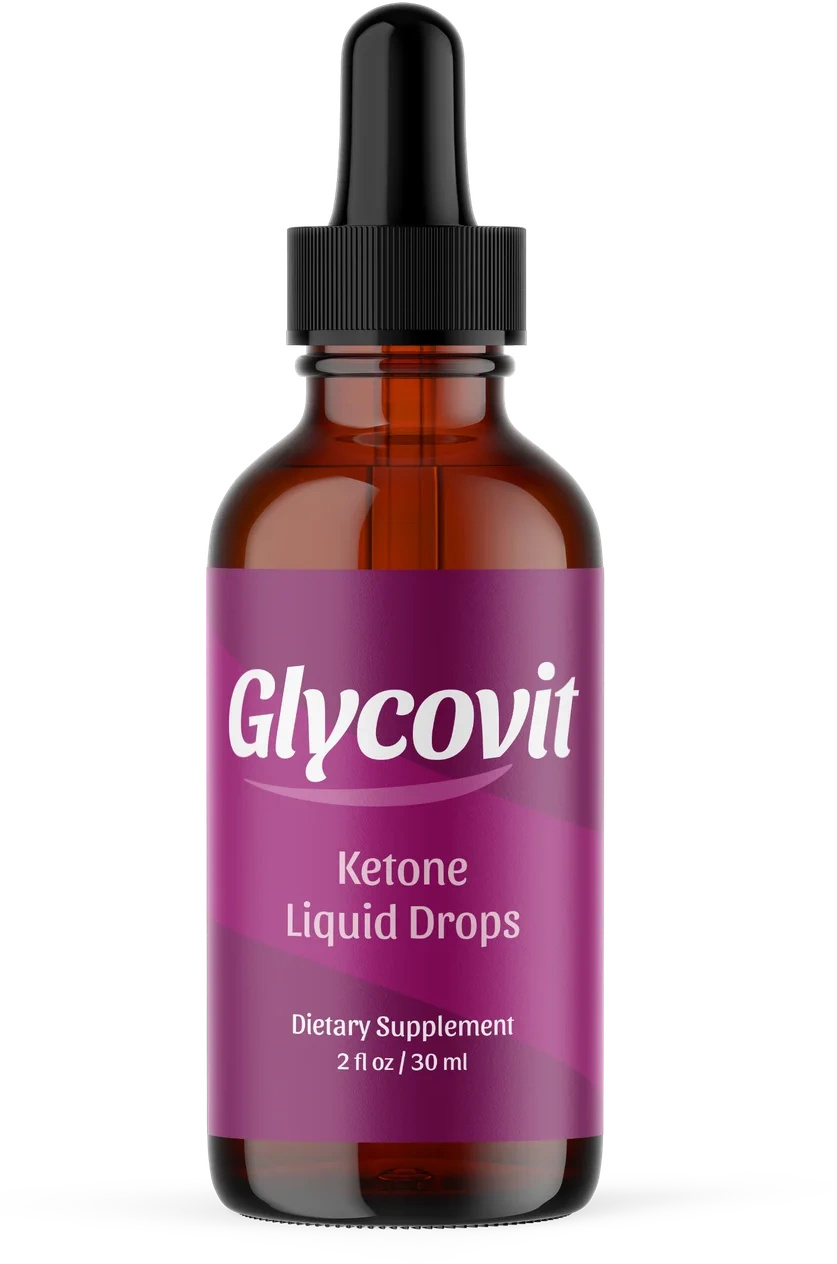
In a blended formula like Glycovit, chromium sits alongside plant extracts, so the daily dropper delivers a sensible everyday amount within the wider blend rather than a mega-dose of any single component. That is the design philosophy behind combining a trace mineral with botanicals: each plays a modest, complementary role.
What to look for on a chromium label
Reading a chromium entry on a supplement facts panel is refreshingly simple once you know the three things that matter:
- The form. “Chromium (as chromium picolinate)” tells you exactly what you are getting. A named form signals a considered formula.
- The amount and the % Daily Value. Look for the microgram figure per serving and, where shown, the percentage of the Daily Value. This anchors the amount to established nutrition guidance.
- Manufacturing signals. GMP certification, a registered facility and third-party testing all suggest quality control you can trust.
The same label logic applies to every active in a blend. If you want to see it worked through for plant extracts too, our guides on green tea for blood sugar and gymnema sylvestre for sugar cravings apply the same checklist to two very different ingredients.
Chromium is the most-studied and most-argued mineral in this category
Chromium has more human data than any botanical on a typical blood sugar label, and the findings genuinely disagree with each other. A 2020 systematic review and meta-analysis of randomised controlled trials in Pharmacological Research examined the effects of chromium supplementation on glycemic control in patients with type 2 diabetes, reporting modest changes in some glycemic markers.
Two decades earlier, a meta-analysis in the American Journal of Clinical Nutrition of glucose and insulin responses to dietary chromium supplements found no meaningful effect in people without diabetes — which is precisely the group most likely to buy a supplement off a shelf.
The disagreement runs deeper than dose. A 2017 paper in the Journal of Nutrition presented new evidence against chromium as an essential trace element, arguing that no deficiency state has been demonstrated in healthy people. If chromium is not essential, the case for supplementing it in a well-fed adult becomes much weaker, and that is an argument a shopper deserves to hear from a page like this rather than from nobody.
A trace mineral, a botanical blend, one daily drop
Glycovit™ pairs chromium with green tea, grape seed, astragalus and more in a single once-daily liquid — a simple way to keep a sensible everyday amount consistent. Backed by a 60-day money-back guarantee.
Order Glycovit TodayWhere chromium fits in the bigger picture
It would be a mistake to build your whole strategy around a single micronutrient. Chromium supports normal metabolism, but the largest, most reliable levers over your day-to-day glucose rhythm are still your plate, your movement, your sleep and your stress. Think of chromium the way you would any well-chosen nutrient: a small, steady contribution to a system you are already looking after through better habits.
Getting chromium from a varied diet is the foundation. A supplement — on its own or inside a blend — is a convenient way to top up, especially for people who know their diets are not always as varied as they would like. Treated that way, chromium becomes an unremarkable, sensible part of a routine rather than a headline.
Who should be cautious
Trivalent chromium from food and supplements is considered safe for most healthy adults at typical amounts. That said, because it can interact with certain medications — especially those that affect blood sugar — anyone on medication, anyone managing a diagnosed condition, and anyone who is pregnant or nursing should speak with their physician before adding a chromium supplement. This is standard, sensible practice, and it is the single most useful step you can take before adding any new nutrient to your routine.
A sensible everyday amount, made simple
Glycovit™ folds chromium into a botanical blend you take once a day — no counting micrograms, just a steady daily habit. Protected by a 60-day money-back guarantee.
See Glycovit PackagesReading a chromium line on a label, safely
Chromium is a mineral, not a medicine, and it is not a treatment for diabetes or prediabetes. Never reduce or stop a prescribed glucose-lowering medicine because you have started taking chromium. Because some trials do report an effect on glycemic markers, the combination is one to declare to your prescriber, and to a clinician if you have kidney or liver disease, since that is where excess trace minerals accumulate.
On the panel itself, look for the form — picolinate, polynicotinate and chloride are not interchangeable — along with the elemental amount and the %DV, and be wary of totals far above what food supplies. Our label-reading guide works through that panel line by line, berberine versus cinnamon applies the same evidence test to the two most-hyped botanicals, and supporting healthy blood sugar naturally covers the habits that outrank any mineral. The chromium line on the product this site documents appears on the Glycovit Official Site page.
Frequently asked questions
How does chromium work for blood sugar?
Chromium is an essential trace mineral that plays a normal role in how the body uses carbohydrates and fats. It is thought to support the action of insulin, the hormone that helps move glucose into cells. It supports normal metabolism as part of a balanced diet and is not a treatment for any condition.
What is chromium picolinate?
Chromium picolinate is a common supplemental form in which chromium is bound to picolinic acid to aid absorption. Other forms include chromium polynicotinate and chromium chloride. The picolinate form is the one most often seen in blood-sugar and metabolism formulas.
How much chromium do people take?
Chromium is measured in micrograms. Adequate Intake guidance from health authorities is modest, and most balanced diets supply chromium from foods like whole grains, broccoli and nuts. Supplement amounts vary by product, so follow the label and speak with a clinician if you take medication.
Which foods contain chromium?
Chromium is found in small amounts across many everyday foods, including broccoli, whole grains, potatoes, green beans, nuts and some meats. A varied diet is the primary way most people meet their needs.
Is chromium a substitute for medical care?
No. This article is general information only. If you are pregnant, nursing, under 18, taking medication or managing a diagnosed condition, speak with your physician before adding chromium or any supplement.
References
- Effects of chromium supplementation on glycemic control in patients with type 2 diabetes: a systematic review and meta-analysis of randomized controlled trials. Pharmacol Res, 2020. PMID 32730903.
- Glucose and insulin responses to dietary chromium supplements: a meta-analysis. Am J Clin Nutr, 2002. PMID 12081828.
- New Evidence against Chromium as an Essential Trace Element. J Nutr, 2017. PMID 29021369.
- Office of Dietary Supplements, National Institutes of Health. “Chromium: Fact Sheet for Health Professionals” and “Chromium: Fact Sheet for Consumers.”
- National Center for Complementary and Integrative Health (NCCIH). “Chromium” and “Dietary and Herbal Supplements.” National Institutes of Health.
- Harvard T.H. Chan School of Public Health, The Nutrition Source. “Chromium.”
- U.S. Food & Drug Administration. “Dietary Supplement Labeling Guide.”
- National Institute of Diabetes and Digestive and Kidney Diseases (NIDDK). “Blood Glucose & Healthy Eating.” National Institutes of Health.
- Diabetes and Dietary Supplements: What the Science Says. National Center for Complementary and Integrative Health, National Institutes of Health.
- Preventing Type 2 Diabetes. National Institute of Diabetes and Digestive and Kidney Diseases, National Institutes of Health.
Every PubMed identifier above was re-checked against the NCBI record on 3 September 2026; each linked title is the paper the citation names.
† These statements have not been evaluated by the Food and Drug Administration. This product is not intended to diagnose, treat, cure or prevent any disease. This article is for general information only and is not medical advice. Statements about ingredients describe their traditional or general use. Individual results vary.
Affiliate disclosure: this is an independent guide, not the manufacturer or the seller. Some links on this page go to a retailer that pays us a commission if you buy, at no extra cost to you. It never changes the price you pay or what we write here.