Green Tea for Blood Sugar: Benefits, EGCG Science and What to Look For on a Label
| What it is | Green tea leaf is a polyphenol-rich plant; its lead compound is the catechin EGCG. |
| Why it’s used | Studied for antioxidant support and healthy metabolism; a supportive habit for blood sugar already in the normal range. |
| Typical amounts | 2–3 cups a day, or standardized extracts labelled by polyphenol/EGCG percentage. |
| Label check | Plant part (leaf), a standardization figure, amount per serving, and GMP manufacturing. |
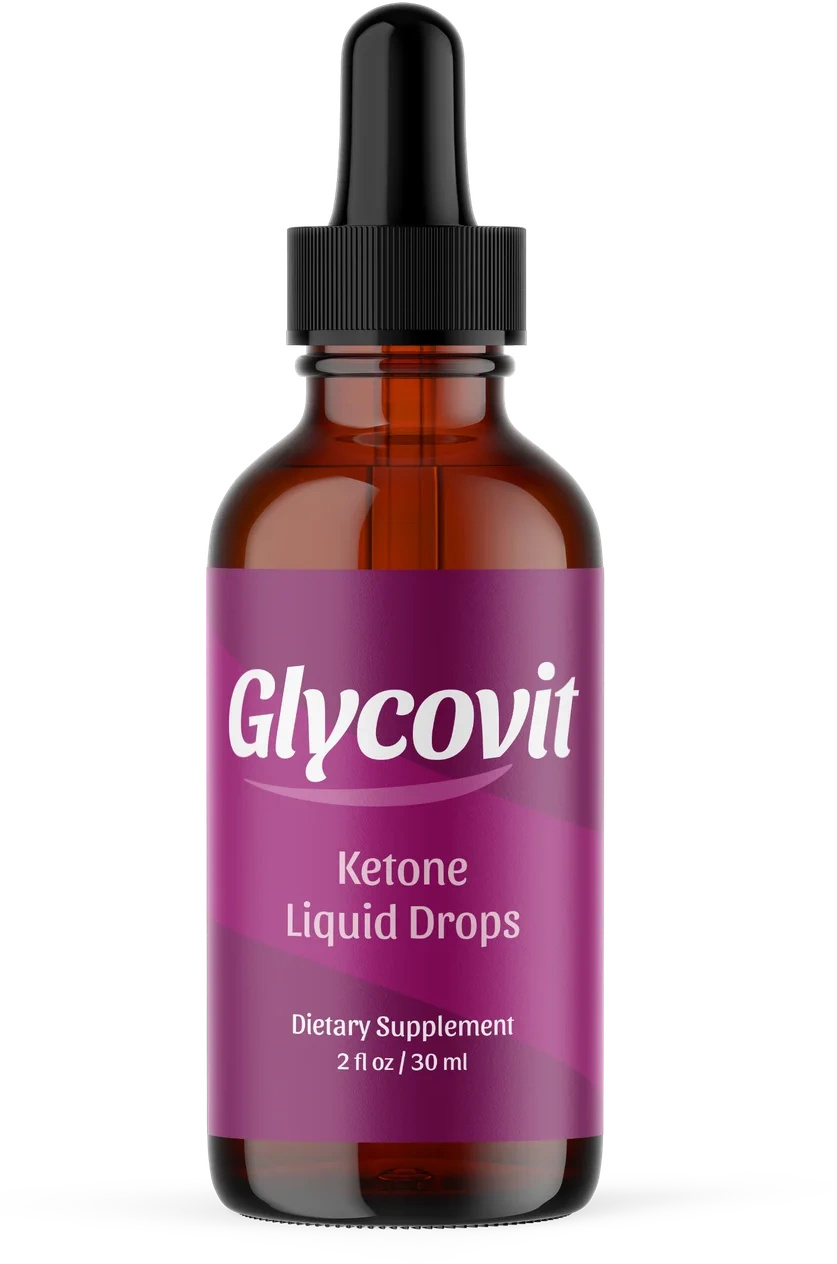
Few plants show up in blood-sugar conversations as often as green tea. Search for “green tea for blood sugar” and you will find everything from ancient tea ceremonies to modern polyphenol research. This guide cuts through the noise and explains, in plain English, what green tea actually is, how its most famous compound — EGCG — is thought to work, what “typical” amounts look like, and how to read a label so you can tell a considered formula from a vague one. Throughout, the frame is the same one we use across this site: green tea is a supportive daily habit for people looking after blood sugar that is already in the normal range, not a treatment for any medical condition.
What green tea actually is
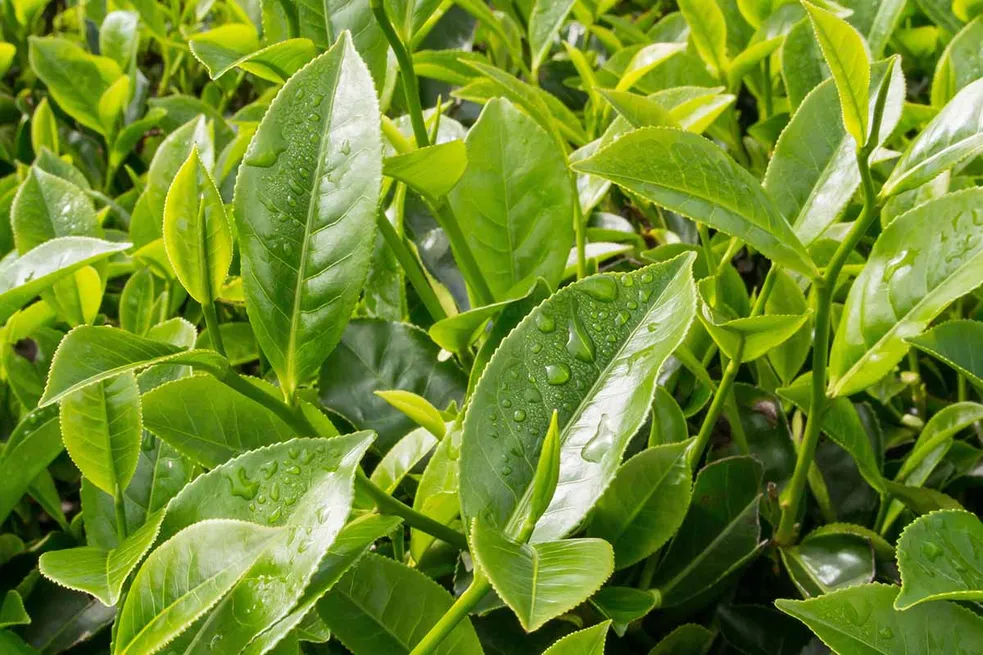
Green tea comes from the leaves of Camellia sinensis, the same plant that gives us black and oolong tea. The difference is processing. Green tea leaves are quickly steamed or pan-fired after harvest, a step that halts oxidation and preserves a group of plant compounds called catechins. Those catechins — along with a modest amount of caffeine and the calming amino acid L-theanine — are what give green tea its distinctive character and its long-standing place in wellness traditions across East Asia.
When people talk about green tea and metabolism, they are almost always talking about the catechins, and one in particular: epigallocatechin gallate, universally shortened to EGCG. It is the most abundant catechin in a typical cup and the one that dominates the research literature. Understanding EGCG is the key to understanding why green tea keeps appearing in blood-sugar formulas like Glycovit.
Green tea for blood sugar: how EGCG is thought to work
The honest starting point is that green tea is a food and a botanical, not a drug, and the research is a picture in progress rather than a settled verdict. That said, scientists have proposed several plausible mechanisms for why green tea polyphenols are so consistently studied in the context of healthy metabolism.
The first is antioxidant activity. EGCG is a potent dietary antioxidant, meaning it helps neutralise reactive molecules that would otherwise contribute to oxidative stress. Because everyday metabolic processes generate these molecules, a steady supply of dietary antioxidants is part of a normal, balanced diet.
The second is the idea of a gentler post-meal experience. Some research has explored how tea polyphenols interact with the enzymes and transporters involved in digesting and absorbing carbohydrates. The working hypothesis is that polyphenols may influence how quickly some sugars are handled after a meal — part of why green tea is so often paired with the idea of a smoother, steadier rise rather than a sharp spike. This remains an area of active study, and results vary with dose, form and the individual.
The third is simply that green tea tends to travel in good company. People who drink it often build it into an otherwise health-conscious routine — more whole foods, more movement, more mindful habits. Green tea, in other words, is frequently one thread in a larger pattern of everyday choices that support metabolic wellness. For a fuller look at that bigger picture, our guide on how to support healthy blood sugar naturally pulls the food, movement and sleep levers together.
Dosing context: what “typical” looks like
There is no single, universal dose of green tea, and it is worth being wary of any source that pretends otherwise. Instead, it helps to think in ranges and formats.
Brewed tea
Habitual green tea drinkers in the regions where it is most studied often have somewhere in the region of two to three cups a day, spread across the day. A cup delivers a modest amount of catechins plus a little caffeine. For most healthy adults this is a comfortable everyday amount, and the ritual itself — a warm drink, a pause in the day — is part of the appeal.
Standardized extracts
Supplements concentrate the leaf into a powder or liquid and are usually standardized to a stated percentage of polyphenols or EGCG. Standardization is what lets a manufacturer promise a consistent amount of the active compounds in every serving, rather than leaving it to the natural variation of a raw leaf. Extract users should follow the product label rather than improvising, and it is sensible to favour modest, consistent amounts over large ones. More is not automatically better with concentrated botanicals, and very high isolated doses of green tea extract are something to discuss with a clinician, particularly if you have any liver concerns.
In a blended formula such as Glycovit, green tea is one of several extracts delivered by a daily dropper, so the relevant question is less “how much green tea in isolation” and more “is this a sensible everyday amount within a balanced blend.” That is exactly why label literacy matters.
What to look for on a green tea supplement label
A good label tells you what you are actually taking. When you scan the supplement facts panel of any green tea product — on its own or inside a blend — here is what separates a considered formula from a vague one:
- The plant part. You want green tea leaf. The leaf is where the catechins live, so a label that names the part is being specific for a reason.
- A standardization figure. Look for a percentage of polyphenols or EGCG (for example, “standardized to 45% polyphenols”). This is your best signal that the amount of active compound is being controlled batch to batch.
- The amount per serving. A number in milligrams, tied to a clearly stated serving size, so you know what a day actually delivers.
- Manufacturing signals. GMP (Good Manufacturing Practice) certification, made in a registered facility, and third-party testing all suggest a company that takes quality seriously.
- Honest positioning. A trustworthy label describes traditional or general use and avoids disease claims. Big promises to “cure” or “treat” anything are a red flag, not a selling point.
Glycovit™ lists green tea leaf alongside its other botanicals precisely so you can see what is in the blend. If you want to compare it with other actives, our companion guides on grape seed extract for blood sugar and how chromium works for blood sugar walk through the same label logic for two more common ingredients.
What pooling the green tea trials actually produced
Green tea has been pooled more than once, and the results are modest rather than dramatic. A meta-analysis of randomised controlled trials in the American Journal of Clinical Nutrition assessed the effects of green tea catechins with or without caffeine on glycemic control in adults and reported small changes in fasting glucose, with no clear effect on some other markers.
A later meta-analysis in Nutrition & Metabolism examining the effects of green tea consumption on glycemic control reached a broadly similar conclusion. Both are worth reading as a corrective to marketing copy: the direction is favourable, the magnitude is small, and the trials vary in dose and duration.
The safety literature deserves equal billing, because concentrated extract is not the same thing as a cup of tea. The United States Pharmacopeia published a comprehensive review of the hepatotoxicity of green tea extracts, examining rare but documented liver injury associated with high-dose extracts, particularly taken fasted. That is not an argument against green tea; it is an argument for treating a concentrated extract with the seriousness it deserves.
Green tea, in a once-daily dropper
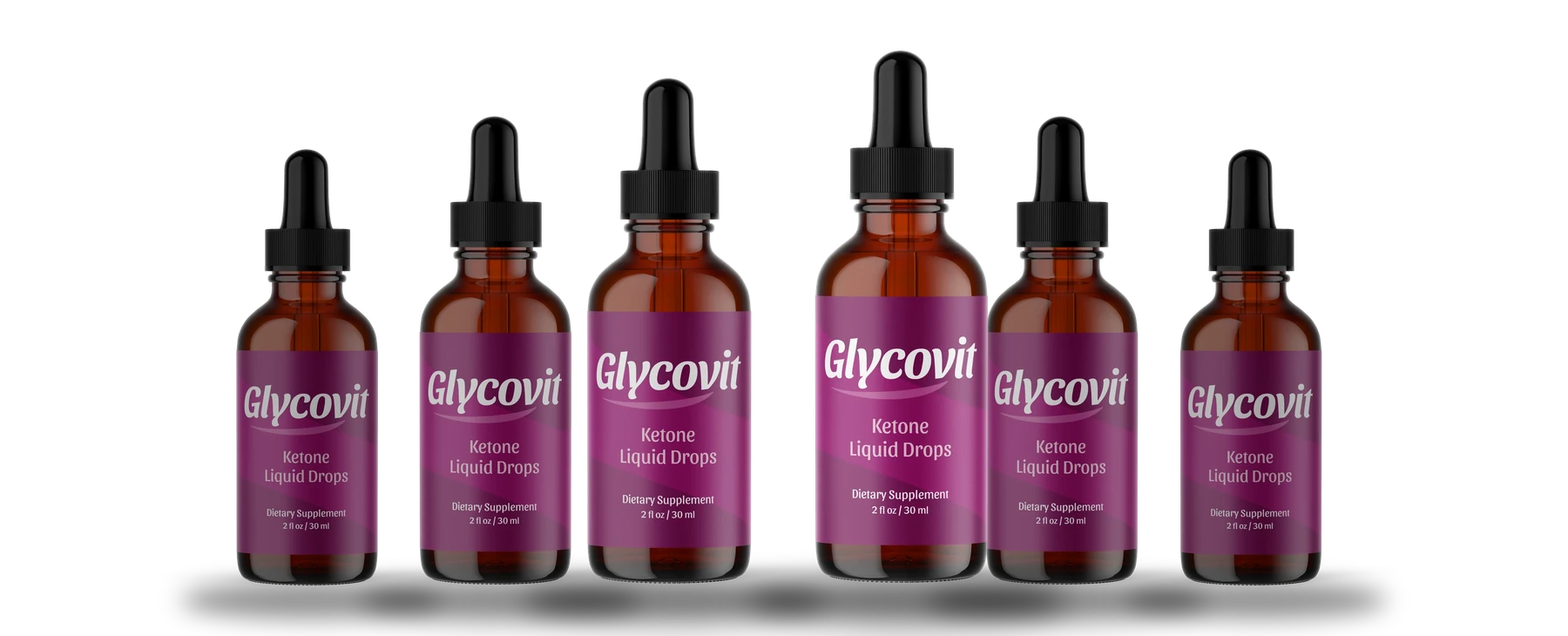
Glycovit™ brings green tea leaf together with grape seed, astragalus, guarana and African mango in a single daily liquid — a simple, standardized way to keep the habit consistent. Backed by a 60-day money-back guarantee.
See Glycovit PackagesHow green tea fits a bigger routine
It is tempting to treat any single ingredient as a lever you can pull on its own. Green tea works better as one habit inside a pattern. Pair your cup or your daily dropper with the fundamentals that do the heaviest lifting: meals built around fibre, protein and slower carbohydrates; a short walk after your largest meal; and enough sleep that cravings stay manageable. Green tea then becomes a small, pleasant, repeatable addition rather than a thing you are counting on to do everything.
Timing is a common question. Because green tea contains caffeine, many people prefer it earlier in the day, and keep the last cup well before bedtime so it does not interfere with sleep — which, as it happens, is its own blood-sugar habit. A standardized extract in a low-caffeine blend is often easier to keep consistent, which is the whole point: the benefit of any supportive botanical comes from doing it regularly, not perfectly.
Who should be cautious
Green tea as a beverage is well tolerated by most healthy adults, but a few groups should take extra care, especially with concentrated extracts. If you are pregnant or nursing, sensitive to caffeine, taking any medication, managing a diagnosed condition, or have any history of liver issues, talk with your physician before adding a green tea extract. This is standard, sensible practice with any supplement — not a warning specific to green tea — and it is exactly the kind of conversation a good clinician welcomes.
Make green tea an effortless daily habit
Skip the brewing and the measuring — Glycovit™ delivers standardized green tea leaf and four more botanicals in one once-daily dropper. Protected by a 60-day money-back guarantee.
Order Glycovit TodaySensible limits, and a line that matters
Green tea is a food and a botanical, not a medicine, and it is not a treatment for diabetes or prediabetes. Do not stop, lower or re-time a prescribed glucose medicine because you have added it. Speak to a clinician first if you have any liver condition, if you take medication metabolised by the liver, or if you are pregnant or nursing — and avoid high-dose extracts on an empty stomach, which is the pattern most often associated with the rare liver cases in the literature. Because green tea contains caffeine, keep it away from bedtime; poor sleep works against everything else you are doing here.
For context on the caffeine question, guarana for blood sugar and energy covers the other caffeine-bearing botanical on these labels, grape seed extract covers the polyphenol it is usually blended with, and chromium for blood sugar covers the mineral beside it on the panel. The green tea line for the product this site documents is on the Glycovit Official Site page.
Frequently asked questions
Does green tea help with blood sugar?
Green tea is rich in polyphenols, especially EGCG, that have been studied in the context of healthy metabolism and antioxidant support. It is best viewed as a supportive daily habit for blood sugar already in the normal range, alongside balanced meals and movement, rather than a treatment for any condition.
What is EGCG and why does it matter?
EGCG (epigallocatechin gallate) is the most abundant and most studied catechin in green tea. It is a strong dietary antioxidant and is the compound most often referenced when researchers discuss green tea and metabolic wellness.
How much green tea polyphenol is typical?
Everyday tea drinkers often have two to three cups a day. Standardized extracts are usually labelled by their polyphenol or EGCG percentage. There is no universal dose; general wellness use favours modest, consistent amounts, and extract users should follow the product label.
What should I look for on a green tea supplement label?
Look for the plant part (leaf), a standardization figure such as a polyphenol or EGCG percentage, the amount per serving, and third-party or GMP manufacturing signals. Clear labelling is a good sign of a considered formula.
Is green tea a substitute for medical care?
No. This article is general information only. If you are pregnant, nursing, under 18, taking medication or managing a diagnosed condition, speak with your physician before adding green tea extract or any supplement.
References
- Effects of green tea catechins with or without caffeine on glycemic control in adults: a meta-analysis of randomized controlled trials. Am J Clin Nutr, 2013. PMID 23426037.
- Effects of green tea consumption on glycemic control: a systematic review and meta-analysis of randomized controlled trials. Nutr Metab (Lond), 2020. PMID 32670385.
- United States Pharmacopeia (USP) comprehensive review of the hepatotoxicity of green tea extracts. Toxicol Rep, 2020. PMID 32140423.
- National Center for Complementary and Integrative Health (NCCIH). “Green Tea” and “Antioxidants: In Depth.” National Institutes of Health.
- Office of Dietary Supplements, National Institutes of Health. “Dietary Supplements for Weight Loss” and “Botanical Dietary Supplements: Background Information.”
- Harvard T.H. Chan School of Public Health, The Nutrition Source. “Tea” and “Antioxidants.”
- U.S. Food & Drug Administration. “Dietary Supplement Labeling Guide” and “Current Good Manufacturing Practices (CGMPs) for Dietary Supplements.”
- National Institute of Diabetes and Digestive and Kidney Diseases (NIDDK). “Blood Glucose & Healthy Eating.” National Institutes of Health.
- Diabetes and Dietary Supplements: What the Science Says. National Center for Complementary and Integrative Health, National Institutes of Health.
- Preventing Type 2 Diabetes. National Institute of Diabetes and Digestive and Kidney Diseases, National Institutes of Health.
Every PubMed identifier above was re-checked against the NCBI record on 3 September 2026; each linked title is the paper the citation names.
† These statements have not been evaluated by the Food and Drug Administration. This product is not intended to diagnose, treat, cure or prevent any disease. This article is for general information only and is not medical advice. Statements about ingredients describe their traditional or general use. Individual results vary.
Affiliate disclosure: this is an independent guide, not the manufacturer or the seller. Some links on this page go to a retailer that pays us a commission if you buy, at no extra cost to you. It never changes the price you pay or what we write here.