Guarana for Blood Sugar and Energy: How It Works and What to Look For
| What it is | Guarana (Paullinia cupana) is an Amazonian climbing plant whose seeds are among the most caffeine-rich in the world. |
| How it works | Its natural caffeine supports everyday alertness and is studied for a modest role in thermogenesis, while tannins are thought to buffer how fast that caffeine is absorbed. |
| Traditional use | Used for generations in the Amazon as an energizing tonic and, more recently, in energy and metabolism formulas. |
| Label check | Look for Paullinia cupana, the seed, a stated caffeine content per serving, standardization and GMP manufacturing. |
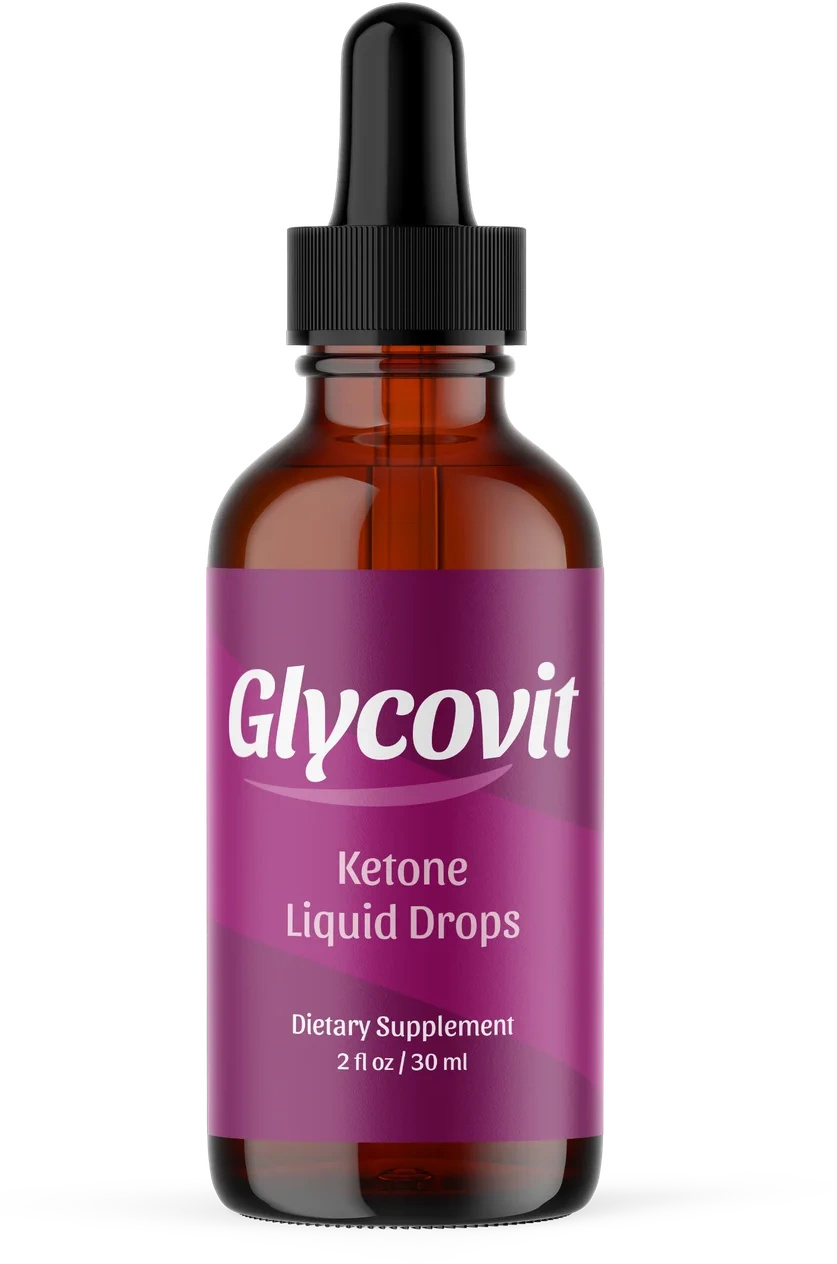
Ask most people where caffeine comes from and they will say coffee or tea. Fewer will name guarana — yet the seeds of this Amazonian vine are one of the richest natural sources of caffeine on the planet, and they turn up in energy drinks, metabolism blends and traditional tonics around the world. This guide looks at guarana for blood sugar and energy the way we look at every ingredient in the Glycovit formula: what the plant actually is, the chemistry that makes it interesting, how its caffeine relates to everyday metabolism and steady energy, the dosing context you need to make sense of a label, and the safety notes worth knowing before you reach for it.
What guarana is
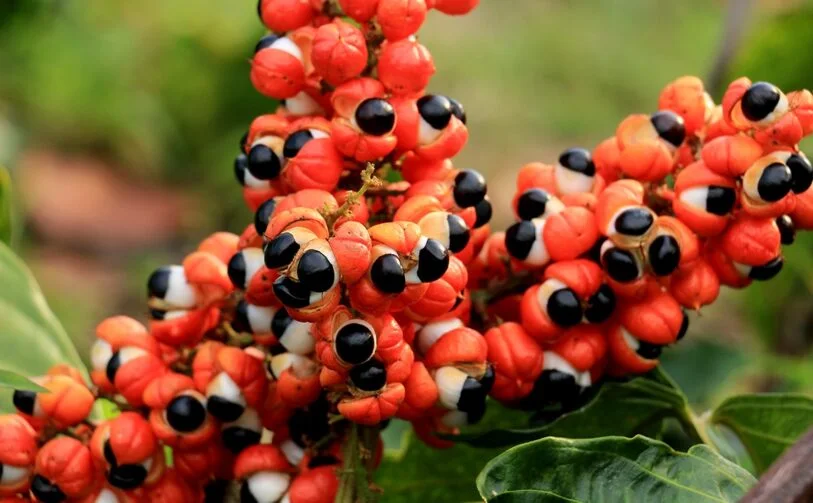
Guarana is Paullinia cupana, a woody climbing plant native to the Amazon basin, especially the Brazilian state of Amazonas. Its bright red fruit splits open to reveal a black seed set in white flesh, giving the ripe pod a striking, almost eye-like appearance. The seed is the part that matters: indigenous peoples of the Amazon have roasted, ground and mixed it with water for centuries as an energizing drink and traditional tonic, and Brazil still consumes guarana on a national scale in sodas and syrups.
For supplements, the seed is dried and either powdered or concentrated into an extract. What sets guarana apart from most botanicals is not a rare, exotic compound but a familiar one in unusually high concentration: caffeine. Where coffee beans hold roughly 1–2% caffeine by weight, guarana seed typically holds around 2–4%, which is why a small amount goes a long way and why the caffeine content is the single most important number on any guarana label.
How guarana works for energy and metabolism
The active story in guarana is built on three groups of compounds. First and foremost is caffeine — sometimes historically called “guaranine,” though it is chemically identical to the caffeine in coffee. Alongside it sit smaller amounts of the related methylxanthines theobromine and theophylline, the same family of gentle stimulants found in cocoa and tea. Third are tannins and antioxidant polyphenols, including catechins similar to those in green tea.
Caffeine is one of the most thoroughly studied compounds in nutrition. It supports everyday alertness and focus by acting on adenosine signalling in the brain, and it is studied for a modest role in thermogenesis — the body’s heat-and-energy production — and in normal metabolism. The honest framing is that guarana is a naturally caffeine-rich seed used to support steady daily energy; it is not a fat-burner, and it does not lower blood sugar or treat any condition. Its relevance to a blood-sugar-conscious routine is indirect: steady energy makes it easier to stay active and consistent with the habits that genuinely shape metabolism, which we cover in our guide on supporting healthy blood sugar naturally.
The “slow-release” caffeine idea
Guarana has a long-standing reputation for delivering a smoother, longer-lasting lift than a cup of coffee — less of a spike, less of a crash. This is usually attributed to its tannins, which are thought to slow the release and absorption of caffeine from the seed matrix, so it enters the bloodstream more gradually. It is a plausible and frequently repeated idea, and many people describe guarana’s energy as gentler and more sustained.
It is worth being measured here. The buffering effect is subtle and varies from person to person, and caffeine is still caffeine: the same daily limits apply. The useful way to think about guarana is as a source of naturally packaged caffeine that many people find easy to tolerate — not as a fundamentally different stimulant that escapes the usual cautions. That distinction matters when you are tallying your total daily caffeine across coffee, tea, chocolate and any supplements.
Guarana’s antioxidants
Beyond caffeine, guarana seed carries a respectable load of polyphenols and tannins with antioxidant activity. Everyday metabolism generates oxidative by-products, and antioxidant plant compounds are studied for their role in countering that oxidative stress. In this respect guarana keeps company with the other botanicals people reach for in this space — the catechins in green tea, the proanthocyanidins in grape seed, and more. If the antioxidant angle interests you, our guides on green tea for blood sugar and grape seed extract for blood sugar explore the same theme in two closely related ingredients.
As always, antioxidants from a supplement are a supporting cast, not the headline act. A colourful, plant-rich plate remains the largest dietary source of antioxidants for most people, and guarana simply adds a modest, caffeine-linked contribution on top of that foundation.
Dosing context: seed, powder and extract
Because guarana is defined by its caffeine, dosing is really about managing caffeine, and the format changes everything:
- Traditional powder. Ground guarana seed stirred into water is a food-like, lower-concentration preparation, though even a spoonful carries meaningful caffeine.
- Concentrated extract. Modern capsules and liquids use a small amount of concentrated extract, often described by an extract ratio or standardized to a caffeine percentage — a little goes a long way.
- Blended formula. In a multi-ingredient blend like Glycovit, guarana contributes a modest, complementary amount for gentle everyday energy rather than a jolt-sized stand-alone dose.
The practical rule is to track total caffeine, not milligrams of guarana. Most health authorities suggest healthy adults keep total daily caffeine under about 400 mg, with lower limits for those who are sensitive, pregnant or nursing. A guarana label that states its caffeine content per serving lets you do that math; one that hides caffeine inside a vague “proprietary energy blend” does not.
What to look for on a guarana label
Reading a guarana entry on a supplement facts panel comes down to a short checklist — and it is the same disciplined reading we apply to every active:
- The botanical name. Look for “Paullinia cupana” and confirmation that the seed is used.
- Caffeine content per serving. This is non-negotiable for a stimulant ingredient. It should be stated in milligrams.
- Standardization. An extract standardized to a set caffeine percentage means each serving is consistent batch to batch.
- Manufacturing signals. GMP certification, a registered facility and third-party testing point to genuine quality control.
If you want to see this label logic applied end to end — standardization, extract ratios, proprietary blends and all — our companion guide on how to read a blood sugar supplement label walks through a full panel line by line.
What guarana has actually been shown to do
Guarana is studied far more for alertness than for glucose, and it is fairer to say so than to imply otherwise. A 2023 systematic review and meta-analysis in Nutrients examined the effect of guarana (Paullinia cupana) on cognitive performance, pooling the trials on attention and mental performance rather than blood sugar.
Safety has been reviewed formally. A paper in the Journal of Agricultural and Food Chemistry assessed the safety of guarana seed as a dietary ingredient, covering the caffeine load that a guarana seed extract contributes — the single most practical fact about this ingredient for anyone sensitive to stimulants.
For the plant itself, a review in the Journal of Ethnopharmacology revisiting guarana, a highly caffeinated plant from the Amazon covers its composition and traditional use. The popular claim that guarana's tannins produce a slower, smoother caffeine release is a reasonable hypothesis about its chemistry, but it is not something these reviews establish as a measured clinical effect, and this page will not present it as one.
Gentle, botanical everyday energy
Glycovit™ pairs guarana with green tea, grape seed, gymnema, chromium and more in a single once-daily liquid — a simple way to keep a sensible, complementary amount consistent. Backed by a 60-day money-back guarantee.
Order Glycovit TodayWhere guarana fits in the bigger picture
No caffeine-rich seed is going to do the heavy lifting for your metabolism — and guarana does not pretend to. The largest, most reliable influences on your day-to-day glucose rhythm remain your plate, your movement, your sleep and your stress load. What guarana can do is make the energy side of that equation feel more manageable: a steady, gentle lift that supports staying active and consistent, which is where the real metabolic benefit lives.
That is also why guarana belongs in a thoughtfully built blend rather than a stand-alone energy shot. Combined with a trace mineral like chromium and antioxidant botanicals such as green tea and grape seed, it plays a modest, deliberate role, and the whole formula is designed to be an unremarkable, sensible part of a daily routine.
Who should be cautious
Because guarana is fundamentally a source of caffeine, the cautions are caffeine cautions. Anyone sensitive to stimulants, anyone with high blood pressure or a heart condition, and anyone prone to anxiety or sleep trouble should be careful and keep total daily caffeine low. Anyone who is pregnant or nursing, anyone under 18, and anyone taking medication that affects blood sugar, blood pressure or the heart should speak with a physician before use. Avoid taking guarana late in the day, and remember to count it toward your overall caffeine total. This is standard, sensible practice and the single most useful step before adding any new stimulant-containing botanical to your routine.
One daily drop, steady daily energy
Glycovit™ brings guarana together with a botanical blend you take once a day — no measuring powders, just a steady daily drop. Protected by a 60-day money-back guarantee.
See Glycovit PackagesThe caffeine question, before anything else
Guarana is a caffeine-bearing botanical, so the first question is not efficacy but tolerance. Add up every source in your day — coffee, tea, cola, pre-workout, chocolate — before adding another. Skip it if you are pregnant or nursing, prone to palpitations or anxiety, managing high blood pressure, or sensitive enough that an afternoon coffee costs you sleep. Guarana is not a treatment for diabetes or prediabetes, and it is never a reason to alter a prescribed medicine; if you take one, ask the prescriber before you start, particularly if it affects heart rate or blood pressure.
For the surrounding routine, Panax ginseng for blood sugar covers the adaptogen most often blended beside it, grapefruit and naringin covers an interaction question that applies to many of the same buyers, and when to take a blood sugar supplement explains why a caffeine-containing blend belongs earlier in the day. The guarana line on the product this site documents is shown on the Glycovit Official Site page.
Frequently asked questions
How does guarana relate to blood sugar and energy?
Guarana seeds are naturally rich in caffeine along with tannins and antioxidant polyphenols. The caffeine supports everyday alertness and is studied for a modest role in thermogenesis and normal metabolism, while the tannins are thought to slow how fast that caffeine is absorbed. Guarana supports steady daily energy as part of a healthy lifestyle and is not a treatment for any condition.
How much caffeine is in guarana?
Guarana seed is one of the most caffeine-dense plants known, typically containing about 2 to 4 times the caffeine of coffee beans by weight. Because concentrated extracts vary widely, a quality label states the caffeine content per serving so you can track your total daily intake, which most health authorities suggest keeping under about 400 mg for healthy adults.
Is guarana caffeine really slow-release?
Guarana is often described as offering a smoother, longer-lasting lift than coffee. This is commonly attributed to its tannins, which may slow the release and absorption of caffeine. The effect is gentle and individual, so guarana is best thought of as a source of naturally buffered caffeine rather than a dramatically different stimulant.
What should I look for on a guarana label?
Look for the botanical name Paullinia cupana and confirm the seed is the plant part used. A good label lists the caffeine content per serving, any standardization, and GMP manufacturing. Because guarana adds caffeine, the label should make its stimulant content clear.
Who should be cautious with guarana?
Because guarana is a source of caffeine, anyone sensitive to stimulants, anyone with high blood pressure or a heart condition, and anyone who is pregnant or nursing should be cautious and consult a clinician. Those taking medication that affects blood sugar or the heart should also speak with a physician before use.
Is guarana a substitute for medical care?
No. This article is general information only. If you are pregnant, nursing, under 18, taking medication or managing a diagnosed condition, speak with your physician before adding guarana or any supplement.
References
- Effect of Guarana (Paullinia cupana) on Cognitive Performance: A Systematic Review and Meta-Analysis. Nutrients, 2023. PMID 36678305.
- Safety of Guarana Seed as a Dietary Ingredient: A Review. J Agric Food Chem, 2019. PMID 31539257.
- Guarana: revisiting a highly caffeinated plant from the Amazon. J Ethnopharmacol, 2013. PMID 23981847.
- National Center for Complementary and Integrative Health (NCCIH). “Caffeine” and “Energy Drinks.” National Institutes of Health.
- Office of Dietary Supplements, National Institutes of Health. “Dietary Supplements for Exercise and Athletic Performance.”
- U.S. Food & Drug Administration. “Spilling the Beans: How Much Caffeine is Too Much?”
- Harvard T.H. Chan School of Public Health, The Nutrition Source. “Caffeine” and “Antioxidants.”
- U.S. Food & Drug Administration. “Dietary Supplement Labeling Guide.”
- Diabetes and Dietary Supplements: What the Science Says. National Center for Complementary and Integrative Health, National Institutes of Health.
- Preventing Type 2 Diabetes. National Institute of Diabetes and Digestive and Kidney Diseases, National Institutes of Health.
Every PubMed identifier above was re-checked against the NCBI record on 3 September 2026; each linked title is the paper the citation names.
† These statements have not been evaluated by the Food and Drug Administration. This product is not intended to diagnose, treat, cure or prevent any disease. This article is for general information only and is not medical advice. Statements about ingredients describe their traditional or general use. Individual results vary.
Affiliate disclosure: this is an independent guide, not the manufacturer or the seller. Some links on this page go to a retailer that pays us a commission if you buy, at no extra cost to you. It never changes the price you pay or what we write here.