Grapefruit and Naringin for Blood Sugar: How the Flavonoid Works
| What it is | Grapefruit (Citrus paradisi) is a low-glycemic citrus fruit; naringin is its main flavonoid and the source of its bitterness. |
| How it works | Fiber and a low glycemic load support a gentler post-meal glucose rise; naringin is studied for antioxidant activity and a supporting role in metabolism. |
| Must know | Grapefruit can interact with many medications via the CYP3A4 enzyme — always check with a pharmacist if you take prescriptions. |
| Label check | Look for the species Citrus paradisi, the plant part, any standardization to flavonoids, and GMP manufacturing. |
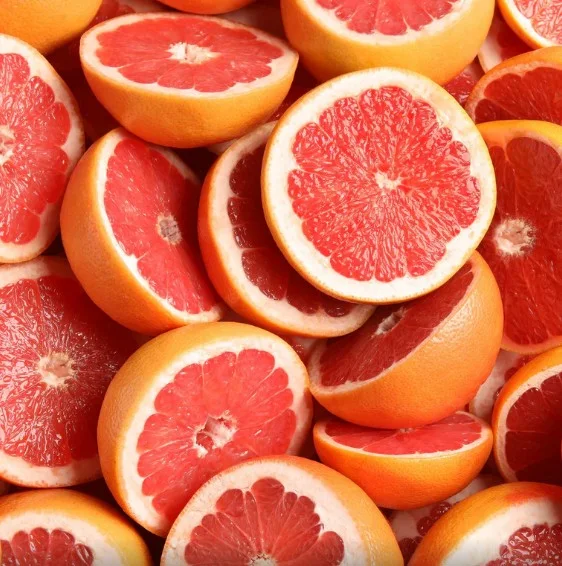
Grapefruit occupies an unusual place in the blood-sugar conversation. On one hand it is a bright, low-glycemic fruit celebrated for fiber, vitamin C and a family of citrus flavonoids led by naringin. On the other, it is famous for a genuinely important drug interaction that every reader taking medication needs to understand. A guide to grapefruit and naringin for blood sugar has to do both jobs honestly — explain why the fruit and its flavonoid are interesting for metabolism, and be crystal clear about the safety caveat. Grapefruit is one of the botanicals in the Glycovit blend, so this guide covers the science and the caution in equal measure.
What grapefruit and naringin are
Grapefruit is the fruit of Citrus paradisi, a citrus species prized for its tart, faintly bitter flavour. That bitterness is not incidental — it comes largely from naringin, the dominant flavonoid in grapefruit. Once consumed, naringin is converted in the body to naringenin, a related compound. Together these belong to the wider family of citrus flavonoids, plant pigments studied across nutrition for their antioxidant properties. In the Glycovit label the ingredient appears as Citrus paradisi fruit extract.
As a whole food, grapefruit is a textbook example of a low-glycemic fruit: mostly water, with soluble fiber, vitamin C and a modest natural sugar content. That combination is exactly the kind of package nutritionists point to for balanced energy, which is why grapefruit routinely appears in blood-sugar-friendly eating plans.
How grapefruit relates to blood sugar and metabolism
There are two honest threads here. The first is simple food science: grapefruit’s fiber and low glycemic load support a gentler, steadier post-meal glucose rise compared with high-sugar snacks — the same principle we cover in our guide to supporting healthy blood sugar naturally. Choosing a low-glycemic fruit over a sugary one is a small, reliable habit.
The second thread is the flavonoid itself. Naringin and naringenin are studied for their antioxidant activity and, in the broader research literature, for a supporting role in the pathways that govern how the body handles sugars and fats. This puts grapefruit in the same conceptual bucket as other polyphenol ingredients — for instance the proanthocyanidins in grape seed extract — where the value is a gentle, antioxidant-driven contribution to normal metabolism. The compliant, accurate framing is that grapefruit and its flavonoids are studied for a supporting role as part of a healthy diet, not that they lower blood sugar or treat any condition.
The grapefruit medication interaction — read this
This is the part that matters most, and it deserves its own heading. Grapefruit contains compounds called furanocoumarins that can inhibit an enzyme in the gut and liver called CYP3A4. That enzyme is responsible for metabolizing a large number of prescription medications. When grapefruit slows CYP3A4, it can change how much of a drug reaches your bloodstream — sometimes raising drug levels higher than intended. This is a well-documented, clinically significant interaction that applies to a long list of common medications.
The practical rule is straightforward: if you take prescription medication, ask your pharmacist or physician about grapefruit before consuming the fruit, its juice, or any grapefruit-containing supplement. Your pharmacist can tell you in seconds whether any of your medicines carry a grapefruit warning. This caution is not a reason to fear grapefruit as a food for most healthy people — it is simply the single most important thing to check first if you are on medication.
It is worth noting that a grapefruit extract may have a different furanocoumarin profile than the whole fruit, depending on how it is processed — but the safe default is to treat any grapefruit-containing product with the same caution and ask a professional. When in doubt, check.
Dosing context: fruit versus extract
As with every botanical, the amount depends on the format:
- Whole fruit. Half a grapefruit is a familiar, food-level serving — fiber, water and flavonoids in their natural matrix.
- Standardized extract. Supplements concentrate the flavonoids and may standardize to a percentage of naringin or total citrus flavonoids, defining the potency.
- Blended formula. In a multi-ingredient product like Glycovit, grapefruit contributes a modest, complementary share alongside other botanicals rather than a stand-alone dose.
Because of the medication interaction, dosing conversations for grapefruit should always start with your own medication list rather than a number on a label. For most people not taking interacting medicines, grapefruit is simply a healthy, low-glycemic food and a source of citrus flavonoids.
What to look for on a grapefruit label
The quality checklist is familiar, with one extra step:
- The species. “Citrus paradisi” spelled out confirms it is genuine grapefruit.
- The plant part. Usually the fruit; the label should say so.
- Standardization to flavonoids. A stated naringin or citrus-flavonoid content keeps servings consistent.
- Manufacturing signals. GMP certification, a registered facility and third-party testing point to real quality control.
- Your medication list. The most important check of all — confirm with a pharmacist that grapefruit is safe alongside anything you take.
The same label logic (minus the interaction step) applies to every active in a blend. Our guides on chromium for blood sugar and berberine vs cinnamon for blood sugar apply the identical checklist to a mineral and to two popular botanicals.
The interaction comes first, because it is the part that can hurt you
Grapefruit is the one ingredient on a blood sugar label where the safety literature outweighs the benefit literature, so it belongs at the top rather than in a footnote. A review in Drugs set out the mechanism behind grapefruit-drug interactions: compounds in the fruit inhibit an intestinal enzyme that normally breaks down a long list of oral medicines, so a standard dose can behave like a larger one. The affected list includes statins, some blood pressure medicines, immunosuppressants and certain sedatives.
The metabolic research is genuinely interesting but far earlier-stage. A paper in the European Journal of Pharmacology described metformin-like antidiabetic, cardio-protective and non-glycemic effects of naringenin, and the word to hold on to there is -like: this is molecular and pharmacological work, not a clinical demonstration that a citrus flavonoid does what metformin does.
A comprehensive systematic review in Advances in Nutrition on the effects of naringenin, a citrus-derived flavonoid, on risk factors for non-alcoholic fatty liver disease gives the fullest picture of what has and has not been shown in humans. It is a promising compound with a thin human file.
A citrus flavonoid, folded into a daily drop
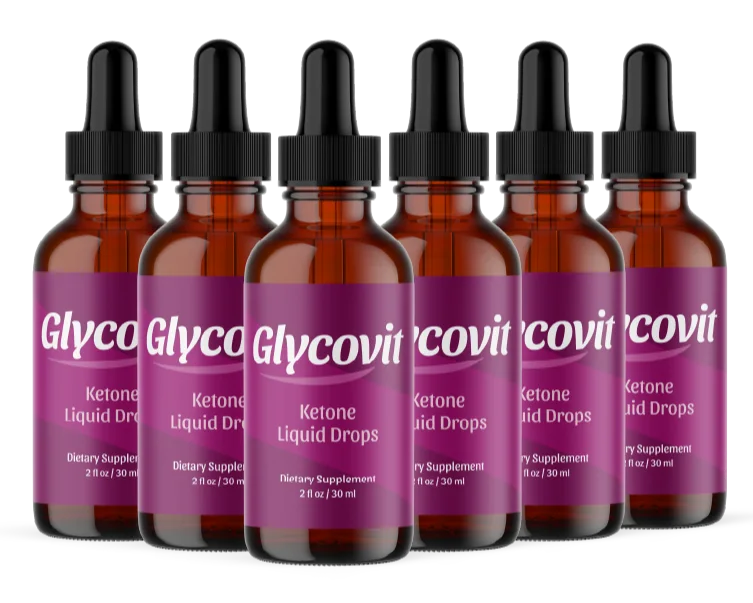
Glycovit™ brings grapefruit together with green tea, grape seed, astragalus, chromium and more in a single once-daily liquid — a simple way to keep a sensible everyday amount consistent. Backed by a 60-day money-back guarantee.
Order Glycovit Today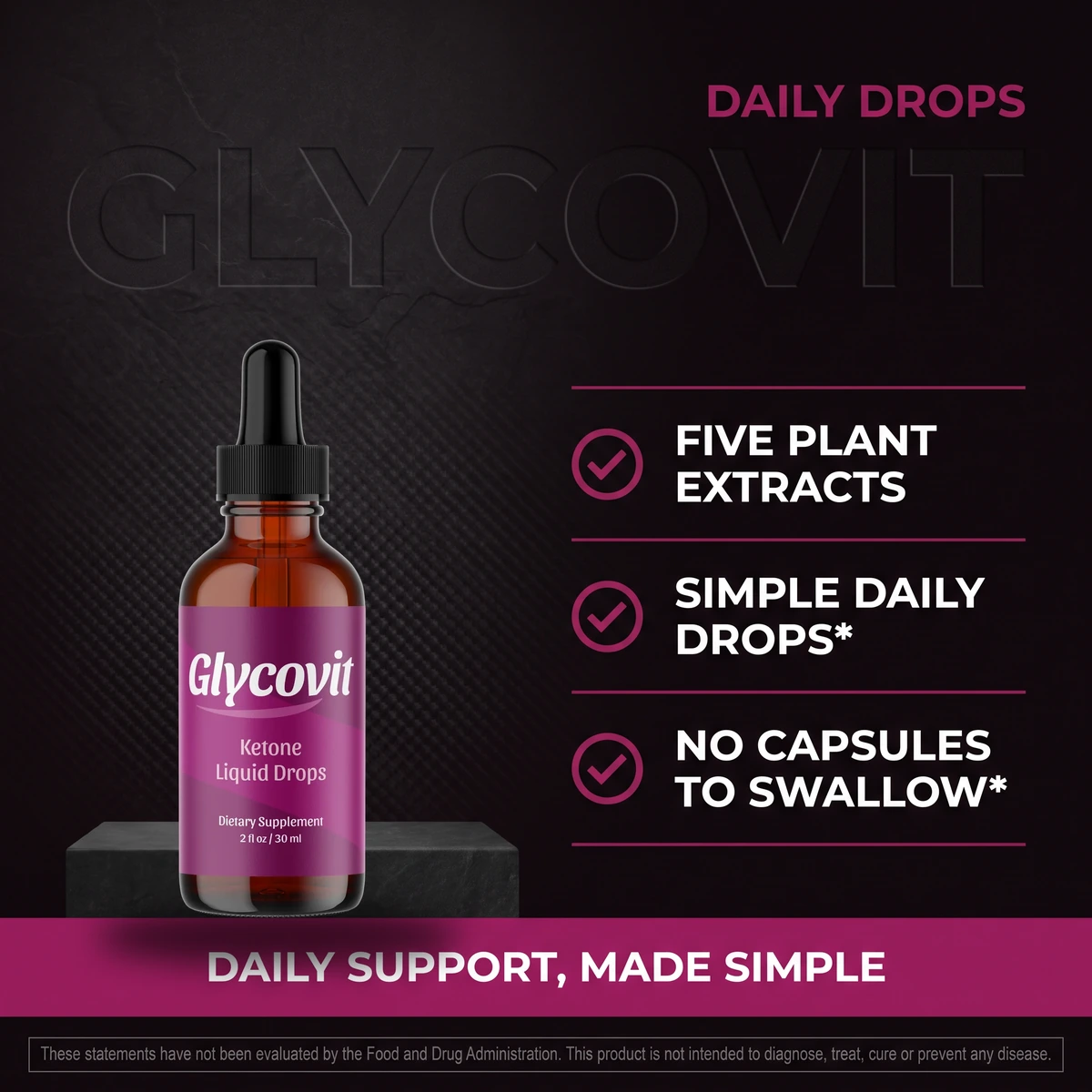
Where grapefruit fits in the bigger picture
Grapefruit is a good illustration of a balanced view of any ingredient: genuinely useful as a low-glycemic food and a source of citrus flavonoids, genuinely worth respecting for its drug interaction, and genuinely modest in what it can do on its own. The largest levers over your day-to-day glucose rhythm are still your overall diet, your movement, your sleep and your stress — a low-glycemic fruit is one small, pleasant contributor to that bigger picture.
Inside a blend, grapefruit adds a citrus-flavonoid accent alongside other complementary actives, each playing a modest role. That is the design philosophy throughout Glycovit: a handful of well-chosen ingredients, each contributing a little, rather than a single hero ingredient asked to do everything.
Who should be cautious
The headline caution is the medication interaction above: anyone taking prescription medication should confirm with a pharmacist or physician that grapefruit is safe alongside their medicines — this is non-negotiable and applies to the fruit, the juice and any grapefruit-containing supplement. Beyond that, anyone who is pregnant or nursing, anyone under 18, and anyone managing a diagnosed condition should also speak with their physician before adding a grapefruit supplement. For everyone else, grapefruit remains a healthy, low-glycemic food.
Citrus flavonoids, one simple habit
Glycovit™ folds grapefruit into a botanical blend you take once a day — no juicing, just a steady daily drop. Protected by a 60-day money-back guarantee.
See Glycovit PackagesWho must check with a pharmacist before taking this
This is the ingredient we would most like you to ask about rather than assume. If you take any prescription medicine, check whether it carries a grapefruit warning before you take a supplement that lists grapefruit extract — the leaflet in the box says so explicitly for the drugs affected, and a pharmacist can confirm it in under a minute. The interaction is dose-unpredictable, which is exactly why guessing is a poor strategy. And as with every ingredient on this site: grapefruit is not a treatment for diabetes or prediabetes, and it is never a reason to change a prescribed dose.
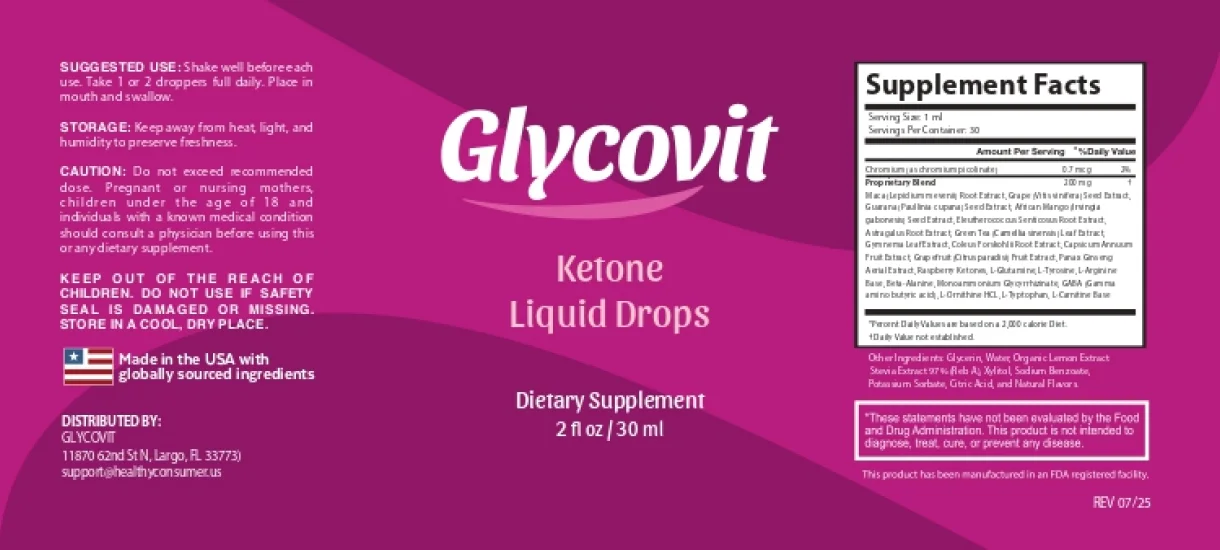
For the wider routine, when to take a blood sugar supplement covers spacing a supplement around medication, green tea for blood sugar looks at the other polyphenol most often paired with it, and our label-reading guide shows how to spot citrus extracts hidden inside a proprietary blend. Grapefruit fruit extract appears on the panel reproduced on the Glycovit Official Site page.
Frequently asked questions
How does grapefruit relate to blood sugar?
Whole grapefruit is a low-glycemic fruit that supplies water, soluble fiber, vitamin C and flavonoids such as naringin. Fiber and a low glycemic load support a gentler post-meal glucose rise, and the flavonoids are studied for antioxidant activity. Grapefruit supports a balanced diet and is not a treatment for any condition.
What is naringin?
Naringin is the main flavonoid in grapefruit and the compound behind its characteristic bitterness. In the body it converts to naringenin. Both are studied for antioxidant activity and for a supporting role in normal metabolism as part of the wider family of citrus flavonoids.
Does grapefruit interact with medications?
Yes. This is important. Grapefruit contains compounds called furanocoumarins that can affect an enzyme (CYP3A4) involved in metabolizing many medications, which can change how much of a drug reaches the bloodstream. If you take prescription medication, ask your pharmacist or physician about grapefruit before consuming it or a grapefruit-containing supplement.
Is a grapefruit supplement the same as eating grapefruit?
Not exactly. A grapefruit extract concentrates certain compounds and may or may not contain the same furanocoumarin profile as the whole fruit, depending on how it is made. Regardless, if you take medication, treat any grapefruit-containing product with the same caution and ask a professional first.
Is grapefruit a substitute for medical care?
No. This article is general information only. If you are pregnant, nursing, under 18, taking medication or managing a diagnosed condition, speak with your physician before adding grapefruit or any supplement.
References
- Grapefruit-drug interactions. Drugs, 2010. PMID 21142260.
- Metformin-like antidiabetic, cardio-protective and non-glycemic effects of naringenin: Molecular and pharmacological insights. Eur J Pharmacol, 2017. PMID 28322845.
- A Comprehensive Systematic Review of the Effects of Naringenin, a Citrus-Derived Flavonoid, on Risk Factors for Nonalcoholic Fatty Liver Disease. Adv Nutr, 2021. PMID 32879962.
- U.S. Food & Drug Administration. “Grapefruit Juice and Some Drugs Don’t Mix.”
- National Center for Complementary and Integrative Health (NCCIH). “Dietary and Herbal Supplements.” National Institutes of Health.
- Harvard T.H. Chan School of Public Health, The Nutrition Source. “Flavonoids” and “Carbohydrates and Blood Sugar.”
- Office of Dietary Supplements, National Institutes of Health. “Botanical Dietary Supplements: Background Information.”
- U.S. Food & Drug Administration. “Dietary Supplement Labeling Guide.”
- Diabetes and Dietary Supplements: What the Science Says. National Center for Complementary and Integrative Health, National Institutes of Health.
- Preventing Type 2 Diabetes. National Institute of Diabetes and Digestive and Kidney Diseases, National Institutes of Health.
Every PubMed identifier above was re-checked against the NCBI record on 3 September 2026; each linked title is the paper the citation names.
† These statements have not been evaluated by the Food and Drug Administration. This product is not intended to diagnose, treat, cure or prevent any disease. This article is for general information only and is not medical advice. Statements about ingredients describe their traditional or general use. Individual results vary.
Affiliate disclosure: this is an independent guide, not the manufacturer or the seller. Some links on this page go to a retailer that pays us a commission if you buy, at no extra cost to you. It never changes the price you pay or what we write here.