How to Read a Blood Sugar Supplement Label: A Plain-English Guide
| Start here | The Supplement Facts panel: check the serving size first, then the amount of each active per serving. |
| Key terms | %DV, standardized extract, extract ratio (e.g. 10:1), and proprietary blend — each tells you something different. |
| Watch for | Proprietary blends that hide amounts, vague plant sourcing, and disease or miracle claims. |
| Quality signals | GMP certification, a registered facility, third-party testing, named species with the right plant part, and the FDA disclaimer. |
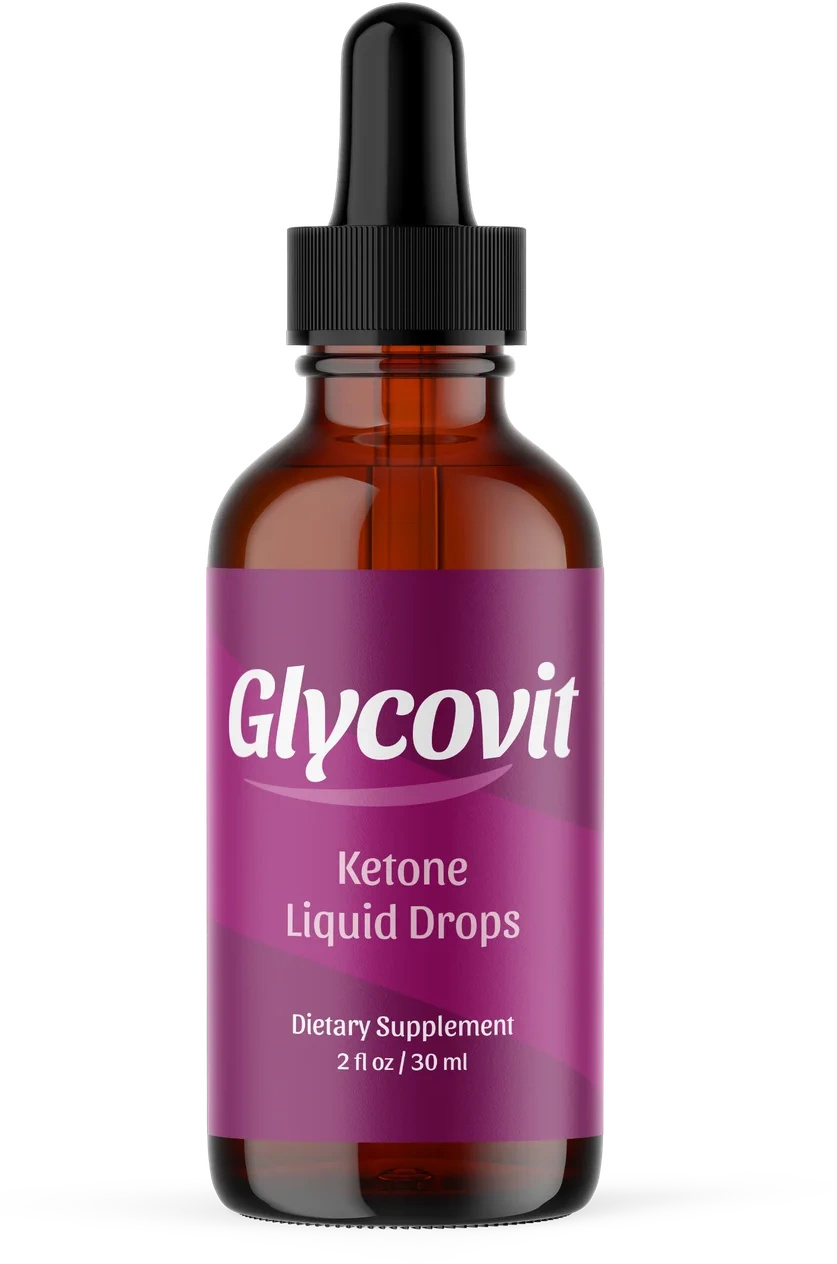
A supplement label can feel like a wall of small print — percentages, Latin plant names, ratios and blend weights that seem designed to be skimmed past. But for anyone choosing a blood-sugar or metabolism formula, that panel is where the real decision gets made. Learning how to read a blood sugar supplement label is the single most useful skill you can bring to the shelf, because it turns marketing into information. This plain-English guide walks through the label section by section, explains the terms that trip people up, and gives you a checklist of quality signals to look for — the same disciplined reading we apply to every ingredient we write about.
Start with the Supplement Facts panel
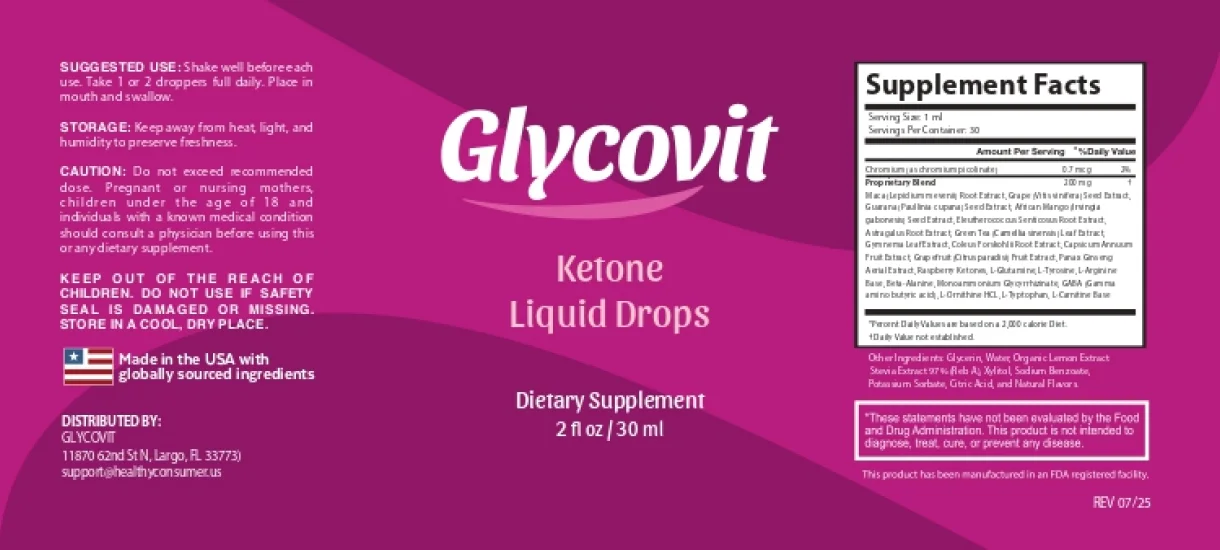
In the United States, dietary supplements carry a standardized Supplement Facts panel, required by the U.S. Food & Drug Administration. It is the closest thing to a common language across brands, and it is where you should always begin. Two lines set the context for everything else:
- Serving size. This tells you how much you must take to get the amounts listed — one capsule, two capsules, a full dropper. A big-looking number means little if the serving is three capsules taken twice a day.
- Servings per container. Together with serving size, this tells you how long a bottle actually lasts, which is what a per-bottle price really buys.
Only after you have those two numbers in mind should you read the ingredient amounts, because every figure below is stated per serving, not per capsule and not per day.
Amount per serving and %DV
For each active, the panel lists the amount per serving, usually in milligrams (mg) or micrograms (mcg). Where an official reference intake exists — as it does for vitamins and minerals like chromium — you will also see a % Daily Value (%DV). The %DV tells you how a serving compares to the general daily reference amount for that nutrient. It is a helpful yardstick for established nutrients, but note that many botanicals have no established Daily Value, so their line will read “†” or “Daily Value not established” — that is normal, not a warning sign.
A practical habit: for vitamins and minerals, sanity-check the %DV so you are not unknowingly stacking a very high dose across multiple products. For botanicals, focus instead on the amount, the standardization and the plant part, which we cover next.
Standardized extracts and extract ratios
Two phrases do most of the heavy lifting on a botanical label, and understanding them separates a considered formula from a careless one.
Standardized extract. A standardized extract has been processed so that each batch contains a guaranteed percentage of a marker compound — the constituent researchers most associate with the herb. You will see this as, for example, “standardized to 50% polyphenols” or “standardized to gymnemic acids.” Standardization means consistency: the serving you take today matches the one you took last month. It is a sign of quality control, not a promise of a specific outcome.
Extract ratio. A ratio like 10:1 describes concentration: ten parts of raw dried herb were reduced into one part of finished extract. A smaller weight of a 10:1 extract therefore represents more starting plant material than the same weight of raw powder. Ratios are useful context, but they are most meaningful alongside standardization — a ratio alone does not tell you how much of the active marker you are getting. Our guides on green tea and EGCG and grape seed extract and proanthocyanidins show these two ideas working together on real ingredients.
The proprietary blend problem
Here is the label feature that hides the most: the proprietary blend. A proprietary blend lists several ingredients grouped under one name with a single total weight — say “Metabolic Blend 500 mg” — without disclosing how much of each ingredient is inside. That total can be almost entirely one cheap filler ingredient, with only a pinch of the actives the marketing highlights. You simply cannot tell.
Proprietary blends are legal and not automatically a deal-breaker, but they trade away your ability to evaluate the formula. All else equal, a label that discloses each ingredient’s amount gives you more to work with and signals more confidence in what is inside. When you do see a blend, look at least for the order of ingredients, which by rule runs from most to least by weight.
Name the species and the plant part
A quality botanical label does two small things that careless labels skip. First, it names the exact species in Latin — Camellia sinensis for green tea, Astragalus membranaceus for astragalus — because common names can be ambiguous. Second, it states the plant part: root, leaf, seed, fruit or bark. This matters because the medicinal chemistry often lives in one specific part; astragalus root is not the same as astragalus aerial parts, and grape seed is not grape skin. Our guide on astragalus root for blood sugar shows why that single word on a label changes what you are actually buying.
Why the panel matters more than the marketing
Reading a label is a defensive skill, and the research explains why. A landmark systematic review in Diabetes Care of herbs and dietary supplements for glycemic control in diabetes found that the published trials were frequently small, short and poorly reported — so the marketing built on top of them tends to be far more confident than the underlying evidence.
Comparisons across products carry the same caveat. A network meta-analysis in Pharmacological Research on the comparative effects of vitamin and mineral supplements in the management of type 2 diabetes in primary care shows how much the answer depends on the specific compound, the dose and the population — none of which a proprietary blend lets you check.
And what a panel states is not automatically what a bottle contains. Analytical work in Food & Function developing a reliable, accessible and transferable method for the quantification of flavanols and procyanidins in foodstuffs and dietary supplements exists precisely because verifying declared plant compounds requires laboratory methods. That is the strongest practical argument for favouring products that publish standardisation figures and third-party testing.
A label you can actually read
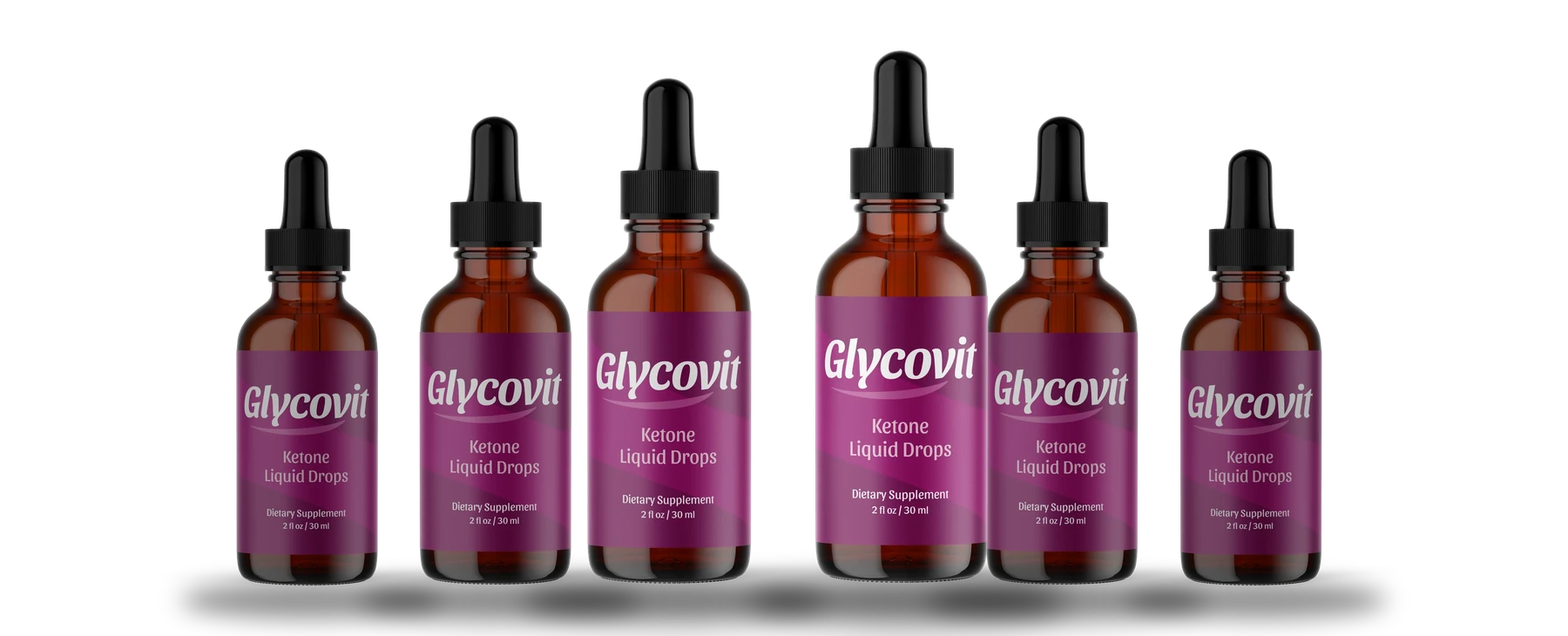
Glycovit™ is a once-daily botanical liquid with clearly named ingredients — green tea, grape seed, gymnema, chromium and more — so you can see what you are taking. Backed by a 60-day money-back guarantee.
Order Glycovit TodayQuality and safety signals beyond the panel
The Supplement Facts panel is the core, but the rest of the label and packaging carries meaningful signals too:
- GMP certification. Good Manufacturing Practices signal documented quality control in production.
- Registered facility. Manufacture in an FDA-registered facility is a baseline expectation for a serious maker.
- Third-party testing. Independent testing for identity, potency and contaminants adds a layer of accountability.
- The FDA disclaimer. The line “These statements have not been evaluated by the Food and Drug Administration…” is required for structure/function claims. Its presence — and the absence of disease or cure claims — signals a maker labelling within the rules.
- Allergen and “free-from” statements. Gluten-free, non-GMO, vegetarian and similar notes help you match the product to your needs.
Two red flags deserve special mention. First, any language promising to “treat,” “cure” or “reverse” a disease is not allowed for a supplement and should make you walk away. Second, dramatic before-and-after promises are a marketing signal, not a quality one. A trustworthy label describes traditional or general use and lets the honesty of the panel do the talking.
Putting it together: a five-step read
Next time you pick up a bottle, run this quick sequence:
- Check the serving size and servings per container.
- Read each active’s amount per serving, and the %DV for any vitamins or minerals.
- Look for standardization and, for botanicals, the species and plant part.
- Note any proprietary blend and treat undisclosed amounts with caution.
- Confirm the quality signals — GMP, testing, disclaimer — and rule out disease claims.
None of this tells you a product will work for you — no label can promise that, and the biggest levers on blood sugar remain diet, movement, sleep and stress, as we cover in supporting healthy blood sugar naturally. But this five-step read tells you whether a maker is being straight with you, which is the foundation of every good choice.
Clear label, one daily habit
Glycovit™ puts its botanical blend into a single once-daily liquid with an honest, readable label. Protected by a 60-day money-back guarantee.
See Glycovit PackagesThe line on the label people skip, and should not
Every supplement panel in the United States carries a version of the same statement: these statements have not been evaluated by the Food and Drug Administration, and this product is not intended to diagnose, treat, cure or prevent any disease. That sentence is the most accurate thing on the box. No supplement label is a treatment plan for diabetes or prediabetes, and no product on a shelf is a reason to change a prescribed medicine. If a package or a page suggests otherwise, that is the moment to stop reading and start asking a pharmacist.
Once you can read a panel, the format question becomes easier: our comparison of liquid and capsule blood sugar supplements covers what a dropper changes and what it does not, chromium for blood sugar shows what a mineral line should tell you, and green tea for blood sugar shows what a standardised botanical line looks like. A fully transcribed panel for the product this site documents appears on the Glycovit Official Site page.
Frequently asked questions
What is the most important part of a supplement label?
The Supplement Facts panel is the heart of the label. It lists each active ingredient, the amount per serving, and the serving size. Reading it correctly means checking the amount per serving against the serving size, because a low per-capsule dose across a multi-capsule serving can look bigger than it is.
What does standardized extract mean on a label?
A standardized extract is processed so each batch contains a guaranteed percentage of a marker compound, such as a botanical’s key polyphenol or saponin. Standardization means consistency serving to serving, which is a sign of a considered formula rather than a guarantee of any specific result.
Are proprietary blends bad?
Not automatically, but they hide information. A proprietary blend lists the total weight of several ingredients without saying how much of each you get, so you cannot tell whether an active is present at a meaningful amount or just a pinch. Labels that disclose each ingredient’s amount give you more to work with.
What does an extract ratio like 10:1 mean?
An extract ratio describes how much raw plant was used to make the extract. A 10:1 extract means ten parts of raw herb were concentrated into one part of extract, so a smaller amount can represent more starting material. Ratios are useful context but are most meaningful alongside standardization to a marker compound.
Which quality signals should I look for?
Look for GMP certification, manufacture in a registered facility, third-party testing, clearly named ingredients with the correct plant part, and the FDA disclaimer. These do not promise results, but they signal a maker that takes quality control and honest labelling seriously.
Is this label guidance medical advice?
No. This article is general information only to help you read a label with confidence. If you are pregnant, nursing, under 18, taking medication or managing a diagnosed condition, speak with your physician before adding any supplement.
References
- Systematic review of herbs and dietary supplements for glycemic control in diabetes. Diabetes Care, 2003. PMID 12663610.
- Comparative effects of vitamin and mineral supplements in the management of type 2 diabetes in primary care: A systematic review and network meta-analysis of randomized controlled trials. Pharmacol Res, 2023. PMID 36638933.
- Reliable, accessible and transferable method for the quantification of flavanols and procyanidins in foodstuffs and dietary supplements. Food Funct, 2020. PMID 31932823.
- U.S. Food & Drug Administration. “Dietary Supplement Labeling Guide” and “Questions and Answers on Dietary Supplements.”
- Office of Dietary Supplements, National Institutes of Health. “Dietary Supplements: What You Need to Know” and “Botanical Dietary Supplements: Background Information.”
- National Center for Complementary and Integrative Health (NCCIH). “Using Dietary Supplements Wisely.”
- U.S. Federal Trade Commission. “Dietary Supplements: An Advertising Guide for Industry.”
- Harvard T.H. Chan School of Public Health, The Nutrition Source. “Should You Take Dietary Supplements?”
- Diabetes and Dietary Supplements: What the Science Says. National Center for Complementary and Integrative Health, National Institutes of Health.
- Preventing Type 2 Diabetes. National Institute of Diabetes and Digestive and Kidney Diseases, National Institutes of Health.
Every PubMed identifier above was re-checked against the NCBI record on 3 September 2026; each linked title is the paper the citation names.
† These statements have not been evaluated by the Food and Drug Administration. This product is not intended to diagnose, treat, cure or prevent any disease. This article is for general information only and is not medical advice. Statements about ingredients describe their traditional or general use. Individual results vary.
Affiliate disclosure: this is an independent guide, not the manufacturer or the seller. Some links on this page go to a retailer that pays us a commission if you buy, at no extra cost to you. It never changes the price you pay or what we write here.