Liquid vs Capsule Blood Sugar Supplements: Absorption, Dosing and How to Choose
| Absorption | Liquids skip the disintegration step, so they can start absorbing faster; the real-world size of that edge varies by ingredient. |
| Liquid wins on | Easy swallowing, flexible drop-by-drop dosing, and an immediate start. |
| Capsules win on | Tasteless, pre-measured, portable convenience and long shelf life. |
| What matters most | Consistency. The best format is the one you will actually take every day. |
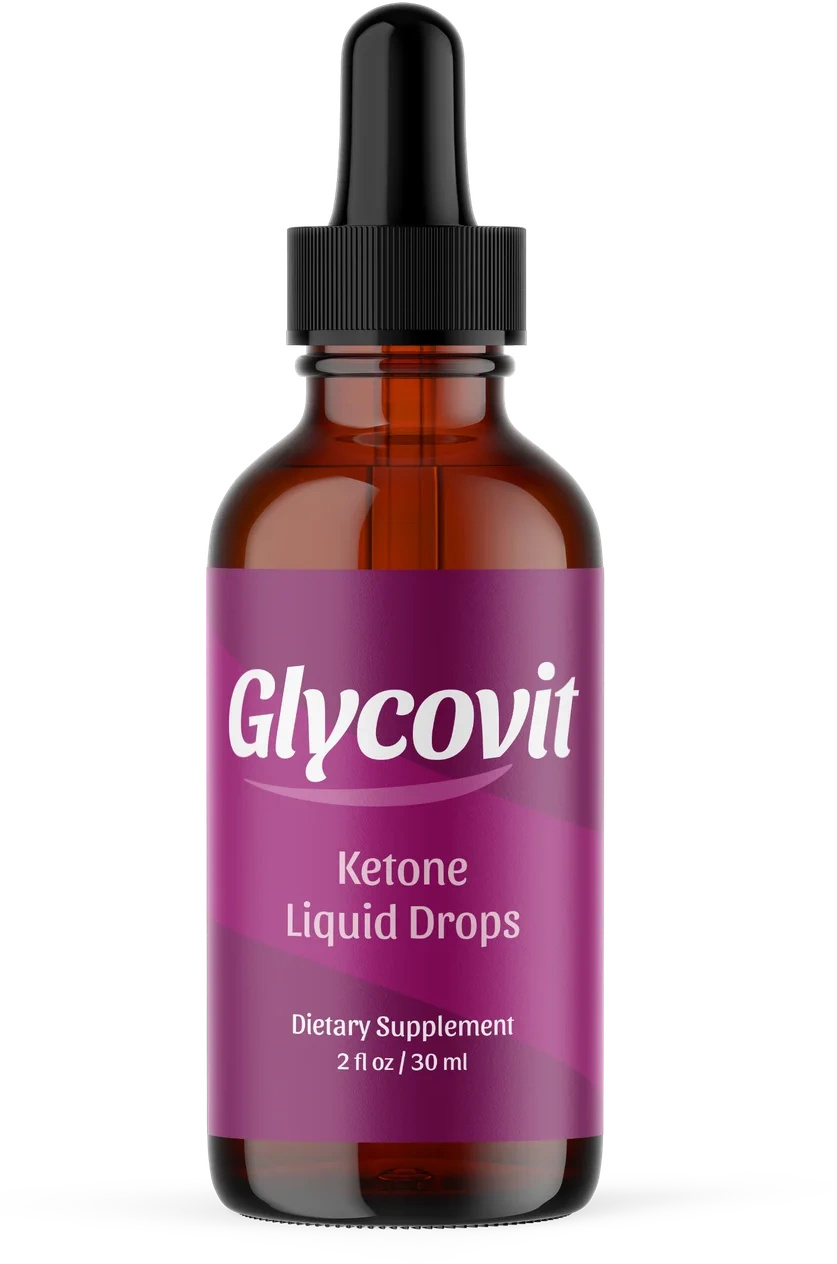
Walk down any supplement aisle and you will meet the same ingredients in two very different forms: hard capsules on one shelf, dropper bottles of liquid on the next. For anyone building a blood-sugar or metabolism routine, the liquid vs capsule question comes up early — usually framed as “which one absorbs better?” The honest answer is more interesting than a simple winner, because format affects not just absorption but dosing, taste, shelf life and, most importantly, whether you actually stick with it. This guide compares liquid vs capsule blood sugar supplements across every dimension that matters, so you can choose the format that fits your life rather than the one with the loudest marketing.
How each format is absorbed
To take anything from a supplement, your body first has to get the active ingredient into solution in the gut, where it can be absorbed. This is where the two formats genuinely differ.
A capsule arrives as a solid. Before absorption can begin, the shell must open and the powder inside must disintegrate and dissolve in your digestive fluids. Modern capsules are designed to do this reliably and fairly quickly, but it is still an extra step, and a small fraction of poorly made products can dissolve slowly or unevenly.
A liquid is already dissolved. Its actives are dispersed in the carrier, so they skip the disintegration step entirely and are presented to the gut lining ready to absorb. In principle this can mean a faster start of absorption. What it does not automatically mean is that dramatically more of the ingredient ends up in your bloodstream — that depends on the specific compound’s chemistry, how fat- or water-soluble it is, and what it is taken with. For many ingredients the practical difference in total absorption is modest. The fair conclusion: liquids have a real, mechanistic head start, but absorption is one factor among several, not a knockout blow for either side.
Dosing flexibility
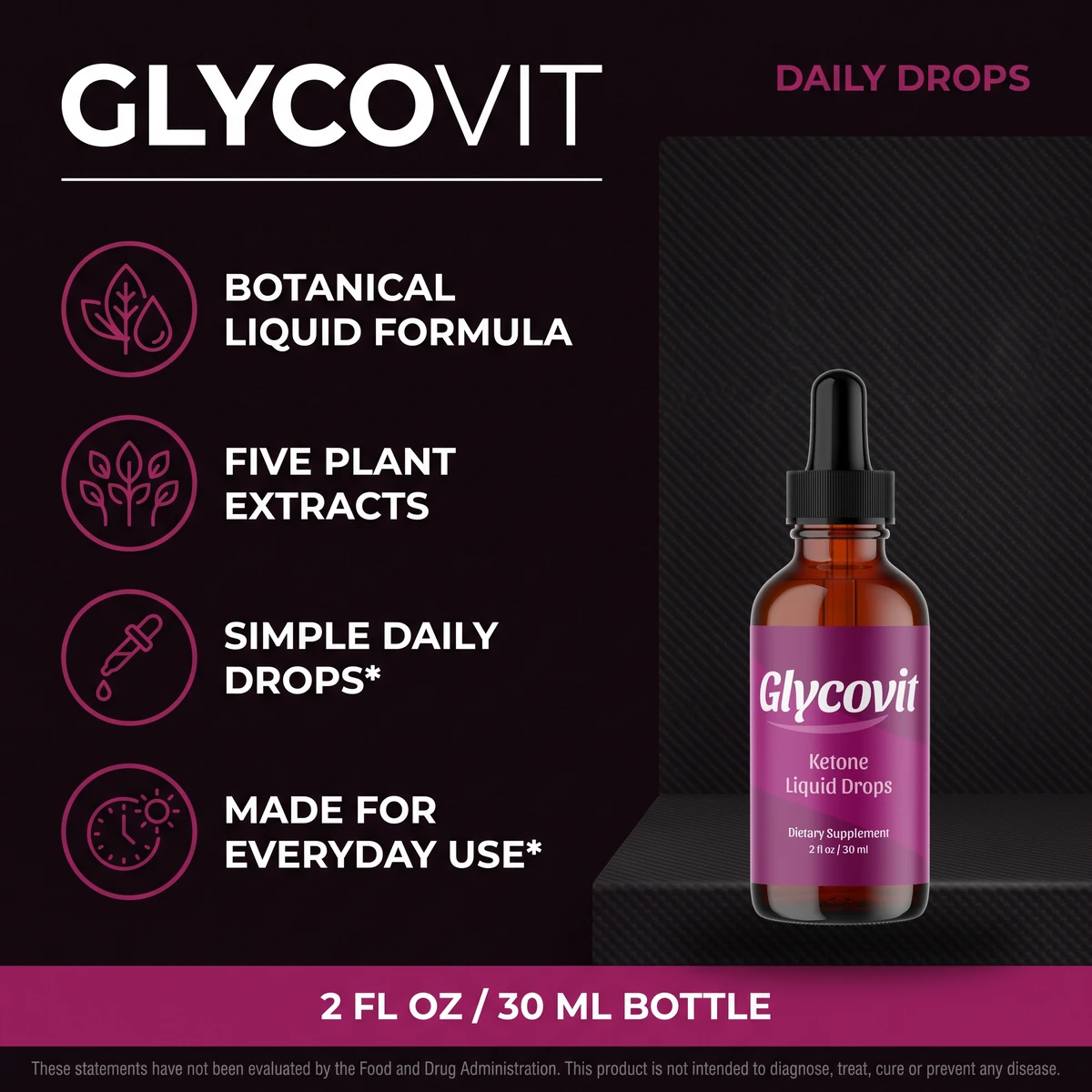
This is where liquids quietly shine. Because you count drops, a liquid lets you fine-tune the amount — easing in with a smaller serving at first, or adjusting within the label’s guidance. That flexibility is helpful for people who are sensitive to new supplements or who like to start low and build up.
Capsules trade that flexibility for precision and simplicity. Each capsule is pre-measured, so a serving is effortless and identical every time, with no measuring and no guesswork. If you value knowing that today’s dose exactly matches yesterday’s without thinking about it, capsules deliver that by design. Neither approach is better in the abstract; they suit different temperaments.
Taste, swallowing and convenience
For a large number of people, the deciding factor is simply getting the thing down. Pill fatigue and difficulty swallowing capsules are real and common, and a supplement you dread taking is a supplement you will eventually skip. Liquids solve that neatly: a dropper under the tongue or in water is easy for almost anyone, including people who never got comfortable with pills.
The flip side is taste. Botanical liquids carry the natural flavour of their plant extracts, which some find pleasant and others find strong; a well-formulated liquid manages this, but it will never be as neutral as a tasteless capsule. Capsules, in turn, win on portability and discretion — easy to carry, no spills, no measuring, ideal for travel or a desk drawer. Weigh which of these frictions you are most likely to run into day to day.
Shelf life and stability
Format also affects how a product ages. Capsules are dry, which generally gives them a long, stable shelf life and good resistance to the everyday ups and downs of temperature and humidity. Liquids contain a carrier and sometimes need a little more care — storing away from heat and light, using within a reasonable window after opening, and keeping the cap sealed. Quality liquids are formulated for stability, but the dry format has a natural edge on longevity. If you buy a multi-bottle supply, check the storage guidance either way.
The strongest evidence for liquids is about swallowing, not absorption
Marketing for liquid supplements usually leads with absorption. The better-supported argument is far more mundane and far more useful: a great many people struggle to swallow solid dose forms at all. A study in the European Journal of Clinical Pharmacology on difficulties swallowing solid oral dosage forms in a general practice population: prevalence, causes, and relationship to dosage forms found the problem is common in ordinary adults, not just the elderly or unwell.
The consequence is measurable. Research in the International Journal of Pharmaceutics on the acceptability of oral solid medicines in older adults with and without dysphagia documents how acceptability shapes whether a product is actually taken. A supplement you abandon in week two delivers nothing, whatever its bioavailability curve says.
On potency, neither format gets a free pass. Analytical work in Food & Function developing a reliable, accessible and transferable method for the quantification of flavanols and procyanidins in foodstuffs and dietary supplements underlines that what a bottle contains has to be measured rather than assumed — and that applies equally to a dropper and to a capsule.
A liquid built for once-daily ease
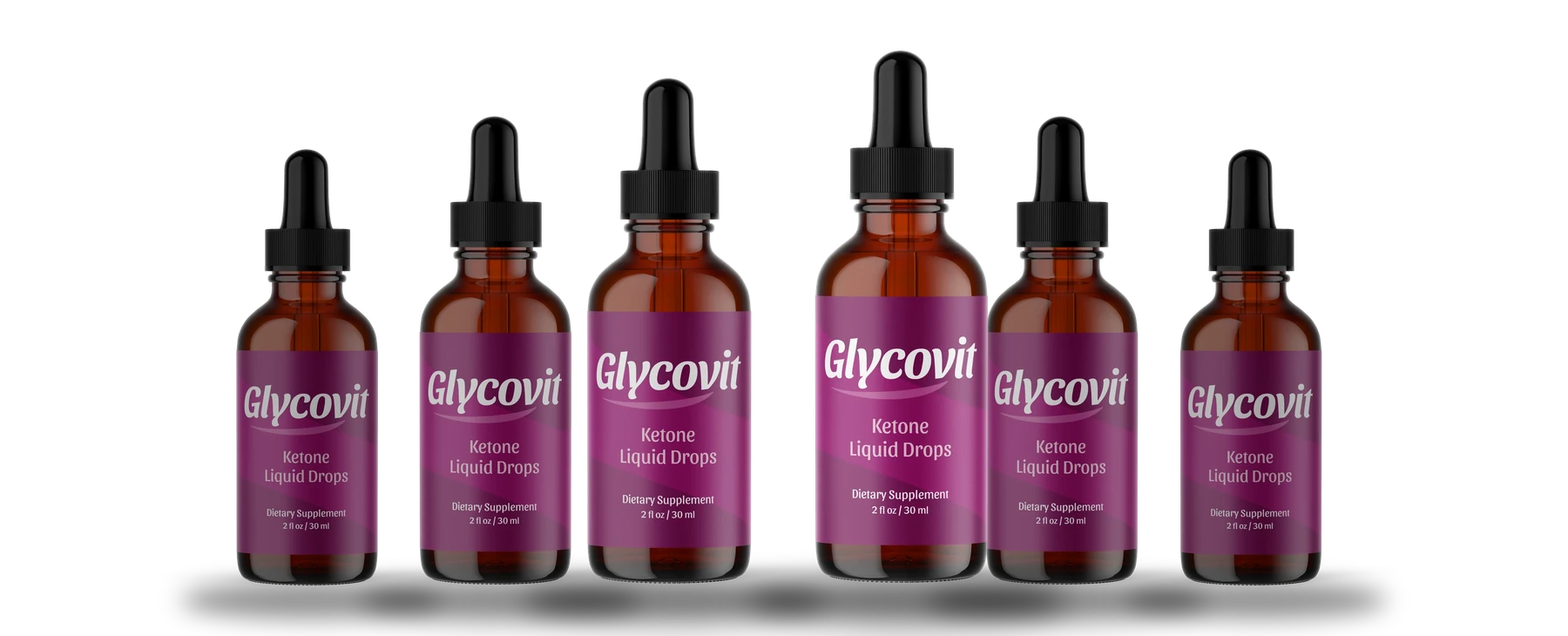
Glycovit™ delivers its botanical blend — green tea, grape seed, gymnema, chromium and more — as a single once-daily liquid, easy to take and easy to keep consistent. Backed by a 60-day money-back guarantee.
Order Glycovit TodayThe factor that beats format: consistency
Here is the point that the whole debate tends to miss. The single biggest determinant of whether a supplement contributes anything is not liquid versus capsule — it is whether you take it consistently. Supportive ingredients work in the background of a steady routine, so the best format is unambiguously the one you will reliably take every day. A perfectly absorbed drop you skip four times a week loses to a capsule you never forget, and vice versa.
This is also why we keep returning readers to the fundamentals. No delivery format changes the fact that your plate, your movement, your sleep and your stress load are the largest influences on your day-to-day glucose rhythm — a theme we develop in supporting healthy blood sugar naturally. And whichever format you choose, the ingredient quality inside it is what really counts, which is exactly what our guide on how to read a blood sugar supplement label helps you evaluate.
How to choose the right format for you
Rather than chasing a universal winner, match the format to your habits and preferences:
- Choose liquid if you dislike or struggle with pills, want flexible drop-by-drop dosing, or like the ritual of a once-daily dropper.
- Choose capsules if you value tasteless, pre-measured, grab-and-go convenience, travel often, or want the longest shelf life.
- Either way, prioritize a clearly labelled, quality-made product with named ingredients and sensible amounts — and set up a cue that makes the daily dose automatic.
If timing is part of your question too, our companion guide on the best time to take blood sugar supplements covers when in the day to fit either format into your routine.
Take the format you will keep
Glycovit™ makes consistency easy with a single daily liquid drop — no pills to swallow, no measuring routine to master. Protected by a 60-day money-back guarantee.
See Glycovit PackagesChoose the format, not the marketing claim
No format turns a supplement into a medicine. Neither a liquid nor a capsule is a treatment for diabetes or prediabetes, and switching format is never a reason to change a prescribed medicine. If you take prescriptions, the question to bring your pharmacist is spacing and interactions, not delivery technology. Be sceptical of any page claiming a specific absorption multiple for a liquid; that figure is almost never measured for the product being sold.
Practical points do favour a dropper for some people: you can take one dropper or two without splitting anything, and there is no capsule to swallow. Against it, liquids need shaking, they have a taste, and once opened they keep for less time than a sealed blister pack. Our label-reading guide shows how to compare two formats fairly, when to take a blood sugar supplement covers building the habit, and supporting healthy blood sugar naturally puts both in proportion. The liquid product this site documents is described on the Glycovit Official Site page.
Frequently asked questions
Are liquid supplements absorbed better than capsules?
Liquids are already dissolved, so they skip the disintegration step a capsule must go through, and this can mean a faster start of absorption. Whether that translates into meaningfully more of the ingredient reaching the bloodstream depends on the specific compound. For many ingredients the practical difference is modest, so absorption is one factor among several rather than a decisive win for either format.
What are the advantages of liquid blood sugar supplements?
Liquids are easy to swallow for people who dislike pills, allow flexible dosing by adjusting the number of drops, and typically begin dissolving immediately. Many people also find a once-daily dropper simple to build into a routine. The trade-offs are taste and the need to measure accurately.
What are the advantages of capsules?
Capsules are convenient, portable, tasteless and pre-measured, which makes consistent dosing effortless. They also tend to have a long, stable shelf life. The trade-offs are that they can be harder to swallow for some people and offer less dosing flexibility than drops.
Does format change how well a supplement works?
The most important factor is usually consistency, not format. A supplement only helps as part of a steady routine, so the best format is the one you will actually take every day. Ingredient quality, dose and standardization matter far more than whether the delivery is a drop or a capsule.
How should I choose between liquid and capsule?
Match the format to your habits. Choose liquid if you dislike pills or want flexible dosing; choose capsules if you value tasteless, grab-and-go convenience. Either way, prioritize a clearly labelled, quality-made product and a routine you can keep.
Is this guidance medical advice?
No. This article is general information only. If you are pregnant, nursing, under 18, taking medication or managing a diagnosed condition, speak with your physician before adding any supplement in any format.
References
- Difficulties swallowing solid oral dosage forms in a general practice population: prevalence, causes, and relationship to dosage forms. Eur J Clin Pharmacol, 2013. PMID 23052416.
- Acceptability of oral solid medicines in older adults with and without dysphagia: A nested pilot validation questionnaire based observational study. Int J Pharm, 2016. PMID 26970368.
- Reliable, accessible and transferable method for the quantification of flavanols and procyanidins in foodstuffs and dietary supplements. Food Funct, 2020. PMID 31932823.
- Office of Dietary Supplements, National Institutes of Health. “Dietary Supplements: What You Need to Know.”
- U.S. Food & Drug Administration. “Dietary Supplements” and “Dietary Supplement Labeling Guide.”
- National Center for Complementary and Integrative Health (NCCIH). “Using Dietary Supplements Wisely.”
- Harvard T.H. Chan School of Public Health, The Nutrition Source. “Should You Take Dietary Supplements?”
- U.S. Pharmacopeia (USP). “Dietary Supplement Verification Program” (general information on quality and dissolution).
- Diabetes and Dietary Supplements: What the Science Says. National Center for Complementary and Integrative Health, National Institutes of Health.
- Preventing Type 2 Diabetes. National Institute of Diabetes and Digestive and Kidney Diseases, National Institutes of Health.
Every PubMed identifier above was re-checked against the NCBI record on 3 September 2026; each linked title is the paper the citation names.
† These statements have not been evaluated by the Food and Drug Administration. This product is not intended to diagnose, treat, cure or prevent any disease. This article is for general information only and is not medical advice. Statements about ingredients describe their traditional or general use. Individual results vary.
Affiliate disclosure: this is an independent guide, not the manufacturer or the seller. Some links on this page go to a retailer that pays us a commission if you buy, at no extra cost to you. It never changes the price you pay or what we write here.