Astragalus Root for Blood Sugar: Benefits, How It Works and What to Look For
| What it is | Astragalus root (Astragalus membranaceus, or Huang Qi) is a classic adaptogenic root from traditional Chinese medicine. |
| How it works | Its polysaccharides and saponins (astragalosides) are studied for antioxidant activity and a supporting role in normal metabolism. |
| Traditional use | Used for centuries to support the body’s everyday balance, resilience and vitality. |
| Label check | Look for the exact species, the root (not aerial parts), standardization to astragalosides or polysaccharides, and GMP manufacturing. |
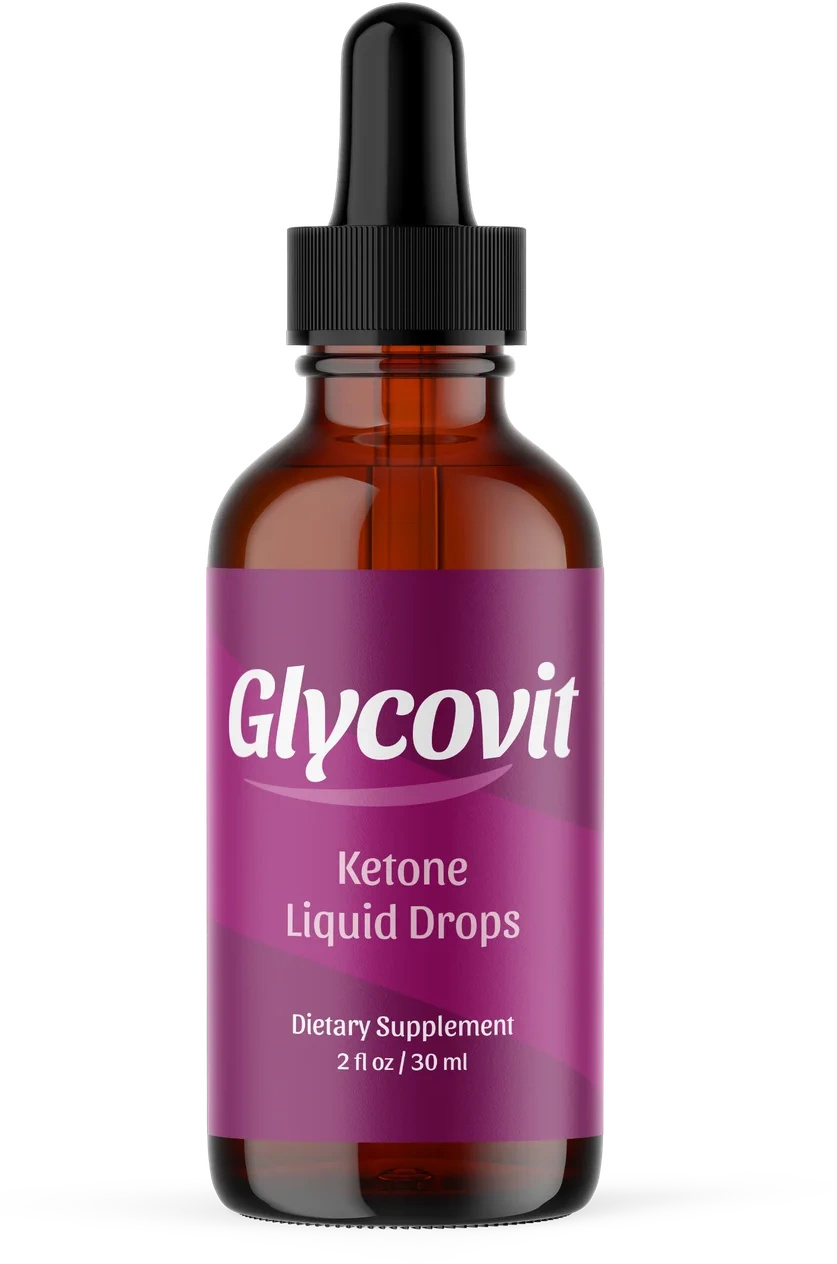
When people compile a list of ingredients for healthy blood sugar, the roll call is usually the same handful of Western favourites — cinnamon, chromium, berberine. Astragalus root for blood sugar is a quieter entry, but it carries one of the longest track records in all of herbal medicine. Known in traditional Chinese medicine as Huang Qi, astragalus has been used for well over two thousand years as a foundational tonic root — and it is one of the botanicals folded into the Glycovit blend. This guide explains what astragalus root actually is, how it is thought to work, the compounds that make it interesting for everyday metabolism, the dosing context you need to make sense of a label, and the safety notes worth knowing before you start.
What astragalus root is
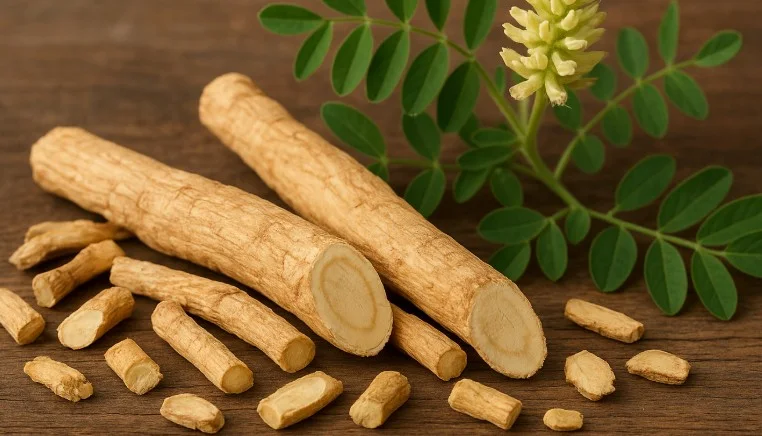
Astragalus is a genus of legume plants, but the one that matters for supplements is Astragalus membranaceus (sometimes written Astragalus mongholicus). The part used is the root, traditionally harvested from four-year-old plants, sliced, and dried into the pale, fibrous strips you may have seen in a herbal apothecary. In traditional Chinese medicine it is classified as a qi tonic — a category of herbs used to support energy, resilience and the body’s everyday balance. That framing is worth holding onto, because astragalus is best understood as a broad-acting tonic root rather than a single-target ingredient.
It is important to name the species precisely. The genus Astragalus is enormous, containing thousands of species, and not all of them are the medicinal tonic root. A quality supplement will always specify Astragalus membranaceus and confirm that the extract comes from the root, not the leaves or stems. That single detail on a label separates a considered formula from a careless one.
How astragalus root works for blood sugar
The interesting chemistry in astragalus falls into three families of compounds. First are the astragalus polysaccharides (often abbreviated APS) — large sugar molecules that are among the most studied constituents of the root. Second are the saponins, a group of plant compounds called astragalosides, of which astragaloside IV is the best-known research marker. Third are flavonoids, the antioxidant pigments common throughout the plant kingdom. Together these give astragalus its characteristic profile.
The mechanism most often discussed in relation to metabolism is antioxidant activity. Everyday metabolism generates oxidative by-products, and the polyphenols and saponins in astragalus are studied for their ability to counter that oxidative stress. Laboratory and traditional-use research has also explored how astragalus polysaccharides interact with the pathways that govern how the body handles glucose and energy. The honest way to describe all of this is that astragalus is studied for a supporting role in normal metabolism — not that it lowers blood sugar or treats any condition. It is a tonic root that contributes to a system you are already looking after, in the same spirit as the habits covered in our guide on supporting healthy blood sugar naturally.
Astragalus as an adaptogen
Astragalus is frequently described as an adaptogen — a term for plants traditionally used to help the body adapt to everyday stress and maintain balance. That reputation matters for blood sugar in an indirect but real way: stress, poor sleep and general depletion all nudge day-to-day glucose rhythms in the wrong direction. A tonic root traditionally used to support resilience and steady energy fits naturally alongside the other levers that shape metabolism. This is also why astragalus keeps company with other classic tonics; if adaptogens interest you, our guide to panax ginseng for blood sugar covers the most famous member of that family.
None of this is a promise of a specific outcome. Adaptogens are supportive by nature — they work with your physiology rather than forcing it. Treated that way, astragalus becomes a sensible background contributor to a routine built on good food, movement and rest, not a headline cure.
Dosing context: root, decoction and extract
Astragalus is dosed very differently depending on the format, which is exactly why “how much” has no single answer:
- Traditional decoction. In classical preparations, several grams of dried root are simmered into a broth or tea. This is a food-like, low-concentration approach.
- Concentrated extract. Modern capsules and liquids use a far smaller amount of a concentrated extract, often described by an extract ratio (for example 10:1) or standardized to a percentage of astragalosides or polysaccharides.
- Blended formula. In a multi-ingredient blend like Glycovit, astragalus contributes a modest, complementary amount alongside other botanicals rather than a stand-alone mega-dose.
The practical takeaway is that the number on one product tells you little about another unless you also know the format and the standardization. Consistency — a steady daily amount — matters far more than chasing a large single dose, which is true of virtually every supportive botanical.
What to look for on an astragalus label
Reading an astragalus entry on a supplement facts panel comes down to a short checklist:
- The exact species. Look for “Astragalus membranaceus” spelled out. A named species signals a maker who knows the ingredient.
- The plant part. It should say root. The root is the medicinal part; aerial parts are not the same thing.
- Standardization. “Standardized to astragalosides” or “to polysaccharides” means each serving is consistent batch to batch.
- Manufacturing signals. GMP certification, a registered facility and third-party testing point to real quality control.
The same label logic applies to every active in a blend. If you want to see it worked through for two very different ingredients, our guides on chromium for blood sugar and grape seed extract for blood sugar apply the identical checklist to a trace mineral and a polyphenol extract.
Where the astragalus research is strong, and where it is still preclinical
Astragalus has a long traditional record and a research literature dominated by laboratory and animal work rather than large human trials. A 2024 review in Frontiers in Pharmacology set out the potential of astragalus polysaccharide for treating diabetes and its action mechanism, describing pathways observed in cell and animal models — which is a description of a mechanism, not proof of a clinical effect in people.
An earlier systematic review in Mini Reviews in Medicinal Chemistry catalogued the biological active ingredients of the traditional Chinese herb Astragalus membranaceus studied in the treatment of diabetes, separating the polysaccharide fraction from the saponins and flavonoids that also appear in the root.
Interest has since narrowed to specific complications: a 2026 review in Phytomedicine covers Astragalus membranaceus active components in regulating diabetic microvascular complications. Note what that means for a supplement shopper — that research is about people already living with a diagnosis and under medical care, which is a different question from supporting blood sugar that is already in the normal range.
A classic tonic root, folded into a daily drop
Glycovit™ pairs astragalus root with green tea, grape seed, gymnema, chromium and more in a single once-daily liquid — a simple way to keep a sensible everyday amount consistent. Backed by a 60-day money-back guarantee.
Order Glycovit TodayWhere astragalus fits in the bigger picture
It would be a mistake to expect any single botanical to carry your whole metabolic strategy, and astragalus is no exception. The largest, most reliable influences on your day-to-day glucose rhythm are still your plate, your movement, your sleep and your stress load. Astragalus is a supporting player — a tonic root traditionally used to help the body stay resilient and balanced, which is a helpful backdrop to those bigger levers rather than a replacement for them.
That is also the logic behind putting astragalus in a blend rather than selling it alone. Combined with a trace mineral like chromium and complementary botanicals such as green tea and gymnema, each ingredient plays a modest, deliberate role, and the whole is designed to be an unremarkable, sensible part of a daily routine.
Who should be cautious
Astragalus root has a long history of safe traditional use, but a few groups should take extra care. Because it is traditionally used to support immune balance, anyone taking immunosuppressant medication or living with an autoimmune condition should speak with a clinician before use. Anyone who is pregnant or nursing, anyone under 18, and anyone taking medication that affects blood sugar should also consult their physician first. This is standard, sensible practice, and it is the single most useful step you can take before adding any new botanical to your routine.
Two thousand years of tradition, one daily habit
Glycovit™ brings astragalus together with a botanical blend you take once a day — no decoctions to simmer, just a steady daily drop. Protected by a 60-day money-back guarantee.
See Glycovit PackagesPractical cautions before adding astragalus
Astragalus is a dietary ingredient, not a drug, and nothing here is a treatment for diabetes or prediabetes. Never stop or adjust a prescribed medicine because you have started an adaptogenic root. If you have an autoimmune condition or take immunosuppressant or anticoagulant medication, ask a clinician before you begin, because astragalus is traditionally described as an immune-active plant and that is exactly the interaction worth a professional opinion.
Astragalus almost never appears alone. It is usually blended with other extracts, so the practical skill is reading the panel: our guide to reading a blood sugar supplement label explains what a proprietary blend hides, Panax ginseng for blood sugar covers the other classic adaptogen in the same category, and chromium for blood sugar covers the mineral it is most often paired with. The label for the product reviewed on this site is reproduced on the Glycovit Official Site page.
Frequently asked questions
How does astragalus root work for blood sugar?
Astragalus root is a traditional adaptogen rich in polysaccharides and saponins called astragalosides. In laboratory and traditional-use contexts it is studied for its antioxidant activity and its role in supporting normal metabolism. It is used to support the body’s everyday balance as part of a healthy lifestyle and is not a treatment for any condition.
What are astragalosides and astragalus polysaccharides?
Astragalosides are the characteristic saponins in astragalus root, with astragaloside IV the most studied marker. Astragalus polysaccharides (often abbreviated APS) are large sugar molecules from the root. Both are commonly used to standardize astragalus extracts so each serving is consistent.
How much astragalus root do people take?
Traditional preparations use several grams of dried root as a decoction, while concentrated extracts use far less and are often standardized to a percentage of astragalosides or polysaccharides. Amounts vary widely by product and format, so follow the label and speak with a clinician if you take medication.
Is astragalus the same as astragalus membranaceus?
The astragalus used in supplements is Astragalus membranaceus (also written Astragalus mongholicus), known in traditional Chinese medicine as Huang Qi. The genus Astragalus is large and includes other species, so a quality label names the exact species and the plant part, which should be the root.
Who should be cautious with astragalus?
Because astragalus is traditionally used to support immune balance, people taking immunosuppressant medication or living with an autoimmune condition should be cautious and consult a clinician first. Anyone pregnant, nursing, under 18, or taking medication that affects blood sugar should also speak with a physician before use.
Is astragalus a substitute for medical care?
No. This article is general information only. If you are pregnant, nursing, under 18, taking medication or managing a diagnosed condition, speak with your physician before adding astragalus or any supplement.
References
- The potential of astragalus polysaccharide for treating diabetes and its action mechanism. Front Pharmacol, 2024. PMID 38659573.
- Biological active ingredients of traditional Chinese herb Astragalus membranaceus on treatment of diabetes: a systematic review. Mini Rev Med Chem, 2015. PMID 25723453.
- Current advances and future perspectives of Astragalus membranaceus active components in regulating diabetic microvascular complications. Phytomedicine, 2026. PMID 42492265.
- National Center for Complementary and Integrative Health (NCCIH). “Astragalus” and “Dietary and Herbal Supplements.” National Institutes of Health.
- Office of Dietary Supplements, National Institutes of Health. “Botanical Dietary Supplements: Background Information.”
- Memorial Sloan Kettering Cancer Center. “Astragalus.” About Herbs database.
- Harvard T.H. Chan School of Public Health, The Nutrition Source. “Antioxidants” and “Carbohydrates and Blood Sugar.”
- U.S. Food & Drug Administration. “Dietary Supplement Labeling Guide.”
- Diabetes and Dietary Supplements: What the Science Says. National Center for Complementary and Integrative Health, National Institutes of Health.
- Preventing Type 2 Diabetes. National Institute of Diabetes and Digestive and Kidney Diseases, National Institutes of Health.
Every PubMed identifier above was re-checked against the NCBI record on 3 September 2026; each linked title is the paper the citation names.
† These statements have not been evaluated by the Food and Drug Administration. This product is not intended to diagnose, treat, cure or prevent any disease. This article is for general information only and is not medical advice. Statements about ingredients describe their traditional or general use. Individual results vary.
Affiliate disclosure: this is an independent guide, not the manufacturer or the seller. Some links on this page go to a retailer that pays us a commission if you buy, at no extra cost to you. It never changes the price you pay or what we write here.