Panax Ginseng for Blood Sugar: Benefits, Ginsenosides and Label Tips
| What it is | Panax ginseng is the classic “true” ginseng root, one of the most revered adaptogens in traditional medicine. |
| How it works | Its active saponins, called ginsenosides, are studied for antioxidant activity and a supporting role in normal metabolism and energy. |
| Traditional use | Used for centuries to support vitality, stamina and the body’s response to everyday stress. |
| Label check | Look for the species (Panax ginseng), standardization to ginsenosides, the root, and GMP manufacturing. |
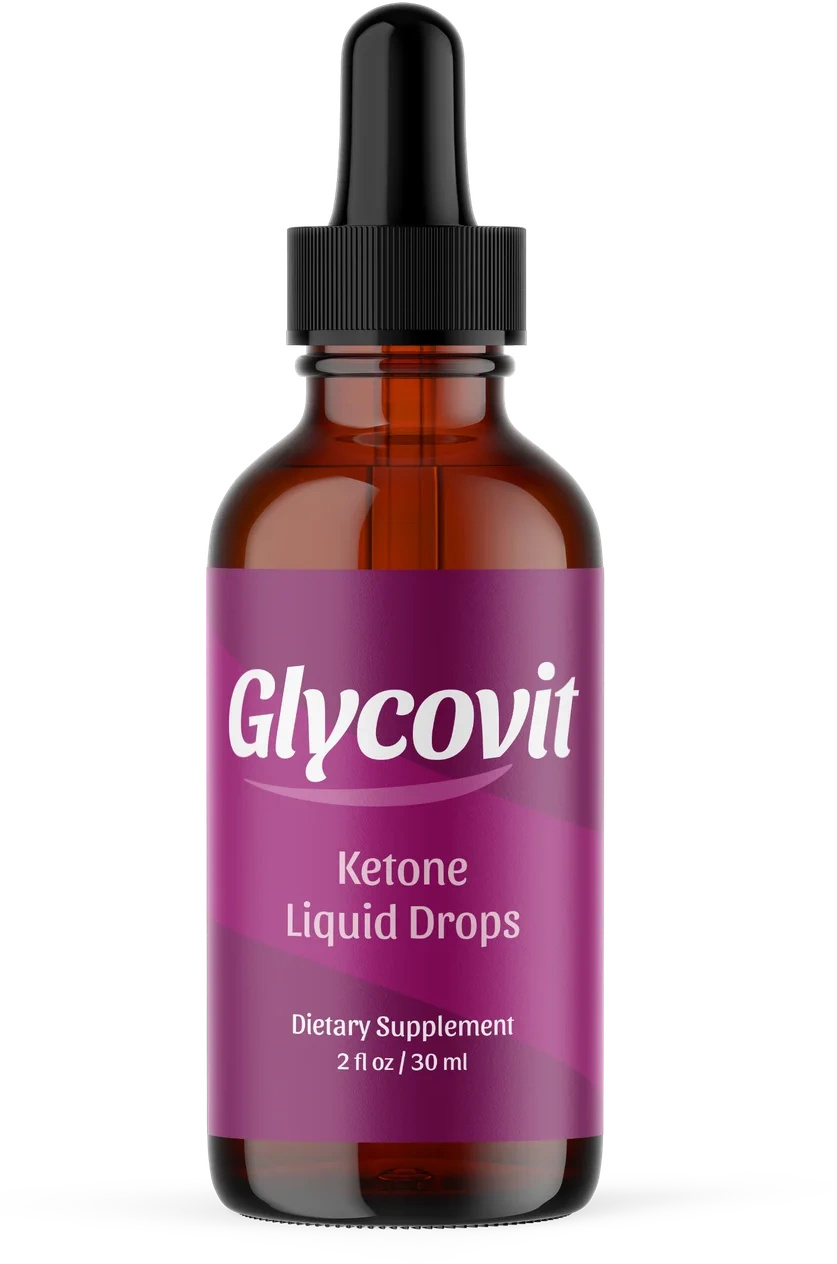
Few botanicals carry the reputation of ginseng. For thousands of years it has been the prized tonic root of East Asian medicine, valued for vitality, stamina and resilience. When people ask about Panax ginseng for blood sugar, they are really asking about one of the most studied adaptogens in the world — and about the family of compounds, the ginsenosides, that make it distinctive. Panax ginseng is one of the botanicals in the Glycovit blend, and this guide explains what it is, how it is thought to work, the crucial difference between the many things labelled “ginseng,” how it is dosed, and what to check on a label.
What Panax ginseng is
Panax ginseng — also called Asian or Korean ginseng — is the classic “true” ginseng. The genus name Panax shares a root with “panacea,” a nod to the sweeping reputation the plant earned in traditional use. The medicinal part is the root, which is slow-growing and, in the case of well-aged specimens, historically prized. In traditional Chinese medicine ginseng sits alongside astragalus in the category of energising tonic roots — and, fittingly, Glycovit pairs the two.
Like all classic tonics, ginseng is best understood as a broad, supportive adaptogen rather than a single-target ingredient. Its long history is one of daily-life resilience: energy that does not spike and crash, and a steadier response to the ordinary stresses of life. If adaptogens interest you, our companion guide on astragalus root for blood sugar covers the other great tonic root in the same family of traditions.
How Panax ginseng works for blood sugar
The active chemistry in ginseng centres on the ginsenosides — a large group of saponin compounds unique to the Panax genus. There are many individual ginsenosides, and together they are responsible for most of the plant’s studied effects. In the research literature, ginsenosides are examined for their antioxidant activity and for a supporting role in the pathways that govern how the body handles energy and glucose.
The adaptogenic angle matters here too. Ginseng is traditionally used to support steady energy and the body’s response to everyday stress — and because stress, fatigue and poor sleep all influence day-to-day glucose rhythms, a tonic that supports resilience fits naturally alongside the metabolic conversation. The honest, compliant framing is that Panax ginseng is studied for a supporting role in normal metabolism and energy as part of a healthy lifestyle. It does not lower blood sugar and it is not a treatment for any condition; it is a supportive tonic that works with a system you are already looking after through the habits in our guide to supporting healthy blood sugar naturally.
Asian, American and “Siberian” ginseng: know the difference
The word “ginseng” appears on many labels, but not all of them mean the same plant — and this is one of the most useful things a shopper can learn:
- Asian / Korean ginseng (Panax ginseng). The classic true ginseng, traditionally considered more warming and stimulating.
- American ginseng (Panax quinquefolius). Also a true Panax ginseng with ginsenosides, traditionally considered more cooling and calming.
- “Siberian ginseng” (eleuthero, Eleutherococcus senticosus). Despite the name, this is not a true ginseng and contains no ginsenosides. It is a distinct adaptogen with its own compounds.
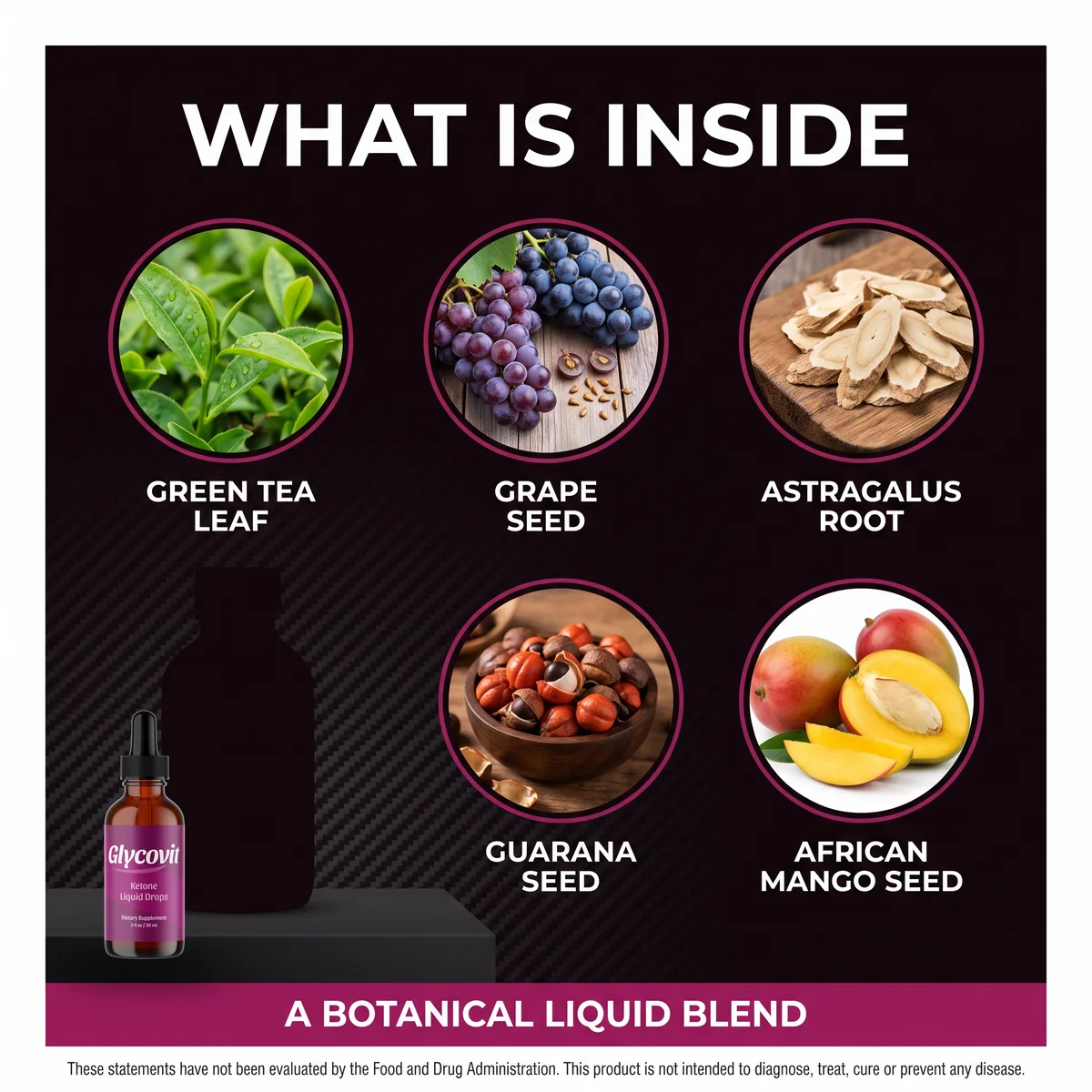
Interestingly, the Glycovit blend includes both Panax ginseng and eleuthero — two different adaptogens rather than duplicates — which is a good example of why reading the exact botanical name matters. A label that simply says “ginseng” without a species is telling you less than it should.
Dosing context: standardization and cycling
Ginseng dosing revolves around two ideas — standardization and moderation:
- Standardized extract. Quality ginseng is usually described by an extract standardized to a percentage of total ginsenosides, which defines the potency and keeps servings consistent.
- Cycling. Traditional use often involves taking ginseng for a period and then pausing, rather than continuously and indefinitely — a sensible, moderate approach for an energising tonic.
- Blended formula. In a multi-ingredient product like Glycovit, ginseng contributes a modest, complementary share alongside other botanicals rather than a stand-alone dose.
Because ginseng can be energising, many people prefer to take it earlier in the day. As always, consistency and moderation beat chasing a large single dose.
What to look for on a ginseng label
The quality checklist for ginseng is specific for a reason — the name alone is not enough:
- The exact species. “Panax ginseng” (or Panax quinquefolius for American) spelled out — not just “ginseng.”
- Standardization to ginsenosides. A stated total ginsenoside percentage is the single best marker of a quality extract.
- The plant part. The root is the traditional medicinal part.
- Manufacturing signals. GMP certification, a registered facility and third-party testing point to real quality control.
The same label logic applies to every active in a blend. If you want to see it worked through for a trace mineral and a sweet-taste botanical, our guides on chromium for blood sugar and gymnema sylvestre for sugar cravings apply the identical checklist.
Two ginsengs, two different sets of results
Ginseng is one of the few botanicals here with a proper pooled analysis behind it. A systematic review and meta-analysis of randomised controlled trials in PLoS One examined the effect of ginseng (the genus Panax) on glycemic control and reported a modest improvement in fasting glucose, alongside considerable variation between studies.
Much of the strongest single-trial evidence is for the American species rather than the Asian one. A trial in Archives of Internal Medicine found that American ginseng (Panax quinquefolius L) reduced postprandial glycemia in nondiabetic subjects and in subjects with type 2 diabetes — one of the reasons the two are not interchangeable on a label.
Asian ginseng has been less consistent. Dose-escalation work in the Journal of the American College of Nutrition reported null and opposing effects of Asian ginseng (Panax ginseng C.A. Meyer) on acute glycemia, meaning that the same genus produced results in different directions depending on the preparation. That is the strongest possible argument for reading which ginseng a product uses, and how it was standardised.
A revered tonic root, folded into a daily drop
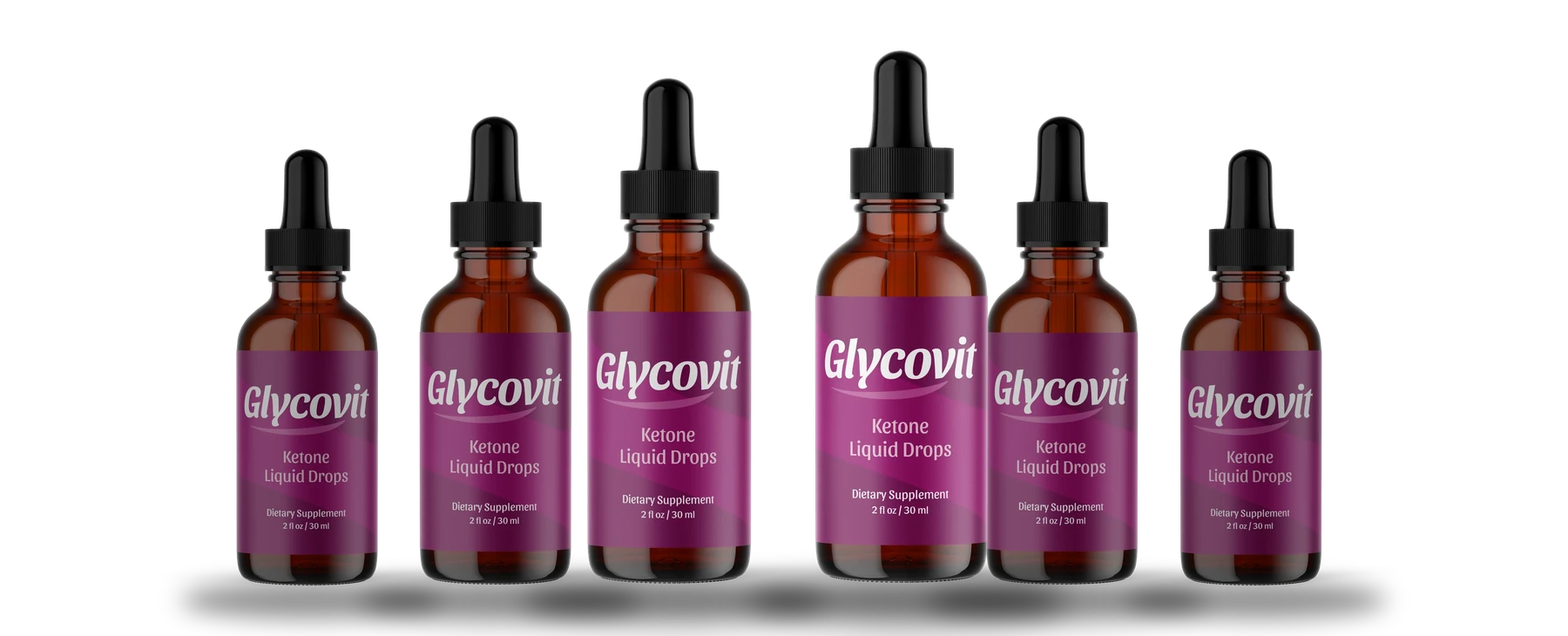
Glycovit™ brings Panax ginseng together with astragalus, green tea, grape seed, chromium and more in a single once-daily liquid — a simple way to keep a sensible everyday amount consistent. Backed by a 60-day money-back guarantee.
Order Glycovit Today
Where Panax ginseng fits in the bigger picture
Ginseng’s long reputation can tempt people to expect too much from it. The realistic view is that Panax ginseng is a supportive adaptogen — a tonic traditionally used to bolster energy and resilience — and that the largest, most reliable influences on your day-to-day glucose rhythm remain your plate, your movement, your sleep and your stress load. Ginseng is a helpful backdrop to those levers, not a replacement for them.
That is exactly why it belongs in a blend. Combined with a second adaptogen (astragalus), a trace mineral (chromium) and complementary polyphenol and fiber ingredients, ginseng plays one modest, deliberate role in a wider whole — a sensible, unremarkable part of a daily routine rather than a headline promise.
Who should be cautious
Panax ginseng has a long history of use, but a few groups should take care. Because it can be energising and may affect blood sugar, anyone taking medication — especially anything that affects blood sugar or blood pressure, or blood thinners — should speak with a clinician first. Ginseng can also affect sleep in sensitive people if taken late in the day. Anyone who is pregnant or nursing, anyone under 18, and anyone managing a diagnosed condition should consult their physician before use. This is standard, sensible practice before adding any new botanical.
Steady energy, one simple habit
Glycovit™ folds Panax ginseng into a botanical blend you take once a day — no measuring, just a steady daily drop. Protected by a 60-day money-back guarantee.
See Glycovit PackagesCautions worth taking seriously
Ginseng is a botanical, not a medicine, and it is not a treatment for diabetes or prediabetes. Do not stop or adjust a prescribed glucose-lowering medicine because you have added it — and because some trials show a real effect on postprandial glucose, tell your prescriber before you start. Ginseng is also documented as interacting with warfarin and with some antidepressants, and it can be stimulating enough to disturb sleep. Discuss it with a clinician if you are pregnant or nursing, have a hormone-sensitive condition, or are booked for surgery.
For the surrounding label, astragalus root for blood sugar covers the other classic adaptogen blended beside it, guarana for blood sugar and energy covers the energy ingredient it is usually paired with, and our label-reading guide shows how to check which species and standardisation you are actually buying. The panax ginseng line on the product this site documents appears on the Glycovit Official Site page.
Frequently asked questions
How does Panax ginseng work for blood sugar?
Panax ginseng is a classic adaptogen whose active compounds, called ginsenosides, are studied for antioxidant activity and for a supporting role in normal metabolism and energy. It is traditionally used to support vitality and the body’s response to everyday stress, and is not a treatment for any condition.
What are ginsenosides?
Ginsenosides are the signature saponin compounds in ginseng and the main markers used to standardize ginseng extracts. There are many individual ginsenosides, and a quality extract states its total ginsenoside content so each serving is consistent.
What is the difference between Asian and American ginseng?
Asian or Korean ginseng is Panax ginseng, traditionally considered more warming and stimulating. American ginseng is Panax quinquefolius, traditionally considered more cooling. Both are true Panax ginsengs with ginsenosides. Siberian ginseng (eleuthero) is a different plant altogether and is not a true ginseng.
How much Panax ginseng do people take?
Amounts vary by product and are usually described by an extract standardized to a percentage of ginsenosides. Traditional use also includes cycling ginseng rather than taking it continuously. In a blend, ginseng contributes a modest share. Follow the label and speak with a clinician if you take medication.
When is the best time to take ginseng?
Because ginseng can be energising, many people prefer to take it earlier in the day rather than in the evening. If you are sensitive to stimulating ingredients, start with a modest amount and see how you respond.
Is Panax ginseng a substitute for medical care?
No. This article is general information only. If you are pregnant, nursing, under 18, taking medication or managing a diagnosed condition, speak with your physician before adding Panax ginseng or any supplement.
References
- The effect of ginseng (the genus panax) on glycemic control: a systematic review and meta-analysis of randomized controlled clinical trials. PLoS One, 2014. PMID 25265315.
- American ginseng (Panax quinquefolius L) reduces postprandial glycemia in nondiabetic subjects and subjects with type 2 diabetes mellitus. Arch Intern Med, 2000. PMID 10761967.
- Null and opposing effects of Asian ginseng (Panax ginseng C.A. Meyer) on acute glycemia: results of two acute dose escalation studies. J Am Coll Nutr, 2003. PMID 14684758.
- National Center for Complementary and Integrative Health (NCCIH). “Asian Ginseng” and “Dietary and Herbal Supplements.” National Institutes of Health.
- Office of Dietary Supplements, National Institutes of Health. “Botanical Dietary Supplements: Background Information.”
- Memorial Sloan Kettering Cancer Center. “Asian Ginseng” and “American Ginseng.” About Herbs database.
- Harvard T.H. Chan School of Public Health, The Nutrition Source. “Antioxidants” and “Carbohydrates and Blood Sugar.”
- U.S. Food & Drug Administration. “Dietary Supplement Labeling Guide.”
- Diabetes and Dietary Supplements: What the Science Says. National Center for Complementary and Integrative Health, National Institutes of Health.
- Preventing Type 2 Diabetes. National Institute of Diabetes and Digestive and Kidney Diseases, National Institutes of Health.
Every PubMed identifier above was re-checked against the NCBI record on 3 September 2026; each linked title is the paper the citation names.
† These statements have not been evaluated by the Food and Drug Administration. This product is not intended to diagnose, treat, cure or prevent any disease. This article is for general information only and is not medical advice. Statements about ingredients describe their traditional or general use. Individual results vary.
Affiliate disclosure: this is an independent guide, not the manufacturer or the seller. Some links on this page go to a retailer that pays us a commission if you buy, at no extra cost to you. It never changes the price you pay or what we write here.