Capsicum and Cayenne for Blood Sugar and Metabolism: How Capsaicin Works
| What it is | Capsicum is the pepper genus; cayenne is a hot chili from it; capsaicin is the warming compound that does the work. |
| How it works | Capsaicin activates the TRPV1 receptor, which is linked to a mild, short-lived rise in thermogenesis (the body’s normal heat production). |
| Best known for | Its role in metabolism-focused formulas, where warmth, energy expenditure and appetite are the themes. |
| Label check | Look for the species (Capsicum annuum), the fruit, any standardization to capsaicinoids, and GMP manufacturing. |
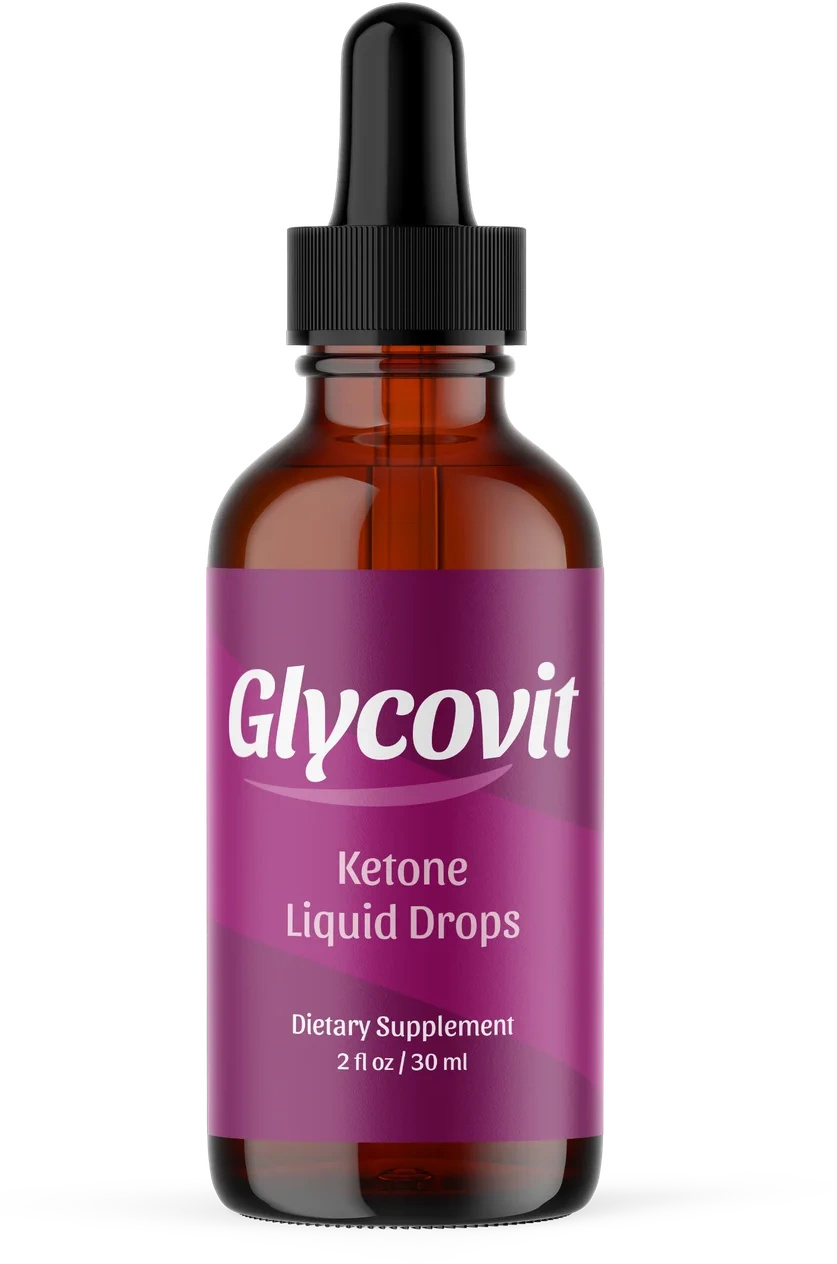
Almost everyone has a direct, physical memory of capsicum — the flush of heat from a spicy meal, the warmth that spreads and then fades. That sensation is not incidental; it is the whole mechanism. Capsicum and cayenne for blood sugar and metabolism is really a story about one remarkable compound, capsaicin, and the way it talks to your nervous system. Capsicum is one of the botanicals inside the Glycovit blend, and this guide explains what capsicum, cayenne and capsaicin actually are, how the warming effect connects to metabolism, what the honest limits of that effect are, and how to read the ingredient on a label.
Capsicum, cayenne and capsaicin: sorting the names
Capsicum is the botanical genus that includes all peppers, from mild bell peppers to fiery chilies. Cayenne is a specific hot chili variety from that genus, long used both as a culinary spice and a traditional remedy. Capsaicin is the single active compound — a member of a family called capsaicinoids — responsible for the heat you feel and for most of the studied effects. In the Glycovit label the ingredient appears as Capsicum annuum fruit extract, which is the standard botanical name for the pepper species most supplements use.
Knowing these three terms are related saves confusion on a label, because a product may list any of them. What they have in common is capsaicin, so the meaningful question for quality is how much capsaicinoid content the extract is standardized to — the same specificity we look for with every active ingredient.
How capsicum works for metabolism and blood sugar
Capsaicin’s signature move is activating a sensory receptor called TRPV1 — the same receptor that registers heat. When capsaicin switches on TRPV1, the body interprets it partly as warmth, and this is linked to a mild, short-lived rise in thermogenesis: the normal production of heat that is part of everyday energy expenditure. That is the core reason capsicum shows up in metabolism-focused formulas: a warming compound that gently nudges the body’s heat production is a plausible, well-studied contributor to overall metabolism.
Capsaicin has also been studied for its influence on appetite and satiety — the observation that a spicier meal can feel more satisfying — and, in the broader research literature, for its interaction with the pathways that govern how the body handles energy and glucose. The honest framing is that capsicum is studied for a supporting role in normal metabolism as part of a healthy lifestyle. It does not burn fat on its own, it is not a blood-sugar treatment, and the thermogenic effect is gentle rather than dramatic. It is best understood as one small, warming contribution among many.

Warming ingredients and the thermogenesis story
Capsicum belongs to a small club of “warming” or thermogenic ingredients that support the body’s normal energy expenditure. It keeps natural company with other metabolism botanicals that work through different routes — for example the polyphenol-and-caffeine profile of green tea for blood sugar. Pairing a warming compound with a polyphenol-rich extract is a common design choice precisely because they contribute through complementary mechanisms rather than duplicating each other.
It is worth being realistic about scale. Thermogenesis from a warming ingredient is a modest, temporary effect, not a metabolic override. The largest, most reliable influences on how your body handles energy and glucose are still the everyday basics — a balanced plate, regular movement, decent sleep and managed stress — which we lay out in our guide to supporting healthy blood sugar naturally. Capsicum is a supportive accent on top of those fundamentals.
Dosing context: small amounts of a potent compound
Because capsaicin is potent, capsicum is used in small amounts, and format matters:
- Culinary spice. As food, chili and cayenne are used freely to taste — a gentle, everyday exposure.
- Standardized extract. Supplements often standardize to a capsaicinoid percentage, so the potency is defined and consistent rather than left to chance.
- Blended formula. In a multi-ingredient product like Glycovit, capsicum contributes a modest, complementary share alongside other botanicals rather than a stand-alone dose.
If you are sensitive to heat, start low. Taking capsicum with food is a simple way to keep the warming sensation comfortable, and it is the reason many blends fold it into a formula you take alongside your day rather than on an empty stomach.
What to look for on a capsicum label
The quality checklist for capsicum is short and specific:
- The species. “Capsicum annuum” spelled out tells you exactly which pepper is used.
- The plant part. It should say fruit (or fruit extract) — the pepper fruit is where capsaicin lives.
- Standardization to capsaicinoids. This defines potency and keeps servings consistent batch to batch.
- Manufacturing signals. GMP certification, a registered facility and third-party testing point to real quality control.
The same logic applies to every active in a blend. If you want to see the checklist worked through for a mineral and a polyphenol, our guides on chromium for blood sugar and grape seed extract for blood sugar apply it to two very different ingredients.
What capsaicin has been measured doing in people
Capsicum research is unusual in this category because a good deal of it involves real food rather than an isolated extract. A 2016 trial in Clinical Nutrition reported that capsaicin-containing chili improved postprandial hyperglycemia, hyperinsulinemia and fasting lipid disorders in women with gestational diabetes mellitus — a specific population under medical supervision, which is worth holding in mind before generalising the result.
A 2022 study in Frontiers in Physiology found that both caffeine and Capsicum annuum fruit powder lowered blood glucose levels and increased brown adipose tissue temperature in healthy adult males, which is closer to the healthy-adult question most readers are asking, though the sample was small and the effect measured over hours rather than months.
The thermogenic story is older still. Work published in Medicine & Science in Sports & Exercise in 1997 showed that dietary red pepper ingestion increases carbohydrate oxidation at rest and during exercise in runners. Together these describe a plausible mechanism and some short-term measurements — not a demonstrated long-term benefit, and not evidence about a proprietary blend.
A warming botanical, folded into a daily drop
Glycovit™ brings capsicum together with green tea, grape seed, astragalus, chromium and more in a single once-daily liquid — a simple way to keep a sensible everyday amount consistent. Backed by a 60-day money-back guarantee.
Order Glycovit TodayWhere capsicum fits in the bigger picture
Capsicum is a good reminder that a supportive ingredient can be genuinely interesting without being a magic bullet. The thermogenic, appetite-related and metabolic angles are all real areas of study, but each is a gentle, complementary effect — the kind of small contribution that adds up only inside a routine built on solid habits. No warming compound replaces a balanced plate or regular movement.
That is precisely why capsicum belongs in a thoughtfully designed blend rather than as a stand-alone shortcut. Combined with polyphenol extracts, an adaptogenic root, a fiber-rich seed and a trace mineral, it plays one modest, warming role in a wider whole — an unremarkable, sensible part of a daily routine.
Who should be cautious
Culinary amounts of capsicum are familiar to most people, but concentrated extracts warrant a little care. Capsaicin can be irritating in sensitive individuals, and some people notice digestive discomfort or heartburn. Because capsaicin can interact with certain medications and may affect the stomach, anyone taking medication — especially blood thinners, acid-reducing drugs or anything affecting blood sugar — should speak with a clinician first. Anyone who is pregnant or nursing, anyone under 18, and anyone managing a diagnosed condition should also consult their physician before use. Start low if you are heat-sensitive.
A little warmth, one simple habit
Glycovit™ folds capsicum into a botanical blend you take once a day — no capsules, just a steady daily drop. Protected by a 60-day money-back guarantee.
See Glycovit PackagesWho should be careful with capsicum
Capsicum is a food ingredient and it is not a treatment for diabetes or prediabetes. If you are on glucose-lowering medication, keep taking it exactly as prescribed and tell the prescriber before adding a capsaicin supplement rather than after. Concentrated capsicum can also irritate the stomach in a way that a meal of chili does not, so anyone with reflux, gastritis or an ulcer should ask a clinician first, and anyone on blood-thinning medication should raise it as well.
Capsicum rarely travels alone on a metabolic label. The same questions apply to raspberry ketones for metabolism and blood sugar and to African mango seed extract, both of which sit beside it in most blends, while green tea for blood sugar covers the other thermogenic ingredient it is usually paired with. The full panel for the product this site documents is on the Glycovit Official Site page.
Frequently asked questions
How does capsicum work for metabolism and blood sugar?
Capsicum owes its warmth to capsaicin, which activates a sensory receptor called TRPV1. That activation is linked to a mild, short-lived rise in thermogenesis, the body’s normal heat production, and is studied for a supporting role in metabolism. Capsicum is not a treatment for any condition.
What is the difference between capsicum, cayenne and capsaicin?
Capsicum is the plant genus that includes chili and bell peppers. Cayenne is a specific hot chili from that genus. Capsaicin is the active compound responsible for the heat and for most of the studied effects. Supplements may list any of these terms, so it helps to know they are related.
What is thermogenesis?
Thermogenesis is the body’s normal production of heat, part of everyday energy expenditure. Warming compounds like capsaicin are studied for a mild, temporary influence on thermogenesis, which is why capsicum appears in metabolism-focused formulas. The effect is gentle and supportive, not dramatic.
How much capsicum do people take?
Amounts are small because capsaicin is potent, and products are often standardized to a capsaicinoid content. In a blended formula, capsicum contributes a modest share alongside other botanicals. Follow the label, start low if you are sensitive, and speak with a clinician if you take medication.
Can capsicum cause side effects?
Some people experience a warming sensation, mild digestive discomfort or heartburn, especially on an empty stomach. Starting low and taking it with food helps. If you have a sensitive stomach or take medication, speak with your physician before use.
Is capsicum a substitute for medical care?
No. This article is general information only. If you are pregnant, nursing, under 18, taking medication or managing a diagnosed condition, speak with your physician before adding capsicum or any supplement.
References
- Capsaicin-containing chili improved postprandial hyperglycemia, hyperinsulinemia, and fasting lipid disorders in women with gestational diabetes mellitus and lowered the incidence of large-for-gestational-age newborns. Clin Nutr, 2016. PMID 25771490.
- Both caffeine and Capsicum annuum fruit powder lower blood glucose levels and increase brown adipose tissue temperature in healthy adult males. Front Physiol, 2022. PMID 36017333.
- Dietary red pepper ingestion increases carbohydrate oxidation at rest and during exercise in runners. Med Sci Sports Exerc, 1997. PMID 9139174.
- National Center for Complementary and Integrative Health (NCCIH). “Cayenne” and “Dietary and Herbal Supplements.” National Institutes of Health.
- Harvard T.H. Chan School of Public Health, The Nutrition Source. “Chili Peppers” and “Carbohydrates and Blood Sugar.”
- Office of Dietary Supplements, National Institutes of Health. “Botanical Dietary Supplements: Background Information.”
- Memorial Sloan Kettering Cancer Center. “Capsaicin.” About Herbs database.
- U.S. Food & Drug Administration. “Dietary Supplement Labeling Guide.”
- Diabetes and Dietary Supplements: What the Science Says. National Center for Complementary and Integrative Health, National Institutes of Health.
- Preventing Type 2 Diabetes. National Institute of Diabetes and Digestive and Kidney Diseases, National Institutes of Health.
Every PubMed identifier above was re-checked against the NCBI record on 3 September 2026; each linked title is the paper the citation names.
† These statements have not been evaluated by the Food and Drug Administration. This product is not intended to diagnose, treat, cure or prevent any disease. This article is for general information only and is not medical advice. Statements about ingredients describe their traditional or general use. Individual results vary.
Affiliate disclosure: this is an independent guide, not the manufacturer or the seller. Some links on this page go to a retailer that pays us a commission if you buy, at no extra cost to you. It never changes the price you pay or what we write here.