Raspberry Ketones for Metabolism and Blood Sugar: What They Are and How They Work
| What it is | Raspberry ketone is the natural aroma compound that gives red raspberries their scent — chemically 4-(4-hydroxyphenyl)butan-2-one. |
| How it works | Its structure resembles compounds like capsaicin, which is why it was studied for a possible role in fat metabolism and the hormone adiponectin. |
| The honest limits | Most evidence is from lab and animal studies; strong human data is very limited. Treat it as a minor supporting player, not a fat-burner. |
| Label check | Look for the amount per serving in milligrams, natural or synthesized source (both legitimate), GMP manufacturing — and be wary of hype. |
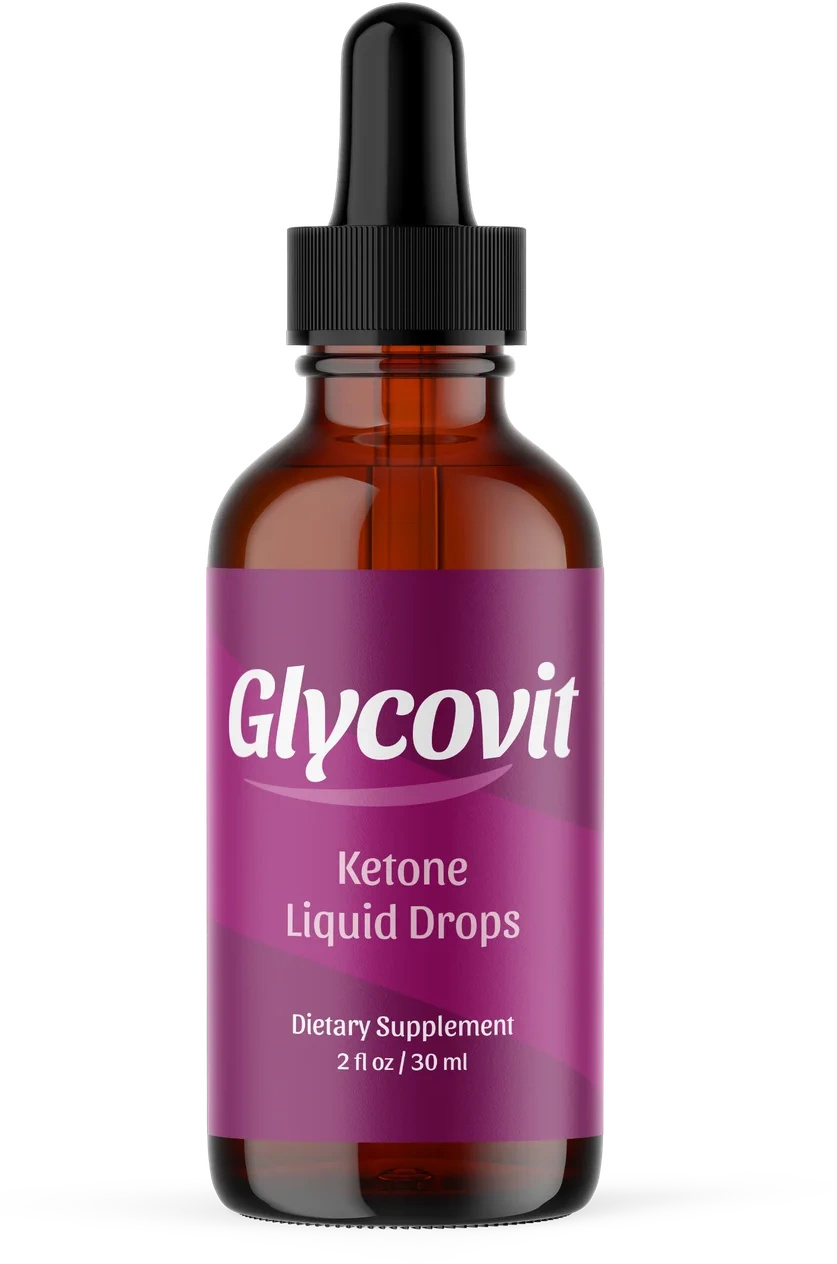
Few supplement ingredients have ridden a hype wave quite like raspberry ketones. A decade ago they were being marketed as a miracle metabolism booster; today a more sober picture has settled in. Somewhere between the two sits the truth — a genuinely interesting aroma molecule with a modest, honestly limited body of evidence. This guide takes the same measured, mechanism-first look at raspberry ketones for metabolism and blood sugar that we apply to every ingredient in the Glycovit formula: what the compound actually is, why researchers got interested, what the science does and does not support, the dosing context, and how to read a label without being swept up in marketing.
What raspberry ketones are
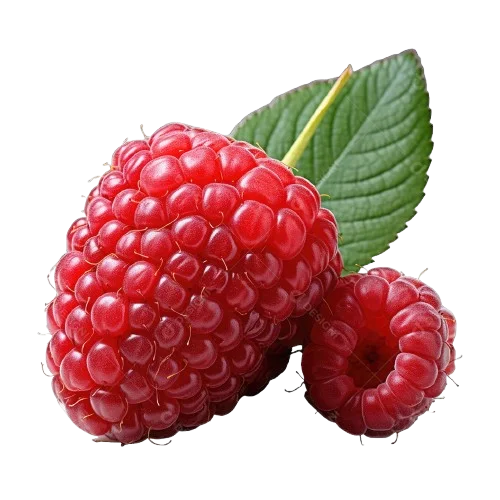
Raspberry ketone is the principal aroma compound of the red raspberry — the molecule your nose registers as “raspberry.” Its formal chemical name is 4-(4-hydroxyphenyl)butan-2-one, and it belongs to a family of phenolic ketones. It is widely used as a natural flavour and fragrance ingredient in foods, drinks and cosmetics, which is where most people first encounter it without realizing.
Here is the fact that surprises people most: fresh raspberries contain only trace amounts of it. To gather a typical supplement dose from whole fruit you would need pounds upon pounds of raspberries, which is neither practical nor affordable. As a result, virtually all raspberry ketone in supplements is produced by commercial synthesis or fermentation rather than extracted from berries. That is entirely normal — the resulting molecule is identical either way — but it is worth knowing, because a label implying you are getting concentrated fruit is being loose with the story.
How raspberry ketones are thought to work
The scientific interest in raspberry ketone began with its structural resemblance to two compounds already studied in metabolism: capsaicin, the warming compound in chili peppers, and synephrine, a stimulant-like molecule from bitter orange. Researchers reasoned that a molecule shaped like these might share some of their metabolic activity. If the capsaicin angle interests you, our guide on capsicum and cayenne for blood sugar explains that mechanism in detail.
In laboratory and animal studies, raspberry ketone has been observed to influence fat metabolism — specifically the breakdown of stored fat (lipolysis) — and to affect levels of adiponectin, a hormone secreted by fat cells that plays a role in how the body handles glucose and fat. Because adiponectin is linked to insulin sensitivity, this is the thread that connects raspberry ketone to the blood-sugar conversation. It is a plausible, mechanism-level rationale for including it in a metabolism-focused formula.
The honest limits of the evidence
This is where responsible writing matters most. The encouraging results for raspberry ketone come overwhelmingly from cell and animal studies, often using doses far higher, relative to body weight, than a person would ever take. Well-designed human trials of raspberry ketone on its own are scarce, and the few available are small and typically combine it with other ingredients, making it impossible to attribute any effect to the ketone alone.
So the honest position is straightforward: raspberry ketone is studied for a supporting role in metabolism, and it is not a proven fat-burner, and it does not lower blood sugar or treat any condition. If you have seen it sold with dramatic weight-loss promises, those claims run well ahead of the evidence. We think the sensible way to treat raspberry ketone is as one modest, complementary contributor within a broader formula — never as a stand-alone shortcut.
Dosing context
Because the human evidence is thin, there is no established “correct” dose of raspberry ketone, and amounts on the market vary widely. A few principles still hold:
- More is not automatically better. The eye-catching lab results used very high doses that do not translate to people; chasing a mega-dose is not supported.
- Format matters. Raspberry ketone appears as a stand-alone capsule and as one ingredient among many in a blend. In a blend like Glycovit it contributes a small, complementary amount alongside better-established actives.
- Consistency over intensity. As with virtually every supportive ingredient, a steady daily amount within a sensible routine is more meaningful than an occasional large dose.
The broader point is one we make about every active: the number on one product tells you little without context. That is exactly the discipline our guide on how to read a blood sugar supplement label is built to teach.
What to look for on a raspberry ketone label
Reading a raspberry ketone entry comes down to a short, skeptical checklist:
- Amount per serving. It should be stated in milligrams, not hidden inside a proprietary blend.
- Source honesty. Whether it is naturally derived or synthesized, both are legitimate — but a label implying it is squeezed from whole berries is overselling.
- No miracle claims. Language like “melts fat” or “guaranteed weight loss” is a red flag, not a feature. Compliant, honest labelling is the sign of a serious maker.
- Manufacturing signals. GMP certification, a registered facility and third-party testing point to real quality control.
The evidence gap you should know about before you buy
Raspberry ketones are the clearest example on this label of a popular ingredient whose research is almost entirely preclinical. The most-cited work, published in Planta Medica, reported that raspberry ketone increases both lipolysis and fatty acid oxidation in 3T3-L1 adipocytes — a mouse-derived fat cell line in a dish, not a person.
The animal literature runs in the same direction. A paper in Life Sciences described the anti-obese action of raspberry ketone in rodents, and later work in Pharmaceutical Biology found that raspberry ketone, a naturally occurring phenolic compound, inhibits adipogenic and lipogenic gene expression in 3T3-L1 adipocytes.
What is missing is the part that would matter to you: adequate randomised controlled trials in humans, at doses a supplement can realistically deliver. The concentrations used in these cell studies are not comparable to what a share of a 200 mg blend supplies. Anyone quoting these papers as proof of a fat-loss or blood sugar effect in people is over-reading them, and we would rather say so than repeat the claim.
A supporting player, not a shortcut
Glycovit™ folds raspberry ketone into a blend led by better-established actives — green tea, grape seed, gymnema, chromium and more — in a single once-daily liquid. Backed by a 60-day money-back guarantee.
Order Glycovit TodayWhere raspberry ketones fit in the bigger picture
If there is one message to carry away, it is this: no aroma molecule is going to reshape your metabolism by itself, and a supplement that promises otherwise is telling you more about its marketing than its contents. The largest, most reliable influences on your day-to-day glucose rhythm remain your plate, your movement, your sleep and your stress load — the fundamentals we cover in our guide on supporting healthy blood sugar naturally.
Within that context, raspberry ketone is a minor, complementary ingredient with an interesting mechanistic rationale and honestly limited proof. That is precisely why we think it belongs, if at all, inside a thoughtfully built blend rather than in a bottle of its own sold on hype. Combined with a trace mineral like chromium and antioxidant botanicals, it plays a small, deliberate role in a formula designed to be a sensible part of a daily routine.
Who should be cautious
Raspberry ketone is widely used as a food flavouring and is generally considered safe in those amounts, but supplement doses are far higher and less studied. Anyone who is pregnant or nursing, anyone under 18, anyone sensitive to stimulant-like ingredients, and anyone taking medication that affects blood sugar should speak with a clinician before use. Above all, be skeptical of dramatic claims and treat raspberry ketone as the minor supporting player the evidence says it is. Consulting your physician before adding any new supplement is the single most useful step you can take.
One daily drop, honestly formulated
Glycovit™ brings raspberry ketone together with a botanical blend you take once a day — no hype, just a steady daily drop. Protected by a 60-day money-back guarantee.
See Glycovit PackagesHow to judge a raspberry ketone claim
Treat raspberry ketones as an aroma compound with an interesting mechanism and an unproven human effect. They are not a treatment for diabetes, prediabetes or obesity, and no supplement containing them is a reason to change a prescribed medicine. If you are pregnant, nursing, under 18 or taking any prescription, ask a pharmacist before adding one. Be especially wary of listings that promise a specific weight loss figure — there is no human trial supporting a number, and a promise of one tells you what kind of seller you are dealing with.
The same evidence test is worth applying to the ingredients that usually sit beside it: African mango seed extract has genuine human trials, if small ones, while capsicum and cayenne sit somewhere in between. Our label-reading guide explains how a proprietary blend can hide how little of any of them is present. The full panel for the product this site documents is on the Glycovit Official Site page.
Frequently asked questions
What are raspberry ketones?
Raspberry ketone is the natural aroma compound (chemically 4-(4-hydroxyphenyl)butan-2-one) that gives red raspberries their scent. It is structurally similar to compounds like capsaicin and synephrine, which is why it was studied for a possible role in metabolism. In supplements it is used to support everyday metabolism as part of a healthy lifestyle and is not a treatment for any condition.
Do raspberry ketones help with metabolism and blood sugar?
Interest in raspberry ketones comes mainly from laboratory and animal studies suggesting effects on fat metabolism and the hormone adiponectin. High-quality human evidence is very limited, so the honest position is that raspberry ketones are studied for a supporting role in metabolism, not proven to change blood sugar or cause weight loss on their own.
How much raspberry ketone is in actual raspberries?
Very little. Fresh raspberries contain only trace amounts, so you would need an impractical quantity of fruit to reach a supplement dose. Almost all raspberry ketone used in supplements and foods is produced through commercial synthesis or fermentation, which is normal and does not make it lower quality.
What should I look for on a raspberry ketone label?
Look for the amount per serving in milligrams, whether it is naturally derived or synthesized (both are legitimate), and GMP manufacturing. Be cautious of exaggerated fat-burning claims, which are a red flag rather than a sign of a quality product.
Who should be cautious with raspberry ketones?
Anyone who is pregnant, nursing, under 18, sensitive to stimulant-like ingredients, or taking medication that affects blood sugar should speak with a clinician before use. As with any supplement, treat it as a minor supporting player and be skeptical of dramatic claims.
Is raspberry ketone a substitute for medical care?
No. This article is general information only. If you are pregnant, nursing, under 18, taking medication or managing a diagnosed condition, speak with your physician before adding raspberry ketone or any supplement.
References
- Raspberry ketone increases both lipolysis and fatty acid oxidation in 3T3-L1 adipocytes. Planta Med, 2010. PMID 20425690.
- Anti-obese action of raspberry ketone. Life Sci, 2005. PMID 15862604.
- Raspberry ketone, a naturally occurring phenolic compound, inhibits adipogenic and lipogenic gene expression in 3T3-L1 adipocytes. Pharm Biol, 2015. PMID 25429790.
- National Center for Complementary and Integrative Health (NCCIH). “Weight Control” and “Dietary and Herbal Supplements.” National Institutes of Health.
- Office of Dietary Supplements, National Institutes of Health. “Dietary Supplements for Weight Loss.”
- Harvard T.H. Chan School of Public Health, The Nutrition Source. “Carbohydrates and Blood Sugar” and “Fats and Cholesterol.”
- U.S. Food & Drug Administration. “Dietary Supplement Products & Ingredients” and “Dietary Supplement Labeling Guide.”
- U.S. Federal Trade Commission. “Dietary Supplements: An Advertising Guide for Industry.”
- Diabetes and Dietary Supplements: What the Science Says. National Center for Complementary and Integrative Health, National Institutes of Health.
- Preventing Type 2 Diabetes. National Institute of Diabetes and Digestive and Kidney Diseases, National Institutes of Health.
Every PubMed identifier above was re-checked against the NCBI record on 3 September 2026; each linked title is the paper the citation names.
† These statements have not been evaluated by the Food and Drug Administration. This product is not intended to diagnose, treat, cure or prevent any disease. This article is for general information only and is not medical advice. Statements about ingredients describe their traditional or general use. Individual results vary.
Affiliate disclosure: this is an independent guide, not the manufacturer or the seller. Some links on this page go to a retailer that pays us a commission if you buy, at no extra cost to you. It never changes the price you pay or what we write here.